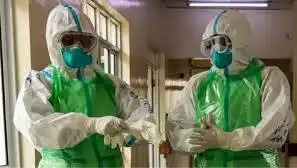

ABUJA — The Nigeria Centre for Disease Control and Prevention (NCDC) has officially completed the 21-day health monitoring period for all 62 individuals linked to the nation’s recent imported Ebola virus disease case. Health authorities confirmed that none of the monitored contacts developed the disease or showed secondary transmission, marking a major milestone in containment efforts.
Key Highlights of Nigeria’s Ebola Containment
- Zero Secondary Infections: All 62 identified contacts completed the mandatory 21-day monitoring window without falling ill.
- Symptomatic Checks Cleared: While 13 contacts reported mild, non-specific symptoms such as fevers during the period, subsequent laboratory testing confirmed all 13 tested negative for the virus.
- Nationwide Alerts Investigated: NCDC evaluated seven separate Ebola alerts across five different Nigerian states over the past three weeks; every test came back negative.
- WHO 42-Day Protocol: Despite the successful completion of contact monitoring, health officials stress that the threat is not yet entirely cleared. Under World Health Organization (WHO) protocols, a country must complete a full 42-day countdown from the departure or recovery of the last confirmed patient before an official, disease-free outbreak declaration can be issued.
Background on the Index Case
The health alert began on October 20, 2026, when Nigeria confirmed its first Ebola case in over a decade. The infection involved a Swiss woman who contracted the virus during a trip to Uganda before traveling back to Nigeria.
Swift medical evacuations were mobilized, transferring both the patient and her husband to Geneva University Hospitals in Switzerland. Following successful treatment, the patient achieved a full recovery and was discharged from the hospital.
While Nigerian health surveillance systems have successfully blocked any immediate spread, the NCDC remains on high alert as regional and international health agencies continue to monitor multi-country transmission trends.



 By