
ABUJA/NAIROBI — There was a time, not too long ago, when the wealth of an African community could be measured by the shade of its canopy. From the sprawling mango groves of West Africa to the towering palm and coconut trees of the coastal regions, “Green Gold” was the backbone of rural life.
But today, that canopy is thinning, and with it, the continent’s economic resilience. As old-growth economic trees are felled for timber or cleared for shortsighted development—without concerted efforts to replant—experts warn that Africa is losing more than just leaves; it is losing its financial future.
The Multi-Billion Dollar Price of Deforestation
The statistics are a wake-up call for policymakers. According to the World Bank, Africa currently spends an estimated $35 billion annually on food imports. A significant portion of this expenditure covers fruits and oils that were once produced in abundance within village squares.
The Food and Agriculture Organization (FAO) notes that trees on farms provide nearly 17% of total annual gross income for rural households. When a mango or palm tree is cut down and not replaced, a permanent “ATM” is essentially removed from the community.
“We are seeing a trend where the immediate need for wood or land is overriding the long-term wealth these trees provide,” says a representative from IATAFRICA INTERNATIONAL. “Back in the day, these trees were our hedges against poverty. Today, the ground is bare, and the people are worse off for it.”
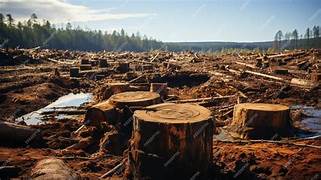
Beyond the Wallet: An Environmental Emergency
The crisis isn’t just financial; it’s ecological. The removal of these deep-rooted sentinels has left the landscape vulnerable.
- Erosion Control: Economic trees once acted as natural barriers. Without them, topsoil is washed away by increasingly erratic rains, ruining farmland.
- Carbon Sequestration: As global temperatures rise, the loss of millions of trees means less carbon is being “mopped up” from the atmosphere.
- Food Security: The “snack-on-the-go” nutrition that once kept malnutrition at bay for village children has vanished, replaced by expensive, processed imports.
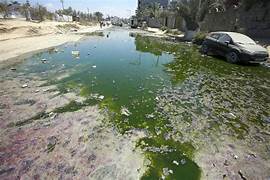
The Call to Action: IATAFRICA INTERNATIONAL’S Mission
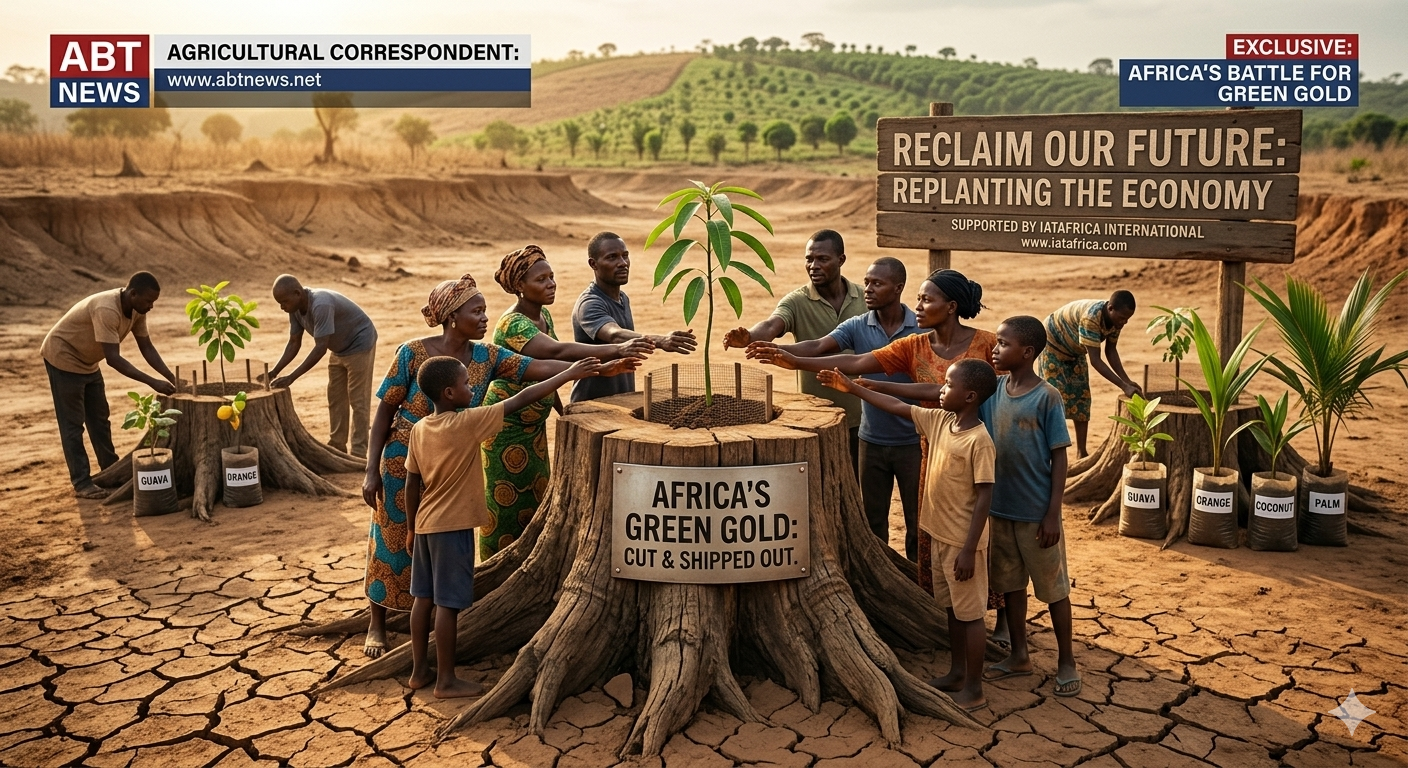
Recognizing this urgent gap, IATAFRICA INTERNATIONAL (www.iatafrica.com) has launched an aggressive sensitization campaign targeting African governments and local communities. Their message is clear: Tree planting is not a hobby; it is a critical macroeconomic strategy.
IATAFRICA is advocating for a “Replant to Reclaim” mindset—pushing for the systematic planting of:
- Fruit Trees: Mangoes, Guavas, Oranges, Apples, and Pears for immediate nutrition and local trade.
- Industrial Trees: Coconuts and Palm trees to revitalize the local oil and manufacturing sectors.
The organization is calling for a “concerted and progressive” effort to ensure that for every tree lost, ten more are planted. This is the only way to restore the environmental “hedge” and bring sustainable wealth back to the grassroots.
Get Involved
The time for talk has ended; the time for planting has begun. IATAFRICA INTERNATIONAL is currently seeking partnerships with government agencies, NGOs, and private investors to scale their tree-planting initiatives across the continent.
For all enquiries, partnerships, and consultancy services, please contact: 📧 Email: info@iatafrica.com
🌐 Web: www.iatafrica.com
Stay tuned to ABT NEWS for more updates on the agricultural revolution shaping the continent.


 By
By