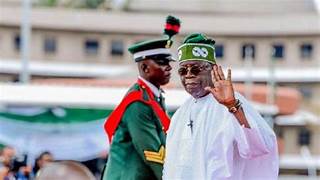

Washington Re-evaluates Nigeria’s Security Strategy Amid Unceasing Attacks
WASHINGTON — United States officials have reiterated grave concerns regarding the ongoing wave of violence targeting Christian communities in Nigeria, pointing to persistent security gaps despite prior diplomatic and enforcement measures.
During recent congressional oversight discussions, senior representatives and lawmakers highlighted that despite actions taken by the Nigerian government including the deployment of forest guards, increased police recruitment, and stepped-up prosecutions, vulnerable populations in the country’s volatile Middle Belt region remain at severe risk.
The Core of the Crisis: Middle Belt and Plateau State Under Siege
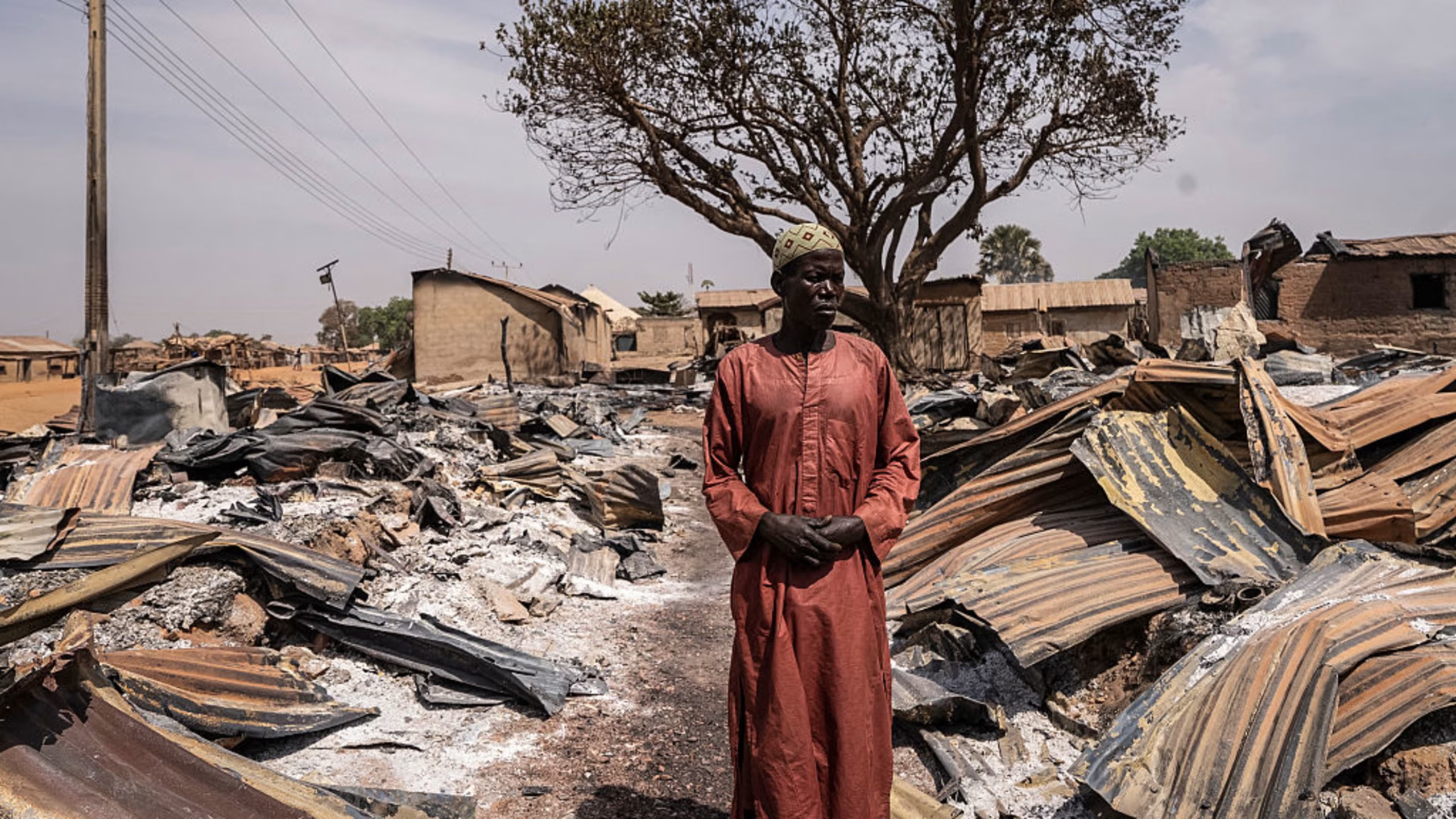
Lawmakers focused heavily on the sharp uptick in violence within Nigeria’s central Plateau State, where localized communal friction, ethnic tensions, and competition for scarce resources frequently intersect with extremist violence.
While the Nigerian government has maintained that insecurity affects populations across various faiths and backgrounds, international human rights monitors and US legislators point out that Christian communities continue to bear a disproportionate brunt of targeted assaults, mass abductions, and localized killings.
“What is the administration doing to ensure that the Nigerian government brings the fight directly to the militias where Christians are dying?” questioned congressional representatives during the recent hearings.
Implications for US-Nigeria Diplomatic Relations
The ongoing debate centers heavily on the impact of US designations and diplomatic pressure. While Washington has engaged with Nigerian security delegations—including talks led by National Security Adviser Nuhu Ribadu—legislators remain divided on whether current safeguards are sufficient or if harsher punitive measures should be maintained.
- Key Security Demands: Lawmakers are pressing the State Department to demand greater operational accountability from Nigerian security forces.
- The Policy Dilemma: While some human rights advocates call for strict international oversight, regional experts warn that heavy-handed foreign interventions risk undermining national sovereignty or exacerbating underlying ethnic divisions.
As oversight continues, the safety of religious minorities in West Africa’s most populous nation remains a critical flashpoint in international human rights diplomacy.


 By
 By