
ABT NEWS EXCLUSIVE REPORT
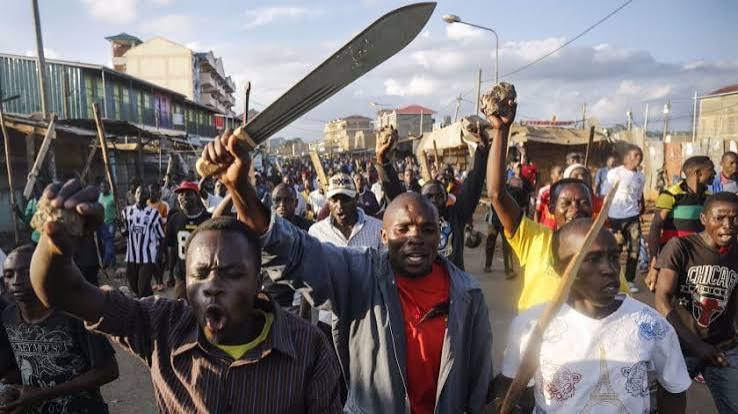
ABUJA, NIGERIA — As the march toward Nigeria’s general elections accelerates, an ominous shadow has settled over the nation’s political landscape. What should be an arena for the exchange of ideas, policy debates, and democratic choice has turned into a violent battleground. Prominent opposition figures, presidential aspirants, and political candidates across party lines face systemic intimidation, violent blockades, and armed ambushes.
Political thuggery, unleashed by power-drunk actors and state-aligned proxies, is threatening to strip citizens of their fundamental rights and subvert the democratic process before a single vote is cast.
A Chronicle of Intimidation: Candidates Under Siege
The pattern of political intolerance is widespread, mercilessly targeting key opposition leaders and their entourages:
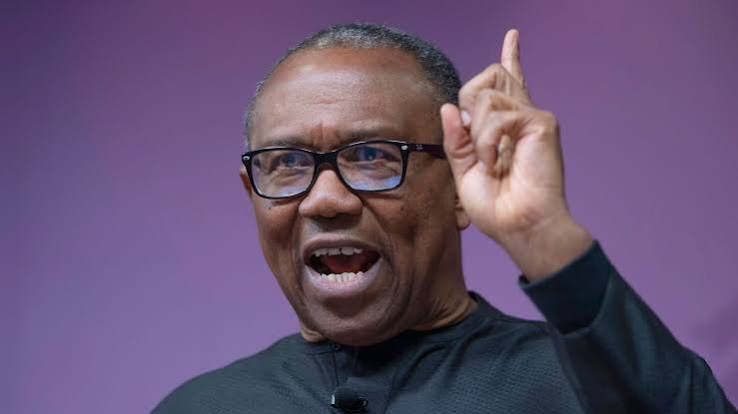
- Attacks on NDC presidential candidate Peter Obi and Opposition Leaders: In a high-profile incident in Benin City, Edo State, gunmen ambushed the convoy of Mr Peter Obi and chieftains of the Nigerian Democratic Congress (NDC). The violence spilled into the streets as armed thugs raided party offices and targeted leaders’ residences. Obi’s campaign trails and humanitarian visits have equally faced violent blockades in Benue, Cross River, Delta and surrounding regions.
- Disruption of Opposition Headquarters: Political rallies and consultative meetings held by opposition parties in states like Lagos, Cross River, Enugu and Kaduna have been violently disrupted by state-backed thugs, resulting in injuries and destruction of property.
- Lethal Political Thuggery: Beyond high-profile candidates, ordinary campaign workers, local organizers, and innocent bystanders have lost their lives in clashes engineered by political godfathers. Armed elements are routinely deployed to deny opponents physical access to public venues, airstrips, and campaign grounds. The lowest of the low was preventing Mr Peter Obi from having access to the victorious Flamingoes players who won the 2026 Under 16 FIFA world tournament.
This surge in political violence represents a dark chapter in Nigeria’s political history.
What Does Nigerian Law Say About Political Violence?
Nigeria’s legal framework contains strict provisions against political thuggery, violence, and intimidation:
1. The 1999 Constitution (as amended)
- Section 41: Guarantees every citizen the fundamental right to move freely throughout Nigeria and reside in any part thereof. Blocking candidates from entering states or towns to campaign directly violates this constitutional guarantee.
- Section 40: Guarantees the right to freedom of association and assembly.
2. The Electoral Act, 2022
- Section 93 & Section 96: Prohibits the use of force, violence, or intimidation during political campaigns.
- Penalties for Individuals: Any candidate or individual who aids, abets, or uses political thugs or carries offensive weapons at a political meeting/rally faces heavy fines and imprisonment ranging from 12 months to 3 years.
- Penalties for Political Parties: A political party that directly or indirectly employs violence or thuggery during a campaign is liable upon conviction to a fine of at least ₦2,000,000 in the first instance, with additional daily fines for continuing default.
The Legal Reality: The issue in Nigeria is rarely a lack of legislation; it is the impunity of the political class and selective enforcement by law enforcement agencies that allow political thugs to operate without consequence.
The Path Forward: How Nigeria Can Reclaim Its Democracy
To prevent the upcoming elections from descending into violence, decisive structural reform is required:
- Uncompromising Prosecution of Sponsors: Security agencies must target the elite sponsors and political godfathers who fund, arm, and instruct political thugs, rather than arresting only low-level perpetrators.
- Independent Electoral Offences Commission: Establish a dedicated tribunal to prosecute electoral offenders, taking this responsibility away from overloaded police forces and preventing political interference.
- Impartial Policing & Security Neutrality: Police leadership must strictly enforce neutrality. Security commanders who look the away or collude with incumbent state actors during political violence should face immediate dismissal and prosecution.
- Unified Inter-Party Peace Pacts: All political parties and presidential aspirants must move beyond symbolic gestures to sign—and actively enforce—enforceable non-violence codes of conduct down to the ward level.
- Electronic Result Transmission & Protection: Ensuring transparent digital election architecture reduces the incentive for politicians to use violent thuggery to hijack physical ballot boxes and collation centers.


 By