

MBABANE — The Southern African kingdom of Eswatini has mandated a 12-month grace period for foreign business owners to wind down operations, following a major crackdown on illegal foreign businesses and foreign-owned retail enterprises across the country.
Led by absolute monarch King Mswati III, Eswatini, formerly known as Swaziland, is enforcing the newly approved Citizen Economic Empowerment Act. The legislation aims to boost emaSwati economic participation, address high poverty rates, and protect local traders from aggressive foreign commercial competition in traditional retail sectors.
Key Highlights of the Foreign Business Crackdown
- 12-Month Grace Period: Parliament agreed to grant foreign business owners a 12-month timeframe to transition out, balancing immediate enforcement with operational succession.
- Targeted Closures: Inspections by the Trade Ministry have already led to the shutdown of non-compliant Asian-owned shops in areas like Mbabane and rural districts.
- Labor & Compliance Checks: Beyond ownership status, government inspections uncovered widespread violations regarding employee working conditions, overtime compensation, and annual leave.
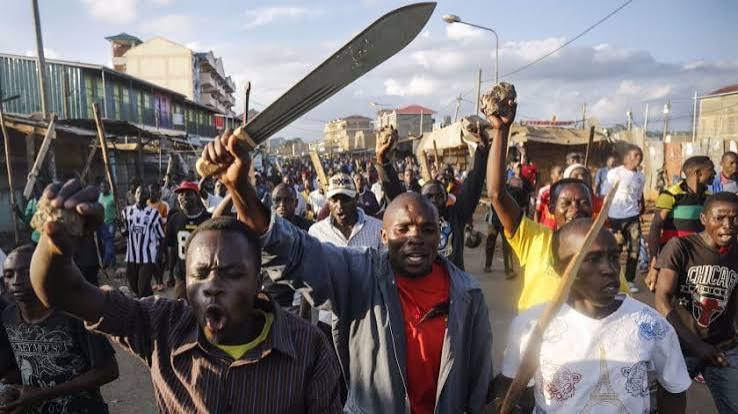
- Regional Trend: Eswatini’s measures reflect broader regional enforcement against unlicensed foreign traders across Southern and East Africa, including recent anti-migrant campaigns and raids in South Africa and Kenya.
Parliamentary Debate: Immediate Seizure vs. Structured Transition
The implementation of the Citizen Economic Empowerment Act ignited intense debate among Members of Parliament (MPs) regarding the speed of execution:
“Businesses owned by foreigners in the rural areas must be seized immediately. Why must we wait for three years while emaSwati suffer?”
— Tanele Magagula, Hhohho Regional MP
Conversely, Mbabane East MP Welcome Dlamini urged a more measured approach to safeguard local supply chains:
“Why can’t we give the Asians or foreigners at least three years before ‘kicking them’ out so that emaSwati can learn to run the businesses?”
— Welcome Dlamini, Mbabane East MP
While Parliament settled on a 12-month deadline, lawmakers emphasized that unless the statute is formally amended, the Trade Ministry maintains full legal authority to enforce immediate closures against non-compliant entities.
Economic Hardship and Political Context
Eswatini remains a small, landlocked nation where approximately 70% of the population lives below the poverty line. Escalating economic strain sparked widespread pro-democracy protests in 2021, with activists criticizing royal expenditure while many emaSwati workers rely on remittances from neighboring South Africa.
By expanding local business ownership and enforcing retail sector reserves, the Eswatini government hopes to stimulate domestic entrepreneurship and mitigate socioeconomic discontent.



 By