
ABU DHABI / MOSCOW — A wave of cautious optimism is rippling through diplomatic corridors following two days of direct, US-mediated peace talks between Russian and Ukrainian delegations in Abu Dhabi, the first trilateral negotiations between the warring nations in nine months.
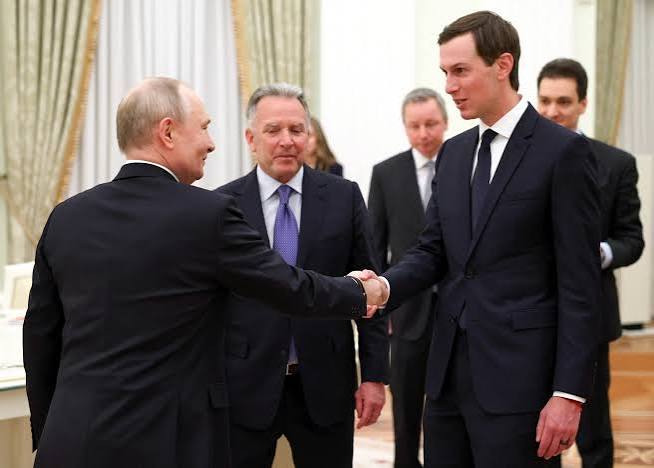
Capitalizing on rare diplomatic openings, United States special envoys Steve Witkoff and Jared Kushner arrived in Moscow on Thursday morning for high-stakes talks with Russian President Vladimir Putin.
Met on the snowy tarmac of Moscow’s Vnukovo Airport by Putin’s special envoy Kirill Dmitriev, the American delegation is leading an intensive shuttle-diplomacy push aimed at breaking the deadlock over the 4.5-year-old conflict. Following their Kremlin meeting, Witkoff and Kushner are scheduled to fly directly to Dublin, where European summits are underway, to brief Ukrainian President Volodymyr Zelenskyy.
Key Breakthroughs and Sticking Points in Abu Dhabi
The November 10–11 talks in the United Arab Emirates brought senior officials together under one roof, including Ukrainian representatives Rustem Umerov and Kyrylo Budanov alongside Russian negotiators. While Witkoff and Kushner acknowledged that deep mistrust still divides Moscow and Kyiv, the negotiations produced tangible momentum:
- Historic Prisoner Exchange: All three sides agreed in principle to execute what Kushner described as the “biggest” humanitarian prisoner-of-war swap of the conflict, with final numbers currently being locked in.
- Territorial Deadlock Over Donbas: Land remains the primary obstacle to a lasting ceasefire. Kyiv has firmly rejected Russian demands to surrender the remaining Ukrainian-controlled portions of the eastern Donbas region, insisting that a full ceasefire must precede any territorial discussions.
- Post-War Security Guarantees: With territorial talks stalled, US mediators pivoted toward post-war reconstruction and long-term security frameworks. Ukrainian officials have signaled a need for at least a decade of international financial backing to maintain an 800,000-strong defensive military force.
The Battle Over Europe’s Seat at the Table
A central objective of Witkoff and Kushner’s Kremlin visit is securing Putin’s approval to formally bring European leaders into the negotiating format. Officials from the United Kingdom, France, Germany, Italy, NATO, and the European Union gathered on the sidelines in Abu Dhabi, though they were excluded from the direct trilateral sessions.
President Zelenskyy has repeatedly insisted that European allies “must be represented” in any settlement affecting continental security, warning against backroom deals made without Kyiv’s European backers. Conversely, Moscow has pushed back against European involvement, arguing that EU nations have offered few concrete peace proposals while continuing to fund and arm Ukraine. However, Kremlin spokesman Dmitry Peskov left the door slightly ajar, noting European representatives could join at a later stage if their stance shifts toward facilitating peace.
Diplomacy Under Fire
Despite the diplomatic flurry in Abu Dhabi and Moscow, hostilities on the ground have not paused. Hours before the US envoys landed in the Russian capital, overnight drone and missile exchanges struck targets across the region—killing at least two people in Kyiv and Kherson and damaging energy infrastructure in western Ukraine, while Russian air defenses intercepted drones heading toward Moscow, Rostov, and Tula.
As Witkoff and Kushner step inside the Kremlin walls today, global observers are watching closely to see whether Washington’s shuttle diplomacy can turn a fragile humanitarian breakthrough into a genuine roadmap toward peace.
For continuous coverage of the Russia-Ukraine peace negotiations, global diplomacy, and breaking international news, stay tuned to ABT NEWS at www.abtnews.net.


 By