
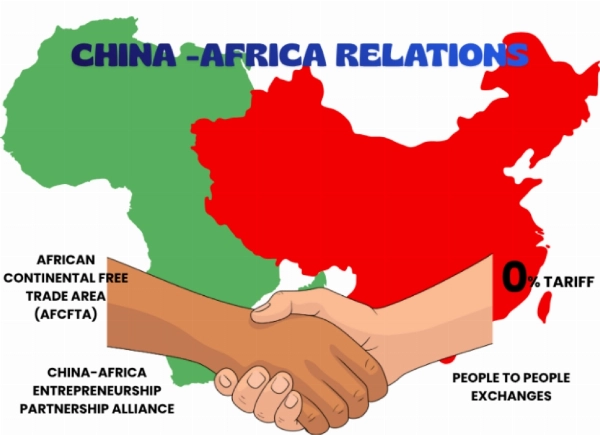

ABUJA, NIGERIA — In a landmark geopolitical shift reported today by the BBC, China has officially scrapped tariffs for 53 African nations, including Nigeria. Effective immediately, this unilateral zero-tariff treatment positions Beijing as a primary trade liberalizer in the region, creating a monumental but complex opportunity for the Nigerian economy.
As the continent grapples with a $102 billion trade deficit with China, ABT News appraises how Nigerian-based entrepreneurs and the Diaspora can leverage this policy to turn “raw material exports” into “value-added wealth.”
The Appraisal: Unlocking the Gates of the Red Dragon
The removal of tariffs is more than a diplomatic gesture; it is a structural invitation. For Nigeria, the most significant benefit lies in the removal of cost barriers for non-oil exports. However, as experts warn, “market access” is not the same as “market penetration.”
1. For Nigerian-Based Entrepreneurs:
The zero-tariff policy allows local producers to compete on price in the world’s largest consumer market. Small and Medium Enterprises (SMEs) that previously found Chinese import duties prohibitive can now re-evaluate their export margins.
2. For Diaspora-Based Nigerians:
The Diaspora serves as the “Knowledge Bridge.” Nigerians in the Diaspora, especially those in tech, logistics, and international trade, are uniquely positioned to provide the machinery, expertise, technical know-how, quality control standards, and “last-mile” marketing required to make Nigerian goods appealing to Chinese consumers.
Most Resourceful and Actionable Sectors
To move beyond the traditional export of crude oil and solid minerals, ABT News identifies the following sectors as the most actionable under the new zero-tariff regime:
- Agro-Processing (The “Green Gold”):China’s demand for avocados, macadamia nuts, sesame seeds, and hibiscus is surging. Nigerian entrepreneurs should pivot from exporting raw seeds to semi-processed or packaged goods.
- Actionable Step: Investing in solar-powered processing plants to meet international phytosanitary standards.
- Light Manufacturing & Leather Works:With Nigeria’s rich history in leather (Kano) and textiles, the zero-tariff policy makes it feasible to export finished leather goods and garments.
- Actionable Step: Diaspora-funded industrial clusters focused on high-end fashion and accessories for the Asian market.
- Tech-Enabled Logistics & Supply Chain:Trade requires transparency. There is a massive opportunity for tech entrepreneurs to build blockchain-based tracking systems that prove the “Origin of Goods,” a critical requirement for duty-free verification.
- Solid Minerals Refining:Rather than exporting raw lithium or coltan, there is a clear path for Diaspora investment in local refineries, ensuring that the “value-add” happens on Nigerian soil before it reaches Chinese ports.
The Strategic Imperative: Moving Up the Value Chain
The BBC report highlights a critical warning: African nations must avoid the trap of “raw material dependency.” To truly benefit, Nigeria must implement a robust Industrial Policy.
For the Nigerian Diaspora, this is a call to move capital from “real estate only” into “productive manufacturing.” By bringing technical expertise back home, the Diaspora can help local factories achieve the precision required for the Chinese market, turning the zero-tariff policy into a sustainable engine for jobs and Naira stability.
Join the Conversation
ABT News is committed to tracking the impact of this policy on the Nigerian business community. We want to hear from you: Is your business ready for the Chinese market? What structural hurdles (power, ports, or policy) are standing in your way?
All rejoinders, rebuttals, and enquiries should be sent to:
info@abtnews.net
By ABT NEWS DESK
www.abtnews.net


 By
By