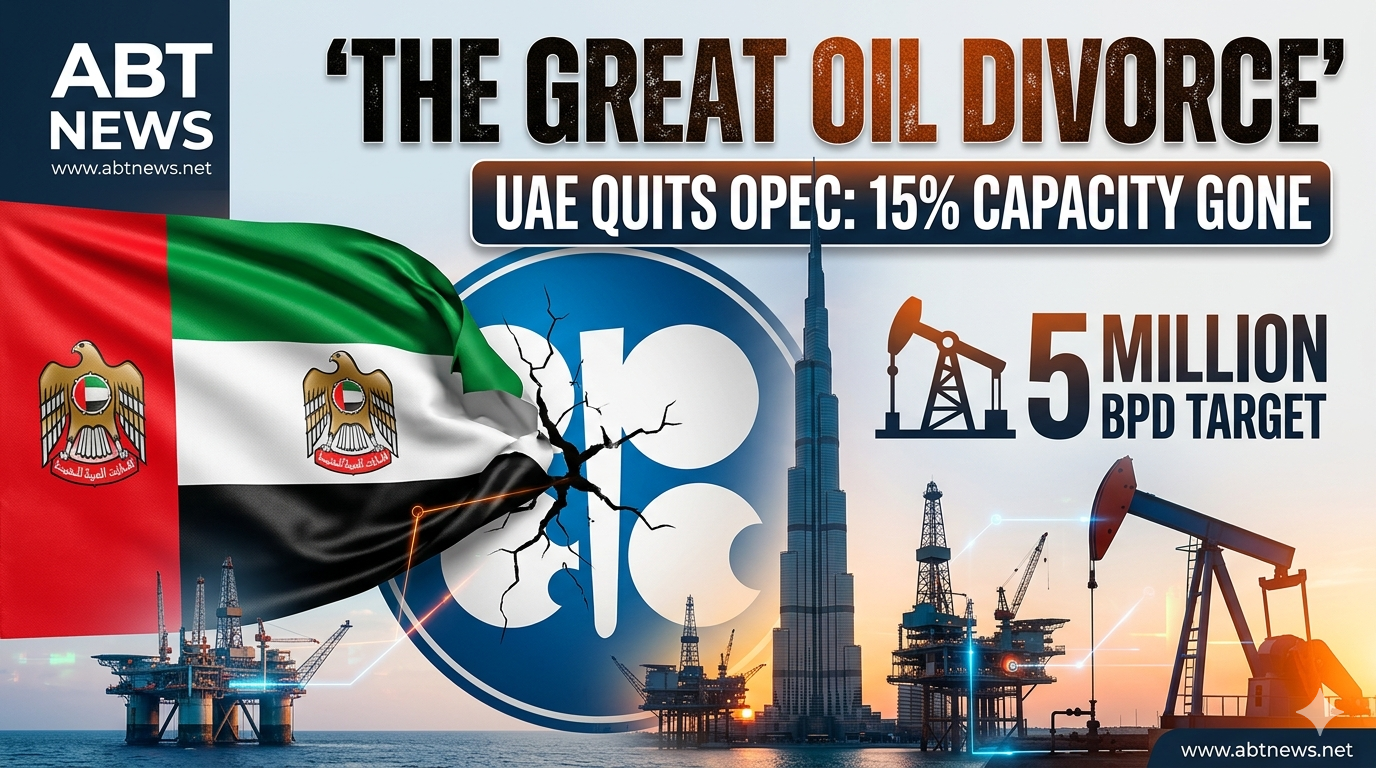

ABU DHABI — In a move that has sent shockwaves through the world and the global energy markets, the United Arab Emirates (UAE) has officially announced it is quitting OPEC and OPEC+, effective May 1, 2026. After 60 years of membership, the “quiet powerhouse” of the Middle East is cutting ties with the world’s most powerful oil cartel.
This isn’t just a policy shift; it is a seismic geopolitical divorce. Here is everything you need to know about why Abu Dhabi walked out, and why the “house that Saudi built” may never be the same.
The “Why”: National Interest Over Collective Sacrifice
The UAE’s departure isn’t a snap decision—it is the culmination of years of simmering frustration. While OPEC’s strategy revolves around cutting production to keep prices high, the UAE has been on a massive spending spree to increase its capacity.
- The 5-Million-Barrel Goal: The UAE has invested billions to reach a production capacity of 5 million barrels per day (bpd) by 2027. Under OPEC quotas, they were forbidden from actually using that capacity.
- The National Interest: Energy Minister Suhail Al Mazrouei was blunt: the move reflects a “long-term strategic and economic vision.” In short, the UAE is tired of leaving money on the table to balance the budgets of other nations.
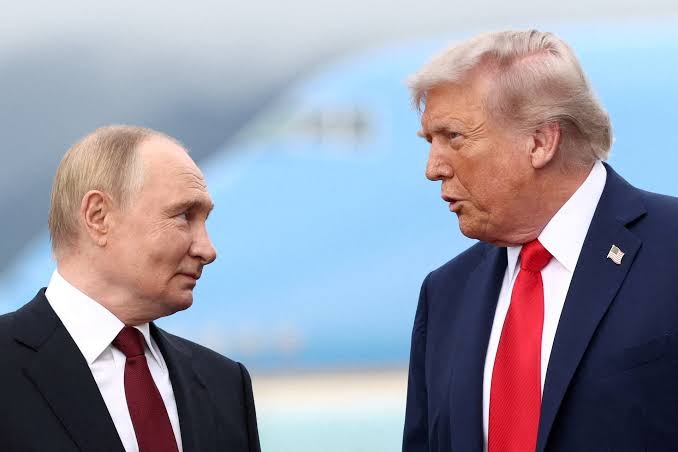
- The “Trump Factor”: The move is being hailed as a major win for the White House. President Trump has long criticized OPEC for “ripping off the world” with high prices. By leaving, the UAE can now pump more oil, potentially driving down global energy costs once the current shipping crises resolve.
The Saudi-UAE Friction: A Battle for the Future
For decades, Saudi Arabia and the UAE were the “dynamic duo” of the Gulf. That era is over. Under Crown Prince Mohammed bin Salman (MBS) and President Sheikh Mohamed bin Zayed (MBZ), the two nations have transitioned from allies to fierce economic competitors.
As Saudi Arabia pushes its “Vision 2030” to attract foreign investment and become a regional tech hub, it is stepping directly onto the UAE’s turf. The rivalry has moved from the boardroom to the oil fields. By exiting OPEC, the UAE has effectively stripped Saudi Arabia of its most reliable and wealthy partner, leaving Riyadh to do the “heavy lifting” of market management alone.
The “Hormuz Factor”: Warfare and Timing
The timing of the exit is no coincidence. With the ongoing Iran-Israel-US conflict choking the Strait of Hormuz, the global oil market is in a state of “energy shock.”
The UAE argues that the current volatility requires “faster, more flexible responses” that a slow-moving cartel cannot provide. By standing alone, Abu Dhabi can pivot its exports and pricing strategies in real-time as the war reshapes the map of the Middle East.
What This Means for the Future of OPEC
Analysts are already calling this “the beginning of the end” for OPEC. Here is what the future holds for the remaining members:
- A Structurally Weaker Cartel: The UAE represented roughly 15% of OPEC’s capacity. Losing them diminishes the group’s ability to “scare” the market into high prices.
- The Dominos May Fall: All eyes are now on Kuwait and Iraq. If the UAE succeeds in gaining market share and growing its economy outside the cartel, other members may decide that the “membership fee” of restricted production is too high to pay.
- Increased Volatility: Without the UAE to help stabilize supply, oil prices are likely to become more erratic. In the long term, more oil on the market means lower prices for consumers, but for oil-dependent nations like Nigeria, Libya, and Venezuela, it could mean a devastating loss in revenue.
The Bottom Line
The UAE has decided that its future lies in being a global, diversified energy powerhouse rather than a member of a 1960s-era price club. They have chosen flexibility over stability, and market share over quotas.
As the Strait of Hormuz remains a flashpoint and the world watches the price of Brent Crude, one thing is certain: the era of “unified” Gulf oil policy is dead.
The world’s third-largest producer just went rogue. OPEC, your move.
Stay updated on the global energy shift at www.abtnews.net.


 By
By