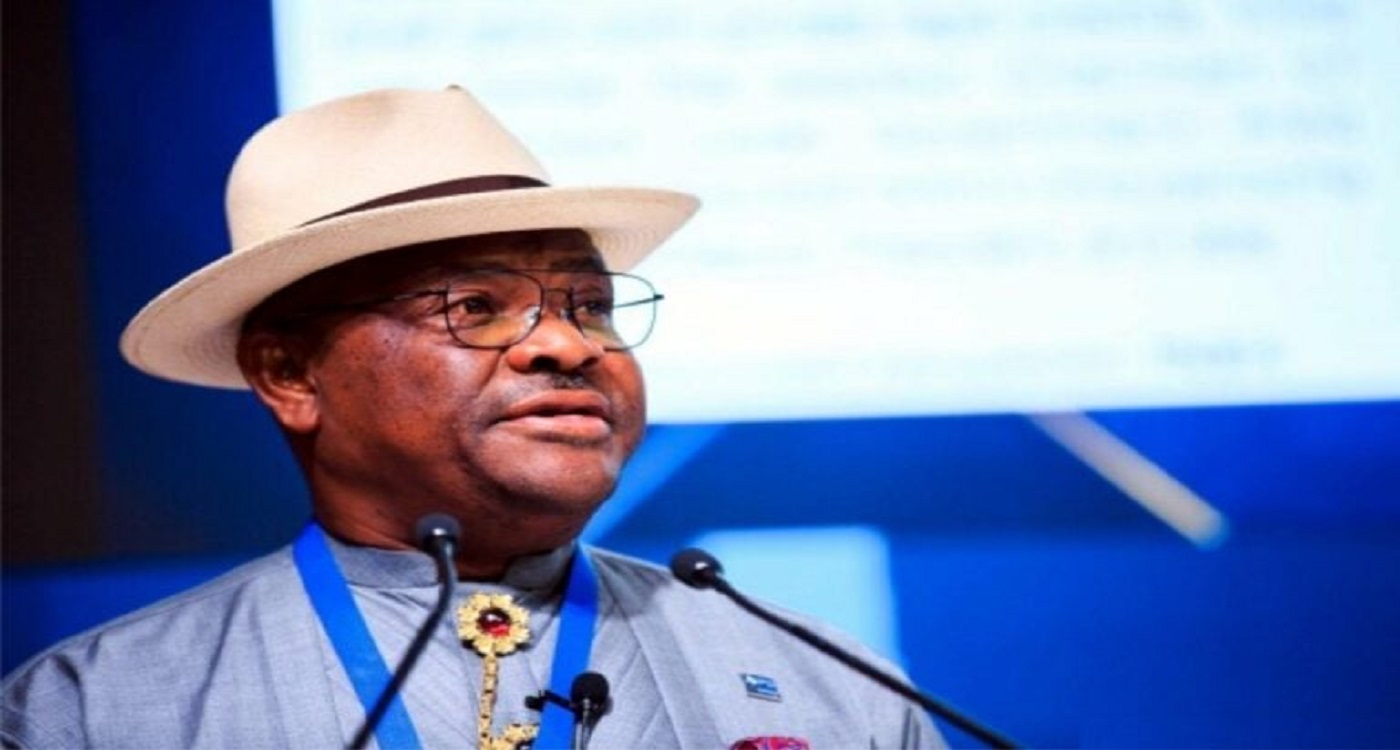

The Minister of the Federal Capital Territory, Nyesom Wike, has attempted to clarify his controversial remark directed at Channels TV news anchor Seun Okinbaloye, following widespread criticism from the media, political figures, and the public. Speaking on News Central on Monday, Wike described his earlier statement as a mere figure of speech, reflecting personal frustration rather than a genuine threat.
“It’s really unfortunate, you know, in Nigeria people blow everything out of context, particularly playing politics with everything. Anybody who knows my relationship with Seun will not begin to rant,” Wike said. He emphasized that he had personally spoken to Okinbaloye and that the journalist “understands everything,” dismissing the notion of lingering tension between them.
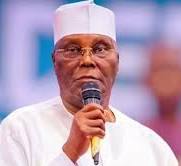
The backlash followed a heated interview in which Okinbaloye discussed the potential risks of a one-party system for Nigeria’s democracy. In response, Wike had said he would have “broken his TV screen and shot” the journalist—a comment that quickly drew condemnation. Former Vice President Atiku Abubakar and the African Democratic Congress publicly criticized the remark, framing it as unacceptable political rhetoric that could threaten media freedom in Nigeria.
This incident raises broader questions about the responsibility of public officials when communicating with the media, the state of press freedom in Nigeria, and the growing impact of political language in shaping public discourse. While Wike’s clarification frames the statement as metaphorical, analysts argue that such remarks, especially from high-ranking government officials, can undermine public trust and create a chilling effect on journalists.
Experts in media law note that public figures carry a heightened responsibility to engage in civil discourse, particularly when addressing critical institutions such as news outlets. “Even when intended figuratively, aggressive language directed at journalists can be perceived as threatening and can influence the broader media environment,” said a political communications analyst in Abuja. “It also opens the door to politicized interpretations that can exacerbate tensions between the government and the press.”
The Wike-Okinbaloye episode also highlights the fine line between political frustration and accountability. Interviews, especially those addressing sensitive topics like democracy and governance, often test the patience of public officials. However, public perception matters: statements perceived as threats, even in jest, can attract widespread condemnation, diminish credibility, and fuel opposition narratives.
Furthermore, the response from political leaders, such as Atiku Abubakar, underscores the broader national debate about the limits of political expression. “Leaders must recognize that in a democracy, words carry weight, particularly when directed at journalists whose role is to hold power accountable,” said a political commentator. The ADC’s reaction adds another layer, illustrating how opposition parties use such incidents to call for responsible governance and adherence to democratic norms.
Media analysts also argue that incidents like this underscore the importance of context in political communication. Wike’s clarification that the statement was a figure of speech may mitigate some public concern, but the initial impact remains significant. In the digital age, news spreads quickly, and controversial statements are often amplified beyond their original context, sometimes overshadowing clarifications and apologies.
This event also invites reflection on the relationship between Nigerian politicians and the press. Maintaining a balance between freedom of expression and accountability is crucial for democracy. While journalists are expected to ask probing questions, officials are expected to respond professionally, even when faced with critical commentary. Missteps in this delicate relationship can escalate tensions, reduce constructive dialogue, and affect the overall political climate.
From a governance perspective, Wike’s attempt at clarification signals awareness of public sentiment and the potential political cost of incendiary language. It is a reminder that public officials operate under intense scrutiny, and the way they address the media can have far-reaching implications, including influencing voter perceptions and shaping the national conversation on political conduct.
In conclusion, the Wike-Okinbaloye controversy serves as a cautionary tale for politicians, highlighting the need for measured communication in a highly charged media environment. While Wike has reassured the public and the journalist that no personal animosity exists, the incident continues to provoke discussion about media freedom, political rhetoric, and the ethical responsibilities of public office holders in Nigeria.
As Nigeria approaches critical electoral cycles, incidents like these reinforce the importance of civil discourse and respect for journalistic independence, reminding both leaders and citizens that words carry consequences in shaping democratic culture and public trust.


 By
By