
LAGOS — In the high-stakes game of global geopolitics, there is a dangerous myth circulating in the markets of Mushin and the offices of Abuja: the idea that Nigeria is an “island” immune to the fires currently burning in the Middle East.
As we move through April 2026, the conflict surrounding the Strait of Hormuz feels worlds away. Yet, while not a single Nigerian ship may ever touch those contested waters, the “economic splash” from that narrow passage is hitting the Gulf of Guinea with the force of a tidal wave.
If you’ve wondered why your fuel, food, and cooking gas prices are climbing despite our local refineries working overtime, here is the cold, hard reality of how the Iran war is hitting your pocket so mercilessly.
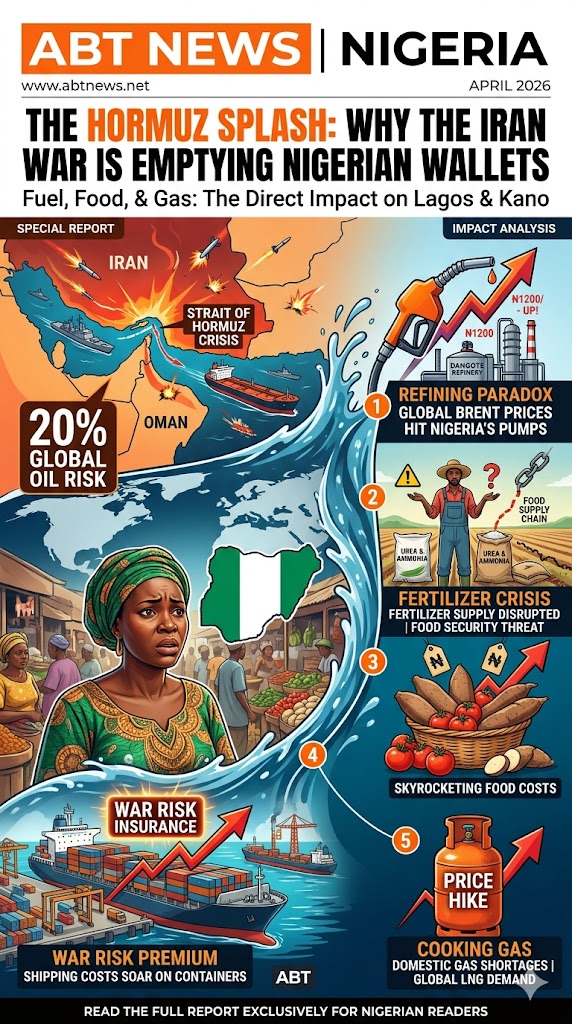
1. The Refining Paradox: Why “Made in Nigeria” Isn’t “Cheap in Nigeria”
With the Dangote Refinery and others operating at high capacity, many expected fuel prices to drop regardless of global chaos. However, oil doesn’t work that way.
- The Brent Benchmark: Crude oil is a global citizen. Even if we refine our own “sweet crude,” the price is pegged to international benchmarks like Brent. When 20% of the world’s oil is threatened in the Strait of Hormuz, Brent prices skyrocket. Local refineries must pay this “world price” to stay in business, meaning the pump price in Lagos mirrors the panic in the Persian Gulf.
- The Dollar Tug-of-War: The government is caught in a trap. Higher global prices make exporting crude incredibly tempting because Nigeria desperately needs US Dollars to stabilize the Naira. This creates a “tug-of-war” where domestic supply can become tight—and expensive—as the world outbids us for our own resources.
2. The “Invisible” Link to Your Kitchen Table
You might not buy Iranian bread, but you are buying “Hormuz-affected” yams and garri.
- The Fertilizer Crisis: The Strait of Hormuz is the jugular vein for the global fertilizer trade—specifically urea and ammonia. About 30% of this trade passes through that narrow gap.
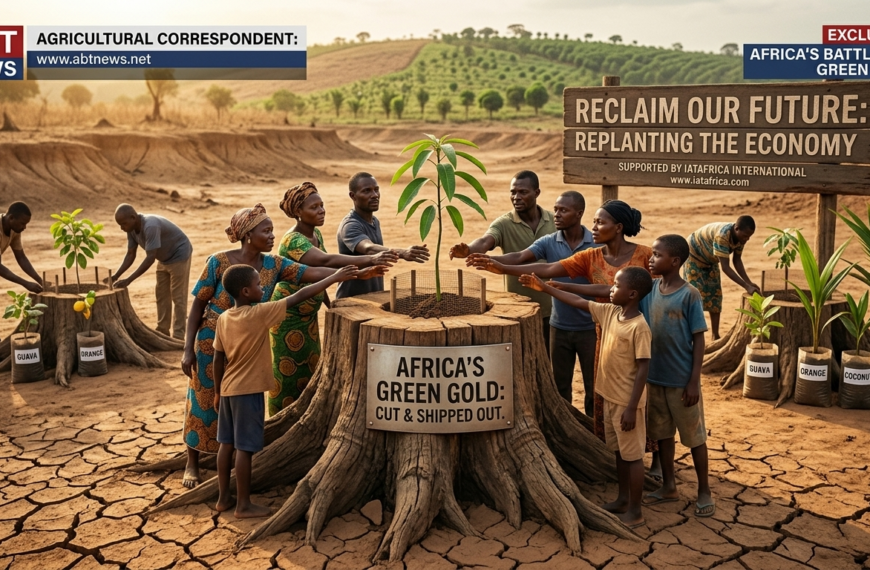
- Farming Hits: Nigerian farmers rely on these chemicals to grow the crops that feed the nation. With the conflict disrupting supply lines, fertilizer prices have soared. Even if we import wheat from Europe, the cost of growing food locally has jumped, meaning that “locally grown” label no longer guarantees a lower price.
3. The “War Risk” Tax on Every Container
You don’t have to be in a war zone to pay for one. Since the strikes intensified in February 2026, maritime insurance companies have introduced massive “War Risk” premiums.
Every ship bringing frozen fish, second-hand cars, or electronics from Europe to the ports of Apapa or Onne is now paying more for insurance and security. These companies aren’t absorbing those costs—they are passing them directly to you, the Nigerian consumer.
“Even ships bringing frozen fish or electronics from Europe to Lagos are seeing higher operational costs… These costs are passed directly to the Nigerian consumer.”
4. The LNG Irony: Nigeria’s Gain is the Local’s Pain
On paper, the conflict should be a win for Nigeria’s gas sector. With Qatar’s Liquefied Natural Gas (LNG) trapped behind a blockade, the world is begging Nigeria for gas.
However, this global demand creates a domestic disaster. As Nigerian gas producers prioritize lucrative foreign contracts to bring in foreign exchange, the local supply of Cooking Gas (LPG) thins out. The result? You pay more to fill your cylinder at home because the world is willing to pay a premium for what’s under our feet.
The Bottom Line
The world in 2026 is too connected for “neutrality” to mean “immunity.” From the fertilizer in our soil to the fuel in our tanks, Nigeria is inextricably linked to the Strait of Hormuz. Understanding this isn’t just about global news—it’s about understanding why your cost of living is changing and how we, as a nation, must navigate these turbulent waters.
Stay tuned to ABT NEWS by visiting www.abtnews.net for more updates on how global shifts affect your local life.


 By
By