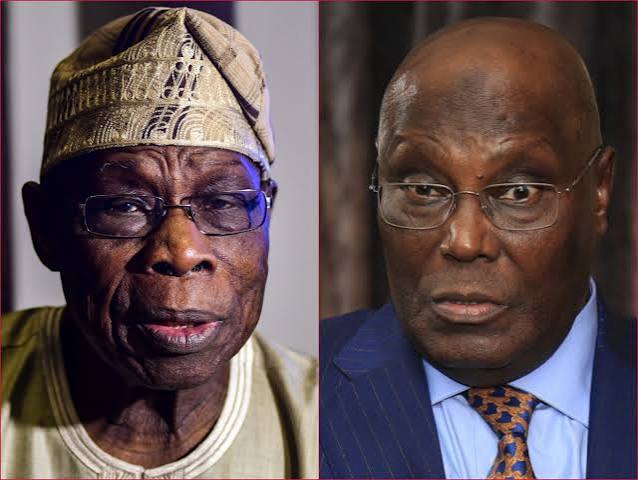

ABUJA — The decades-long political rivalry between former President Olusegun Obasanjo and his erstwhile Vice President, Atiku Abubakar, has erupted once again into a bitter public war of words. The renewed clash underscores the deep-seated animosity between the two former allies, raising questions about whether their fractured relationship can ever be repaired.
The latest spat was ignited when former President Obasanjo publicly described his decision to select Atiku as his running mate in the 1999 presidential election as the “biggest mistake” of his presidency. Speaking at the public presentation of veteran entertainer Charly Boy’s memoir in Lagos, Obasanjo accused his former deputy of disloyalty and alleged involvement in an impeachment attempt against him during their time in office. The former President thundered that he would never have chosen Atiku had he known what he later discovered!
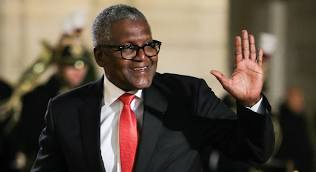
In a blistering and swift rebuttal, Atiku Abubakar, who is currently the presidential candidate of the African Democratic Congress (ADC) ahead of the 2027 elections, dismissed his former boss’s claims as an attempt to rewrite history for political advantage.
Atiku launched a scathing attack on Obasanjo’s political weight, outrightly dismissing his electoral influence. “In 1999, he could not even win his own state or the South-West; it was Arewa that made him President. He possesses no electoral value,” Atiku told journalists on Wednesday, according to the Nigerian Tribune.
From Allies to Sworn Enemies: What Went Wrong?
The relationship between Obasanjo and Atiku was not always characterized by such venom. In 1999, they formed a formidable ticket that ushered in Nigeria’s Fourth Republic, with Atiku leveraging his immense political network built from the legacy of the late Shehu Musa Yar’Adua to secure victory. Atiku fiercely defended this history, noting that he stood by Obasanjo following his release from prison and played a pivotal role in building the political structure that propelled them to the Aso Rock Villa.
However, the alliance quickly soured during their second term in office. The root of their bitter enmity is widely traced back to Obasanjo’s alleged pursuit of a controversial “Third Term” agenda, a move Atiku fiercely opposed and actively worked to thwart. The fallout culminated in a dramatic political divorce ahead of the 2007 elections, with Atiku eventually leaving the ruling People’s Democratic Party (PDP) at the time to contest the presidency under the Action Congress (AC), while Obasanjo relentlessly sought to block his ambitions.
Since then, the two elder statesmen have been locked in a cycle of temporary truces and explosive public confrontations. They frequently bash each other, trading accusations of corruption, betrayal, and political sabotage.
Looking Ahead to 2027
Amidst the ongoing feud, Atiku is pressing forward with his 2027 presidential aspirations. Having recently joined forces with other opposition figures under the ADC platform, Atiku is pivoting his message toward the younger demographic.
He highlighted his track record of creating opportunities for young Nigerians during his tenure as Vice President, pointing out that many of his beneficiaries have gone on to become governors, ministers, and directors. If elected in 2027, Atiku has promised to double down on these efforts, focusing heavily on youth empowerment and job creation.
Can the Rift Ever Be Resolved?
Political observers remain skeptical about the possibility of a permanent reconciliation between the two giants of Nigerian politics. While they have historically managed to broker fragile, short-lived truces, most notably ahead of the 2019 elections when Obasanjo briefly endorsed Atiku, the fundamental lack of trust and lingering resentments continually resurface.
As Nigeria gears up for the 2027 general elections, this latest clash suggests that the Obasanjo-Atiku rivalry is far from over. Instead of fading into the background of Nigerian political history, the bad blood between the former allies continues to boil, setting the stage for more dramatic confrontations in the years to come.

 By
By