

NEW YORK (ABT News) — In the years leading up to the 2008 global financial meltdown, Wall Street’s biggest banks were convinced that U.S. home prices could never fall nationwide. When hedge fund manager John Paulson argued otherwise, banking veterans dismissed him as misguided.
By the time the dust settled in 2008, those same institutions were begging for federal bailouts—and Paulson had executed what remains one of the most lucrative trades in financial history, walking away with $6 billion personally.
Betting Against the “Unbreakable” Housing Market
During the mid-2000s, major investment banks poured billions of dollars into subprime mortgages and complex financial instruments known as mortgage-backed securities (MBS) and collateralized debt obligations (CDOs). Conventional wisdom on Wall Street held that diversified bundles of home loans were virtually risk-free.
Paulson, founder of Paulson & Co., looked closer at the underlying data and saw a ticking time bomb:
- Predatory and loose lending: Millions of borrowers with weak credit were taking on adjustable-rate mortgages they could not afford once teaser rates expired.
- Systemic leverage: Major banks were heavily over-leveraged on housing debt with minimal cash reserves to absorb defaults.
- Mispriced risk: Credit default swaps (CDS)—essentially insurance policies against mortgage defaults—were dirt cheap because almost no one believed the housing market would crash.
While rival fund managers and banking executives mocked his thesis, Paulson quietly amassed a massive short position using credit default swaps, betting that subprime mortgage bonds would collapse in value.
A $20 Billion Windfall Amid Nationwide Foreclosures
For months, the trade bled money as housing prices continued to climb. Investors grew nervous, and skeptics doubled down on their criticism. Paulson held firm.
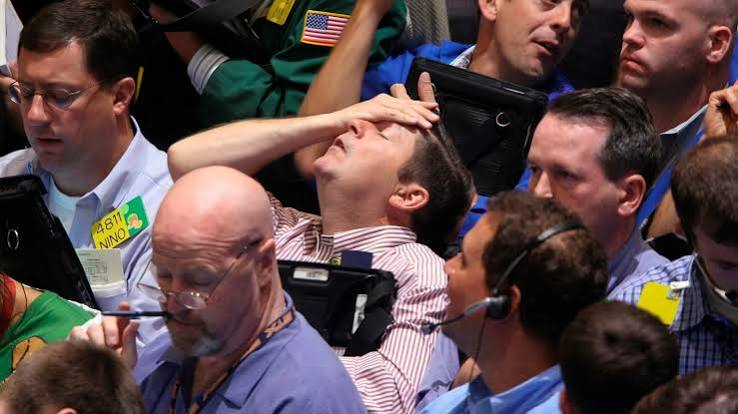
When delinquency rates surged in 2007 and triggered the full-blown 2008 financial crisis, the value of mortgage-backed securities plummeted. Lehman Brothers collapsed, Bear Stearns was sold off, and global credit markets froze.
Paulson & Co.’s funds skyrocketed, generating approximately $20 billion in profits—including a $6 billion personal payday for Paulson himself. Meanwhile, the fallout devastated everyday Americans: millions of families lost their homes to foreclosure, retirement accounts were wiped out, and unemployment surged to levels not seen since the Great Depression.
Is Another Financial Crisis Imminent?
Paulson’s contrarian bet raises an urgent question for today’s investors: Are the warning signs of another major financial crisis flashing again?
While modern banking regulations have forced large institutions to hold higher capital reserves than they did in 2007, economists point to new areas of systemic vulnerability:
- Commercial Real Estate (CRE) Debt: High interest rates and remote-work trends have left office buildings across major cities deeply undervalued, threatening regional banks holding billions in maturing commercial loans.
- Ballooning Sovereign and Corporate Debt: Global debt levels sit at record highs, leaving governments and heavily leveraged corporations vulnerable if borrowing costs remain elevated.
- Private Credit and Shadow Banking: Trillions of dollars in lending have shifted outside traditional banks into less-regulated private credit funds, where transparency is limited.
- Asset Concentration: Heavy investor concentration in a small handful of mega-cap tech and AI stocks creates the risk of sharp market contagion if earnings disappoint.
Who Stands to Benefit If the Market Breaks?
History shows that financial crises do not destroy wealth—they transfer it. If a severe downturn strikes, several groups stand positioned to profit:
- Contrarian Hedge Funds & Short Sellers: Funds holding credit default swaps, put options, or short positions on over-leveraged sectors stand to reap outsized gains when asset bubbles burst.
- Cash-Rich Institutional Buyers: Private equity giants and sovereign wealth funds sitting on “dry powder” can acquire distressed real estate, struggling companies, and discounted debt for pennies on the dollar.
- Safe-Haven Asset Holders: Investors positioned in physical gold, short-term U.S. Treasuries, and defensive cash equivalents historically preserve purchasing power while equities tumble.
For everyday households, however, the lesson of 2008 remains sobering: when Wall Street’s riskiest bets unwind, Main Street usually pays the highest price.



 By




 By