
By ABT NEWS EXCLUSIVE | www.abtnews.net
Life today offers more convenience than ever before. We can find answers in seconds, scroll endlessly through social media feeds, and make countless decisions without giving them much thought. But there is a hidden downside to this extreme comfort.
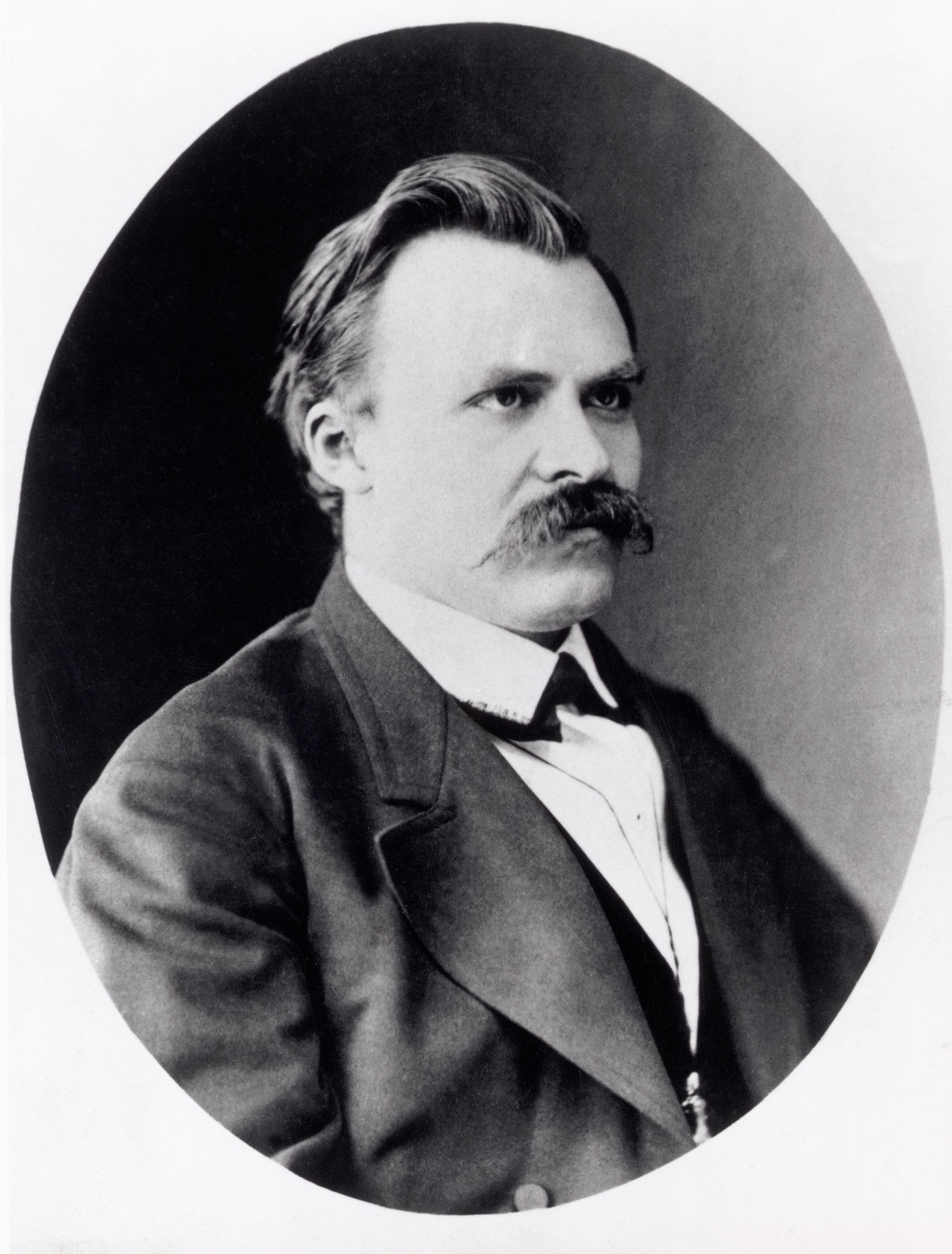
Many people instinctively choose the easiest solution, avoid uncomfortable conversations, and blindly follow what everyone else is doing instead of thinking independently. This deeply ingrained human tendency is exactly what 19th-century German philosopher Friedrich Nietzsche warned us about.
The Pattern of the “Ordinary”
If you want to understand the modern workplace, societal trends, or even your own daily habits, one striking observation often attributed to Nietzsche serves as the ultimate cheat code:
“To predict the behavior of ordinary people in advance, you only have to assume that they will always try to escape a disagreeable situation with the smallest possible expenditure of intelligence.”
At its core, this quote explores how people respond when faced with difficult situations. Nietzsche suggests that when the going gets tough, many individuals naturally look for the quickest escape hatch rather than carefully thinking through a problem. Instead of questioning assumptions or examining uncomfortable truths, the default human setting is to choose whatever requires the least mental effort.
The Danger of the “Herd Mentality”
This doesn’t mean people lack intelligence. Rather, Nietzsche believed that human beings simply prefer convenience over critical thinking. Independent thought demands time, patience, and sometimes the courage to disagree with the majority. Most people would simply rather avoid that social and mental friction.
While historians note this exact quote is a popular summation of his broader writings rather than a single published line, it perfectly mirrors his philosophy. In his essay Schopenhauer as Educator, Nietzsche argued that many people live like members of a herd, prioritizing comfort and social acceptance over independent thinking.
He further warned against this in Thus Spoke Zarathustra, introducing the concept of the “Last Man”—a symbolic figure who avoids risk, discomfort, and ambition in favor of an easy, predictable life. For Nietzsche, this represented a society that chooses convenience at the ultimate cost of its own growth.
4 Life Lessons to Break the Pattern
Nietzsche’s observations are more relevant today than ever. How can we break free from the “herd mentality” and avoid taking the path of least intellectual resistance? Here are four takeaways:
- Don’t always choose the easiest answer: The quickest solution is rarely the best one. Taking the time to pause and think critically almost always leads to better, more sustainable decisions.
- Question popular opinions: Following the crowd might feel safe, but independent thinking helps you develop stronger judgment and unshakable confidence.
- Embrace uncomfortable conversations: Growth begins the moment we face situations we would rather avoid. Don’t look for an easy escape when friction arises.
- Train your mind regularly: Reading, learning, and reflecting are the weights you lift to develop your critical thinking. The more you train, the easier it becomes to rely on your intelligence rather than your instincts for comfort.
In a world engineered to make everything easy, choosing to think deeply is the ultimate act of rebellion.
Stay informed and stay sharp with ABT NEWS—bringing you the stories and insights that matter.



 By