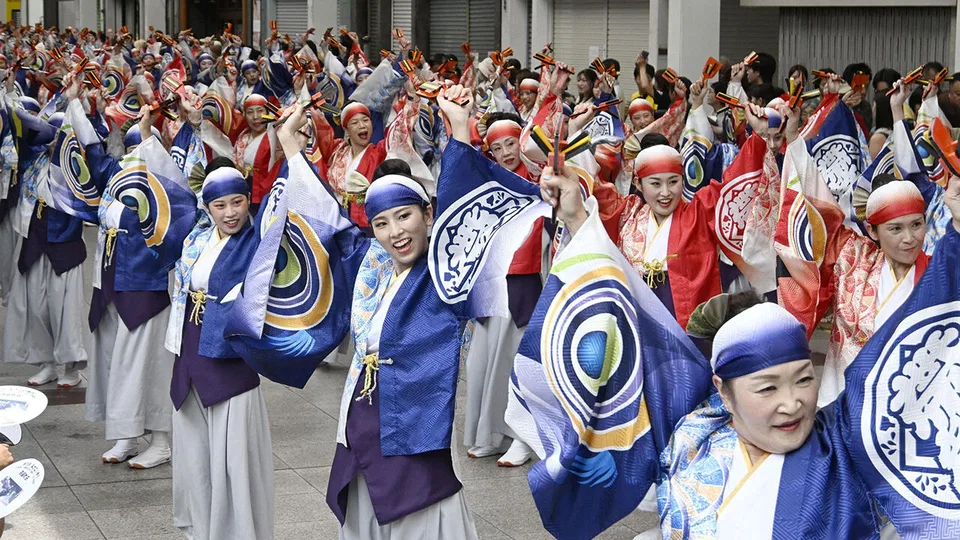

Nestled along the rugged southern coast of Shikoku island lies Susaki, a picturesque Japanese fishing town famous for its steaming clay-pot nabeyaki ramen, fresh Pacific seafood, and Shinjo-kun—an adorable local otter mascot sporting a noodle bowl on his head. But beyond the culinary comfort and whimsical mascots, Susaki and the wider Kochi Prefecture (historically known as Tosa Province) harbor a much fiercer cultural icon.
Meet the hachikin: spirited, fiercely independent, and hard-working women with a legendary reputation for outdoing men.
Derived from the colorful local Tosa dialect, the term carries an etymology as bold as the women it describes. According to popular regional lore, the word fuses hachi (eight) with kintama (testicles)—implying that a true hachikin possesses the metaphorical “cojones” of four ordinary men.
Rooted in Geography and Resilience
Why does this coastal Japanese region foster such a distinct breed of unyielding women? Historians and sociologists point to Kochi’s unique geographic isolation. Hemmed in by the towering Shikoku mountain range and battered by seasonal Pacific typhoons, early Tosa communities had to rely heavily on self-sufficiency.
While men historically faced grueling maritime labor or political uprisings, women managed the households, fields, and local commerce with absolute authority. In Kochi tradition, men are often labeled igosso (stubborn, eccentric, and proud), while women are the hachikin—fearless counterparts who drink as much sake, debate with equal fervor, and refuse to bow to archaic social constraints.
Historical Icons: Breaking the Mold
The hachikin spirit isn’t just a quirky folk idiom; it is deeply embedded in Japanese history. Two iconic figures from Kochi embody this fearless archetype:
- Sakamoto Otome: The older sister of the legendary Meiji-era revolutionary Sakamoto Ryoma, Otome was renowned for her towering physical stature, mastery of martial arts and swordsmanship, and her preference for scholarly pursuits over traditional domestic chores. She famously whipped her famous brother into shape, molding him into a historic visionary.
- Kusunose Kita: A pioneering Meiji-period activist often dubbed the “Civil Rights Grandma”. Widowed and managing her household taxes independently, Kita fought fiercely against taxation without representation, organizing a historic movement demanding women’s voting rights decades ahead of national suffrage.
Modern Realities: Hard Work, Sake, and Independence
Data and modern Japanese social trends suggest the hachikin ethos is alive and well today:
- Higher Workforce Participation: While Japan’s national average for working women has historically hovered lower, Kochi boasts remarkably high rates of female entrepreneurship, business ownership, and workforce engagement.
- The Legend of Kochi’s Drinking Culture: Kochi is nationally famous for its intense drinking games and vibrant banquets like Okyaku. Local lore dictates that a true hachikin can out-drink almost anyone in the room, holding court late into the night at bustling social hubs like Kochi City’s Hirome Market.
- Self-Reliance in Marriage: Local statistics note that Kochi women maintain a high threshold for autonomy, often taking the lead in major household and lifestyle decisions.
Far from being a derogatory remark, being called a hachikin in Kochi is a badge of ultimate respect. It celebrates a culture where women refuse to be sidelined, proving that strength, grit, and a sharp wit belong to anyone willing to claim them.



 By