


Have you ever felt completely alone, even when standing in a room full of people? It’s a strange, heavy feeling: having friends, family, and constant conversations, yet still feeling profoundly disconnected from everyone around you.
If this resonates with you, you aren’t alone. In fact, one of history’s greatest minds had a theory about exactly why this happens.
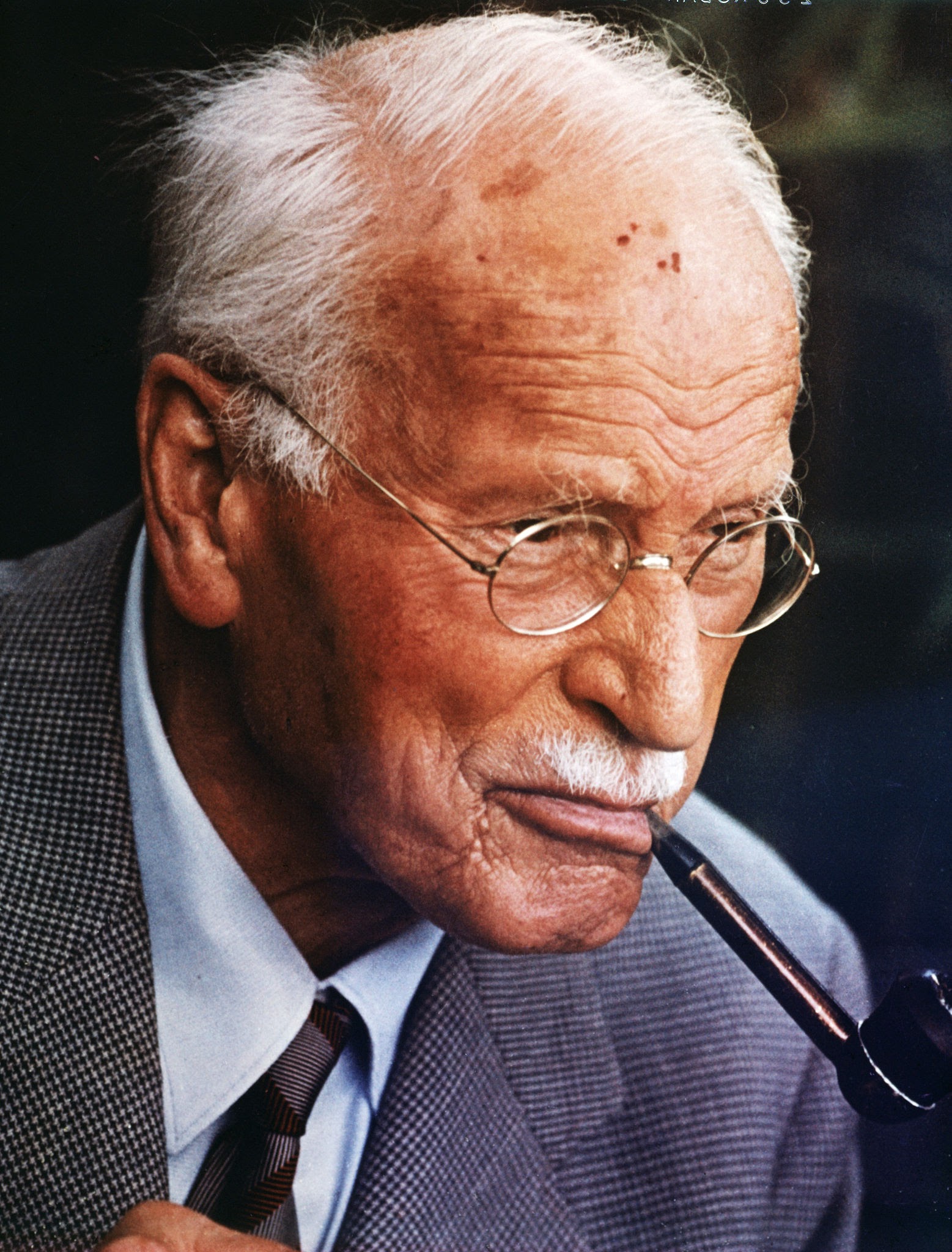
In his autobiographical book Memories, Dreams, Reflections, the legendary Swiss psychiatrist and psychoanalyst Carl Jung wrote a line that perfectly captures this phenomenon:
“If a man knows more than others, he becomes lonely.”
The Invisible Barrier of Awareness
Jung wasn’t just talking about academic intelligence or having a high IQ. He was pointing to a deeper kind of awareness—the ability to observe human behavior closely, question societal norms, and look beyond the obvious.
When your understanding of life grows deeper than those around you, an invisible barrier can form. You might start noticing hidden patterns or questioning assumptions that everyone else simply accepts. The difficulty begins when you try to share these insights. You might struggle to find the right words, or worse, you might find that others simply don’t care about the questions you find deeply important.
Over time, this communication gap can cause you to retreat. Anticipating confusion or dismissal, you might stop trying to share your authentic inner world altogether. You blend in, but psychologically, you are isolated.
Solitude vs. Loneliness
To understand Jung’s lesson, we have to separate being alone from feeling lonely.
Solitude is a choice. It’s the peaceful act of stepping away from the noise to read, think, or recharge. Loneliness, on the other hand, is a state of emotional starvation. It is the lack of meaningful connection—and it can strike hardest when you are highly social.
Groups naturally form around shared, familiar beliefs; they offer comfort because everyone follows the same unwritten rules. If you are someone who constantly questions those rules, fitting into the group’s comfort zone becomes exhausting.
The Modern Dilemma
Jung’s observation is perhaps more critical today than ever before. We live in a hyper-connected digital age where we are constantly interacting. But scrolling through short videos, trending hashtags, and surface-level opinions rarely creates genuine closeness.
You can be connected to thousands of people online and still not have a single relationship where you can safely unpack your most complicated thoughts, doubts, and fears.
The Inspiring Takeaway: Finding Your Tribe
If Jung’s words strike a chord with you, do not view your awareness as a burden. Feeling lonely because you “know more” or feel more deeply doesn’t mean you are broken—it simply means you are craving a higher quality of connection.
Here is the motivational lesson to take away from Jung’s wisdom: Do not shrink yourself to fit into rooms you have outgrown.
Having more people around you won’t cure emotional isolation. Instead of trying to force connections where you have to simplify your thoughts, redirect that energy into finding the people who speak your language. Seek out environments, communities, and conversations that challenge you. Your “tribe” is out there, and when you finally find the people who understand your inner world, that profound loneliness will begin to lift.
Stay inspired and keep seeking deeper connections. — ABT NEWS (www.abtnews.net)



 By
By










That thought is superb
You can say that again!! Indeed it pays to keep an eye on ABT NEWS http://www.abtnews.net