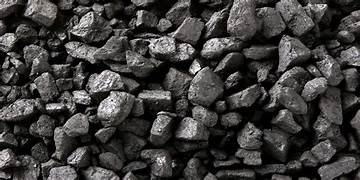

GLOBAL ENERGY DESK — Just a few years ago, world leaders and climate activists were preparing to write the final obituary for coal. Today, geopolitical turmoil has forcefully dragged the world’s dirtiest—but most reliable—fossil fuel back to the center of the global economy.
A stark new report from The Wall Street Journal reveals that the escalating war in the Middle East has triggered a massive global scramble for coal. With the vital Strait of Hormuz effectively blocked by the ongoing conflict, approximately 20% of the world’s liquefied natural gas (LNG) supplies have been abruptly cut off from the global market.
The consequences have been immediate and severe. Desperate to keep their power grids from collapsing, nations across Asia and Europe are rapidly reversing their green energy pledges and firing up dormant coal plants.
The Global Scramble for Supply According to the WSJ, the shift is most pronounced in Asia, a region that typically absorbs nearly 90% of the LNG exported through the Persian Gulf. With Qatari gas shipments grinding to a halt, industrial powerhouses like South Korea and Taiwan are rapidly restarting idled coal-fired generators. Meanwhile, in Europe, Italy and Germany have placed their coal plants on high alert to brace for a prolonged energy shock.
Unsurprisingly, the price of seaborne thermal coal is skyrocketing. Benchmark prices at Australia’s Newcastle port have surged past $140 a metric ton, and energy analysts expect global demand to hit record highs this year as the war drags on.
But while the West grapples with an energy crisis, this geopolitical earthquake is creating an unprecedented, multi-billion dollar economic window for resource-rich African nations—with Nigeria perfectly positioned to reap the rewards.
Africa’s Strategic Advantage For decades, Africa’s coal resources have been heavily stigmatized by the global push for decarbonization. Traditional mining giants like South Africa, which currently exports heavily to Europe and Asia, are already seeing a massive surge in demand for their coal output from companies like Thungela Resources and Exxaro.
However, the real untapped goldmine lies in West Africa.
Nigeria’s Dormant Giant Awakens Nigeria is globally renowned for its crude oil, but it is sitting on a staggering—and largely unexploited—2.7 billion metric tons of high-quality coal reserves. Spread across states like Enugu, Kogi, Benue, and Gombe, Nigerian coal is highly sought after because of its low sulfur and low ash content, making it cleaner-burning and highly efficient for power generation and steelmaking.
Historically, Nigeria’s coal sector was the engine of its economy in the mid-20th century before being abandoned in favor of the 1970s oil boom. Since then, the mining sector has suffered from severe underinvestment. But the current Middle East crisis changes the math entirely.
Here is how Nigeria and other African nations can capitalize on this global pivot:
- Massive Foreign Exchange Earnings: With global coal prices soaring, exporting solid minerals could provide Nigeria with a desperately needed alternative source of foreign exchange (FX), reducing the country’s over-reliance on crude oil revenues which fluctuate wildly.
- Attracting Foreign Direct Investment (FDI): As Asian and European buyers scramble for secure, non-Middle Eastern energy partners, Nigerian policymakers have a rare window to attract massive FDI to rebuild the nation’s rail and port infrastructure to facilitate bulk coal exports.
- Domestic Power Security: Beyond exporting, Nigeria can utilize its own coal reserves to power domestic modular coal plants. This would alleviate the country’s chronic national grid collapses and provide steady baseload power to drive local manufacturing.
- Job Creation: Revitalizing the mining corridors in Enugu and Kogi would create hundreds of thousands of direct and indirect jobs, breathing economic life back into historic mining communities.
The Window is Open—But For How Long? While the return to coal is driven by emergency wartime necessity rather than long-term climate policy, the reality is that the transition to green energy will take decades longer than previously projected. The world needs reliable energy now.
The question is whether African governments will seize the moment. For Nigeria, the script is already written: the “Black Diamond” that once powered the nation’s early economy is ready to be unearthed once again. If the government can rapidly cut red tape, secure mining regions, and offer attractive terms to international mining consortia, Nigeria could quickly emerge as the new lifeline for a world starved of energy.
For more exclusive insights into Africa’s economic opportunities and breaking global news, stay connected with ABT NEWS at www.abtnews.net.


 By
By