
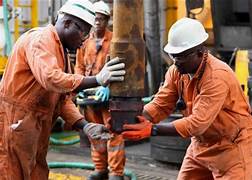

ABUJA | ABT NEWS (www.abtnews.net) — Nigeria’s vast oil reserves have long created a sense of abundance and economic invincibility, but new industry figures tell a starkly different story. The nation’s seemingly endless supply of “black gold” has a definite expiration date, and the countdown to a post-oil economy may have already begun.
According to the latest data and industry projections, Nigeria’s proven crude oil reserves are expected to last for just another 59 years, while its natural gas reserves have an estimated lifespan of 85 years at current production levels.
While five to eight decades might sound comfortably distant to the casual observer, industry experts and economists are sounding the alarm. They warn that the true threat to Nigeria’s future prosperity isn’t just the eventual depletion of resources, but rather a toxic combination of stalled discoveries, chronic underinvestment, and dangerously slow economic diversification.
For decades, Nigeria has relied heavily on hydrocarbon revenues to fund its national budget, build infrastructure, and sustain foreign exchange reserves. However, the pipeline of new oil and gas discoveries has largely dried up. International Oil Companies (IOCs) have increasingly divested from onshore and shallow-water assets, citing regulatory bottlenecks, security challenges in the Niger Delta, and a broader global mandate to shift capital toward renewable energy.
Without fresh capital to fund capital-intensive deep-water exploration, Nigeria is extracting its existing reserves without replacing them at a sustainable rate.
Furthermore, the global energy transition poses an immediate threat. As the world rapidly pivots toward cleaner energy sources, the value and demand for fossil fuels are expected to drop significantly long before Nigeria’s 59-year oil lifespan concludes. If the country does not actively accelerate the development of its natural gas infrastructure as a transition fuel—and pivot its broader economy away from crude oil dependency—it risks being left behind with stranded assets.
Financial analysts argue that the 59-year and 85-year figures should serve as a glaring wake-up call for policymakers. The consensus is clear: if aggressive economic diversification, infrastructure development, and policy reforms are not implemented soon, the well of Nigeria’s economic prosperity could run dry long before the last drop of oil is pumped.
The clock is ticking. But is Nigeria doing anything about the impending doom?
Follow ABT NEWS for more updates on Africa’s changing economic landscape. Are you aware how much it pays to advertise on ABT NEWS www.abtnews.net. Please send all your enquiries to advertise@abtnews.net or +447918790290


 By
By