
By ABT News Desk | Katsina
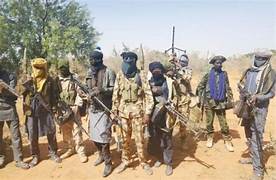
In a chilling display of impunity and sheer bravado that has left the nation in shock, heavily armed bandits emerged from the shadows yesterday morning in Katsina to hand over the remains of retired Major General Rabe Abubakar. Adding insult to the deep national wound, the terrorists reportedly retreated into the neighboring Matazu forest completely unchallenged by state security apparatus.
The tragic conclusion to the two-week hostage ordeal has sparked outrage and profound anxiety across the country. The late General, who once served as the Director of Defence Information, was abducted alongside his wife, Hajia Amina, on May 30. Despite his high profile status, he died in captivity due to complications from diabetes and hypertension in the harsh conditions of the terrorist enclave.
As citizens reel from the brazenness of the handover, three burning questions are dominating the national discourse:
How Could This Have Happened?
The abduction exposes the severe vulnerabilities on the North-West’s highways. On May 30, General Rabe was traveling to a wedding along the notorious Marabar Musawa–Kafinsoli road. A terror syndicate—reportedly led by a notorious kingpin named Kachalla Muhammadu—ambushed his red Peugeot 406 near Zakin Baure village.
Despite the General’s high rank and deep ties to the military establishment, the element of surprise and the sheer firepower of the bandits overwhelmed his vehicle. The attackers shot his driver and forced the General and his wife into the dense Musawa-Matazu forest network. The fact that a former senior military officer could be plucked from a major transit route highlights a severe gap in highway patrols and preemptive intelligence.
Why Didn’t Security Forces Arrest the Terrorists?
The sight of terrorists walking away unchallenged is deeply frustrating, but security sources point to a delicate and agonizing tactical reality.
During the handover of the General’s remains, the bandits also released his surviving wife, Amina. Launching a kinetic military strike or attempting an immediate arrest at the drop-off point would have almost certainly triggered a volatile firefight, putting the surviving hostage’s life at extreme risk.
Furthermore, the government maintained a strict stance against the bandits’ demands—which included the release of three detained terrorists and the return of seized livestock. Because no “peace deal” was struck, the drop-off was highly precarious. The terrorists operate in highly mobile formations and possess an intimate, tactical mastery of the vast Matazu forest, allowing them to retreat into the dense canopy before quick-reaction forces could safely pursue them without jeopardizing the rescue of the General’s wife.
What Does This Mean for the Fight Against Terrorism?
This tragedy is a monumental psychological blow to the Nigerian state. It sends a chilling message: if a former top military spokesperson—the very man who used to brief the nation on the army’s victories against insurgents—can be abducted and die in a terrorist camp, ordinary Nigerians are sitting ducks.
The incident indicates that despite ongoing military raids and aerial bombardments in the North-West, the underlying terror networks remain highly organized and remarkably bold. It will likely force a massive strategic pivot for the Armed Forces of Nigeria. Governor Dikko Umaru Radda of Katsina has already called this a “dark moment” requiring an intensified, collective front. Ultimately, this devastating loss proves that current strategies are not enough to secure the region, and until the sprawling forest sanctuaries like Matazu are permanently cleared and occupied by state forces, the kidnapping economy will continue to thrive.


 By
By