
ABT NEWS | www.abtnews.net
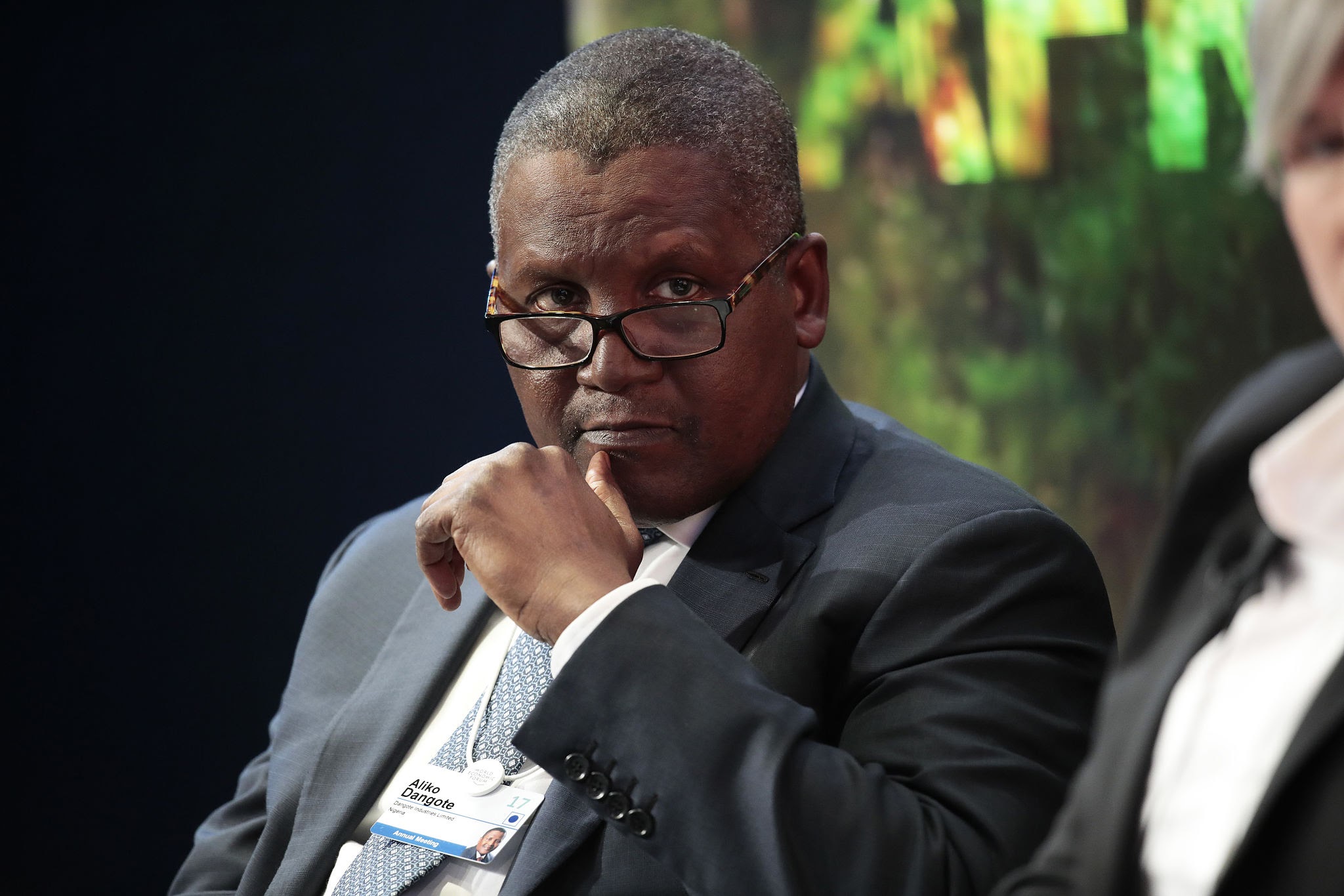
When the world looks at Aliko Dangote, they see Africa’s wealthiest industrialist, a titan whose net worth and expansive conglomerate command global respect. However, what remains hidden behind the shadow of his current success is a long trail of costly business failures, regulatory roadblocks, and severe economic frustrations in Nigeria.
Long before the rollout of his $20 billion petroleum refinery, Dangote navigated a series of high-profile commercial setbacks that would have forced most investors out of the market entirely.
The Costly Trial of Early Business Failures
The narrative that Dangote’s fortune was built on uninterrupted success that came from governmental patronage ignores the severe losses he suffered across several major sectors:
- The Multi-Billion Naira Textile Collapse: Dangote has openly described his foray into textiles as his “biggest business mistake.” Facing a flood of cheap, smuggled foreign imports, his textile manufacturing operations, including the historic Nigerian Textile Mills in Ikeja, collapsed. The closure forced him to shut down two factories and lay off nearly 8,000 workers, many of whom had spent decades with the firm.
- Selling Banking Assets to Settle Debts: To fulfill huge pension and gratuity obligations to laid-off textile workers, Dangote was forced to sell Liberty Merchant Bank for ₦1.2 billion. Nearly ₦1 billion of the proceeds were swallowed up immediately to settle worker payoffs. As Dangote later recalled, the venture saw them “burn their fingers.”
- Aborted Telecoms and Aviation Ambitions: In the early 2000s, Dangote acquired a telecommunications license to build a nationwide network. Internal disputes, heavy infrastructural costs, and regulatory friction ultimately forced him to abandon the sector just before Nigeria’s mobile revolution exploded. Similarly, an early venture into commercial aviation—Dangote Airlines—struggled with operational hurdles and was quietly shuttered.
- Agricultural Supply Chain Deficits: In 2016, Dangote launched a state-of-the-art tomato processing plant in Kano designed to process 1,200 tonnes daily to curb national import dependence. Chronic supply shortages (farmers supplied barely 20% of capacity), high energy overheads, and crop diseases led to repeated plant shutdowns and years of zero profitability.
The Refinery Battle: Bureaucratic Red Tape & The $100M Swamp
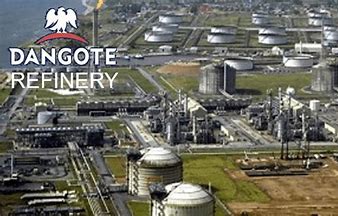
Even after surviving these early storms, building the Dangote Petroleum Refinery in Lagos presented a whole new set of systemic hurdles. Right from inception, political friction nearly derailed the project entirely.
“The biggest challenge was getting land for the refinery. I took a bank loan, but Ogun’s governor denied me approval, so I paid the bank with interest. I bought land in Lagos for $100M, not knowing it was marshy. We pumped 65M tons of sand to raise it.”
— Aliko Dangote
When the governor of Ogun State denied political approval for the original refinery site, Dangote was left holding millions of dollars in commercial loans, servicing heavy bank interest rates without an active operational site.
Determined to forge ahead, he relocated the project to the Ibeju-Lekki corridor in Lagos State, purchasing land for $100 million. Upon acquisition, the team discovered the terrain was heavily marshy and unsuitable for heavy industrial foundations. Rather than abandoning the vision, Dangote’s engineering teams dredged and pumped an astonishing 65 million tons of sand just to reclaim and stabilize the ground before laying a single foundation stone.
A Legacy Grounded in Persistence
Aliko Dangote’s journey underscores a sobering reality about enterprise building in developing economies: major success is often paved with major failures. Behind the headline figures lie years of trial and error, regulatory obstruction, and immense capital losses.
Today, as the 650,000-barrel-per-day refinery begins reshaping Africa’s energy landscape, it serves not only as a feat of industrial engineering, but as a monument to resilience against systemic frustration.
ABT NEWS Platform is absolutely free for all to enjoy. However please support us by grabbing a copy of the above eBook. A portion of the sales goes towards supporting girls to acquire AI skills. Donations towards that are also possible via PayPal using our email: info@abtnews.net



 By