
ABUJA, NIGERIA — Nigeria’s macroeconomic crisis has pushed millions of citizens into severe economic hardship. Skyrocketing food prices, persistent double-digit inflation, a volatile exchange rate, and eroded consumer purchasing power have turned daily survival into an uphill struggle for the average household.
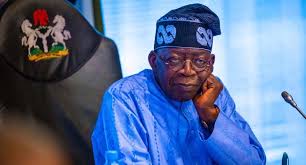
Faced with shrinking fiscal buffers, the All Progressives Congress (APC) administration under President Bola Ahmed Tinubu has relied heavily on aggressive tax reforms alongside record-setting domestic and external borrowings. This two-pronged strategy raises a fundamental economic question as the 2027 general elections approach: Has the current government run out of structural ideas to generate genuine economic value without burdening citizens?
The Anatomy of the Current Fiscal Strategy
To evaluate whether the APC administration has hit a policy wall, one must look at the balance sheet of recent reforms:
                  ┌─────────────────────────────────────────┐
                  │      APC Fiscal Management Model        │
                  └────────────────────┬────────────────────┘
                                       │
                ┌──────────────────────┴──────────────────────┐
                ▼                                             ▼
     Aggressive Revenue Expansion                 Debt Accumulation
•Subsidies removed (Fuel/FX)          •Over $94bn public debt stock
•Tax overhaul & expanded collection   •Continuous multi-billion loan requests
•Increased tariffs & compliance levies •Over 80% of revenue spent on debt service
                │                                             │
                └──────────────────────┬──────────────────────┘
                                       ▼
                       Impact on Average Citizens:
              Stagnant Real Wages + Squeezed Consumption
- Taxing an Already Depressed Economy: While expanding the tax base is a standard fiscal goal, doing so during an acute cost-of-living crisis contracts private consumption. Micro, Small, and Medium Enterprises (MSMEs), the primary engine of employment are struggling under rising energy costs and elevated interest rates. Imposing fresh taxes and levies without first addressing systemic productivity challenges extracts capital from an economy that needs stimulus.
- The Borrowing Spiral: Nigeria’s public debt stack has crossed historic thresholds. Defending multi-billion-dollar external loan approvals as “long-term infrastructure investments” ignores the immediate debt-service burden. Spending a disproportionate share of federal revenue simply servicing debt leaves little fiscal room for capital investments in education, healthcare, and industrial power grids.
- The Wealth-Creation Gap: Taxation redistributes existing wealth; borrowing leverages future wealth. Neither mechanism actually creates wealth. The core structural critique of the current administration is its failure to build economic productivity—converting raw resources, human capital, and industrial capacity into self-sustaining national revenue.
Key Structural Weaknesses of the Current Approach
- Over-reliance on Financialization over Real-Sector Growth: Fixing exchange-rate regimes and tightening monetary policy cannot substitute for actual production. Without reliable power, functional freight rail, and secure farmlands, monetary adjustments yield minimal supply-side improvements.
- Insecurity as an Economic Bottleneck: Agrarian belts across the Middle Belt and North-West continue to face security threats, directly depressing local food production and keeping food inflation high regardless of fiscal policy.
- Governance Waste and High Cost of Governance: Demanding sacrifice from citizens while maintaining a bloated executive structure, high overhead budgets, and political patronage weakens public trust and erodes compliance.
The Way Forward: Credible Policy Alternatives Ahead of 2027
As political parties and voters prepare for the 2027 general elections, economic policy must shift from debt reliance and revenue extraction toward real sector output.
| Policy Focus Area | Current Approach (Extraction & Debt) | Recommended Structural Alternative (Output & Efficiency) |
| Agriculture & Food | Import interventions & cash transfers | Direct security guarantees for farm belts; regional processing hubs to eliminate 40% post-harvest loss |
| Energy & Power | Tariff hikes on strained grid supply | Aggressive decentralization; off-grid solar/gas-to-power for industrial clusters |
| Fiscal Governance | Higher taxes & new external borrowing | Slashing governance costs; auditing oil-revenue leakages; structural public sector restructuring |
| Industrial Output | Currency devaluation for export parity | Targeted tax credits tied directly to verified local value-addition and employment thresholds |
Actionable Priorities for Nigeria’s Next Policy Cycle:
- Transition from Fiscal Extraction to Production Incentives: Rather than increasing the tax burden on compliant businesses, the government should offer targeted tax holidays for companies that invest in local processing, manufacturing, and technology exports.
- Plug Revenue Leakages in Energy Sectors: Crude oil theft, unmetered production, and opaque remittances from state-owned enterprises deprive the treasury of billions annually. Resolving these leakages would generate far more revenue than new domestic consumer taxes.
- Establish a Transparent Infrastructure-Asset Model: Instead of taking on sovereign debt for public works, Nigeria should leverage Public-Private Partnerships (PPPs), concession models, and joint-venture equity structures where private capital funds and manages infrastructure under clear regulatory oversight.
- Mandatory Cut in the Cost of Governance: Credible leadership requires fiscal discipline at the top. Rationalizing government agencies, capping political allowances, and curbing non-essential administrative spending are essential steps to free up capital for public investments.



 By