
Starting over after financial devastation is a daunting reality for many. Recent data underscores this hidden struggle: a staggering 68% of adults report having experienced financial trauma, and nearly 20% of adults in high-income countries lack the financial resilience to cover a sudden emergency without difficulty.
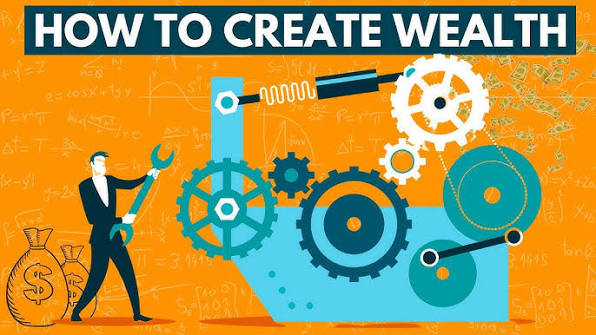
When faced with a total reset, the human instinct is often to scramble for immediate cash. However, modern financial strategy dictates a counterintuitive approach: If you have to rebuild from zero, do not chase money first. Instead, rebuild the ability to create it.
Below is a three-step blueprint for becoming valuable enough to generate wealth again.
1. Learn a Valuable Skill
Your earning potential is directly tied to your capability. To rebuild, dedicate at least two focused hours a day to acquiring a high-value skill. This requires a fundamental shift in daily habits—consuming less and building more capability.
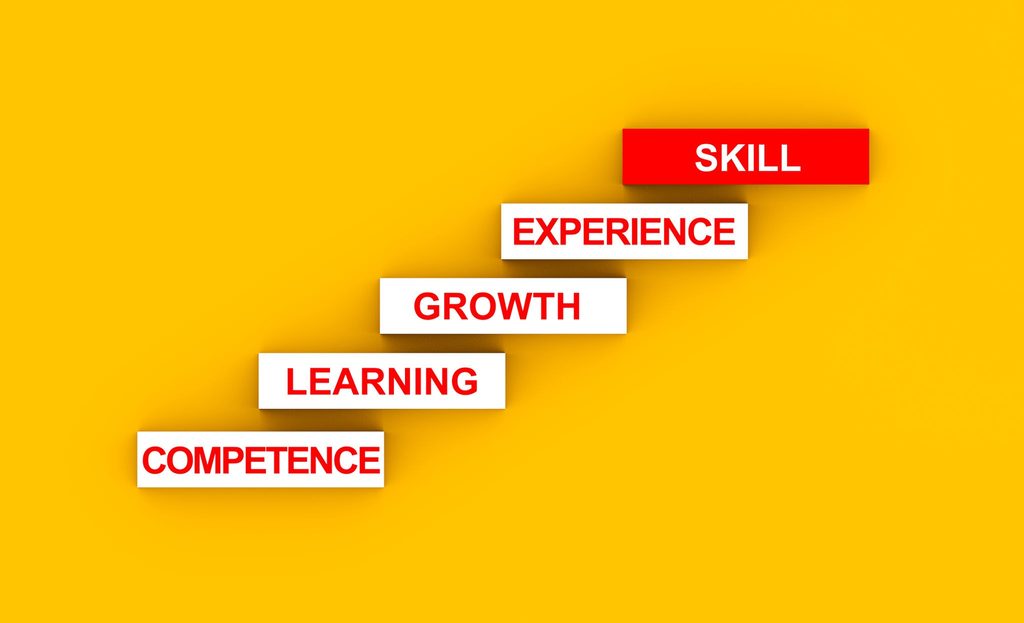
Whether it is coding, digital marketing, financial analysis, or a specialized trade, the goal is to develop a personal asset that no market crash or economic downturn can take away from you.
2. Solve a Real Problem
Skills alone do not generate wealth; applied skills do. The next step is to turn your newly acquired capability into a service, product, or small business that solves a tangible problem for others. Income is simply the byproduct of the value and solutions you provide to the marketplace.
3. Give Every Dollar a Job
As your skills begin generating revenue, strict financial discipline is required to accelerate your recovery. This is where “zero-based budgeting” comes into play—a strategy where every single dollar of income is assigned a specific purpose (essentials, savings, debt repayment, or investing) so that your income minus expenses equals exactly zero.
Cover your bare essentials, continue investing in your education, and heavily reinvest your remaining capital into whatever is producing income.
The core philosophy: You don’t rebuild wealth by starting with money. You rebuild it by becoming valuable enough to create money again.
Despite economic headwinds, the drive to recover remains strong. Over the past year, 72% of young adults have proactively taken steps to improve their financial health by cutting expenses and prioritizing savings.
Save this blueprint. You may never need it, but you will be glad you have it if you ever do.
THINK BETTER. EARN BETTER. BUILD BETTER!



 By
By