
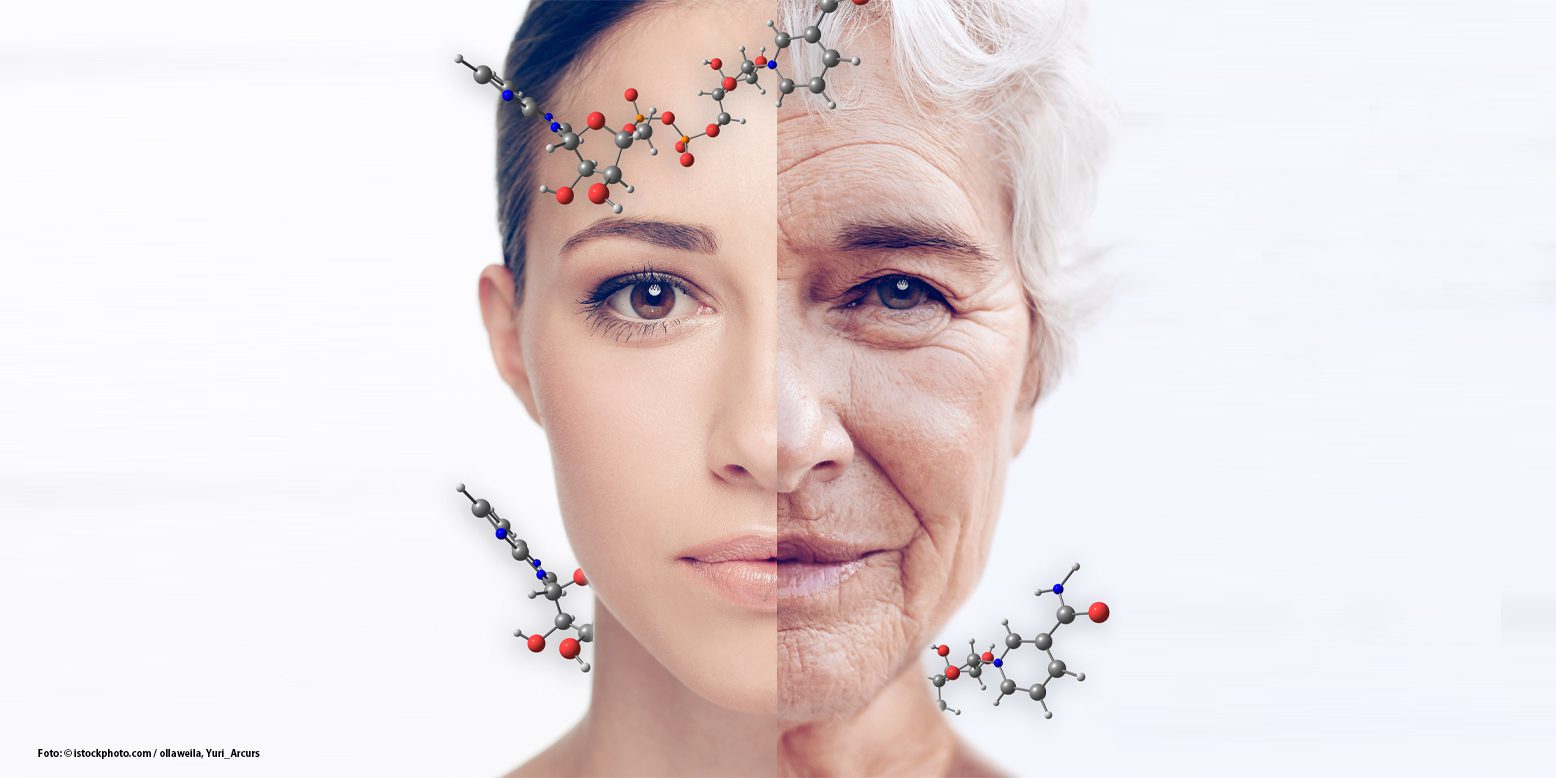

EARLEY, ENGLAND – Searching for the biological fountain of youth? You might want to skip the expensive supplements and pick up a dictionary instead. According to groundbreaking new research monitored by ABT NEWS (www.abtnews.net), multilingualism is officially one of the most powerful ways to slow the aging of the human brain.
Presented at the prestigious Federation of European Neuroscience Societies (FENS) Forum, the study utilized magnetic brain imaging (magnetoencephalography) and an advanced machine-learning “brain aging clock” to map the biological age of participants’ brains against their chronological age.
The results were nothing short of jaw-dropping, revealing a definitive anti-aging gradient based on the number of languages a person speaks:
- Bilinguals (2 languages): Brains appeared 6 years younger than the baseline.
- Trilinguals (3 languages): Brains appeared 7 years younger.
- Quadrilinguals (4 languages): Brains appeared an astonishing 13 years younger!
The Science of the “Brain Workout” Why does language hold the key to a younger mind? Researchers explain that the brain functions much like a high-performance muscle. When you know multiple languages, your brain is in a state of continuous, intense mental effort, actively working to suppress the vocabularies you aren’t currently using. This constant cognitive workout keeps neural communication pathways incredibly active, significantly delaying the natural fraying and cognitive decline that comes with aging.
While the study confirmed that early childhood language acquisition provides the strongest protective impact, researchers emphasized a crucial takeaway for adults: engaging in the effortful learning of a new grammar system at any age sparks vital neuroplasticity. It is never too late to begin building cognitive resilience. Now you know!!
Busting the “Language Confusion” Myth The coverage also puts to rest an outdated, yet pervasive, myth that exposing young children to multiple languages causes developmental confusion. Backed by speech therapists, the consensus is clear: language mixing in children is a beautiful, normal phase of development. True speech disorders are entirely unrelated to growing up bilingual. Parents are encouraged to celebrate, not suppress, multilingual households.
More Than Just Brain Health Beyond acting as a biological shield against cognitive decline, this research, which has already caught the attention of major outlets like The Guardian serves as a powerful reminder of the intrinsic value of language. We don’t just learn languages to bio-hack our brains; we learn them to communicate, connect with other cultures, and unlock global opportunities in education and employment.
Whether you are in a classroom, at the office, or navigating later life, learning a language remains one of the most enriching and protective investments you can make in yourself.
For more cutting-edge health and science updates, visit ABT NEWS at www.abtnews.net.
Media Contact: ABT NEWS Editorial Desk: editor@abtnews.net



 By
By