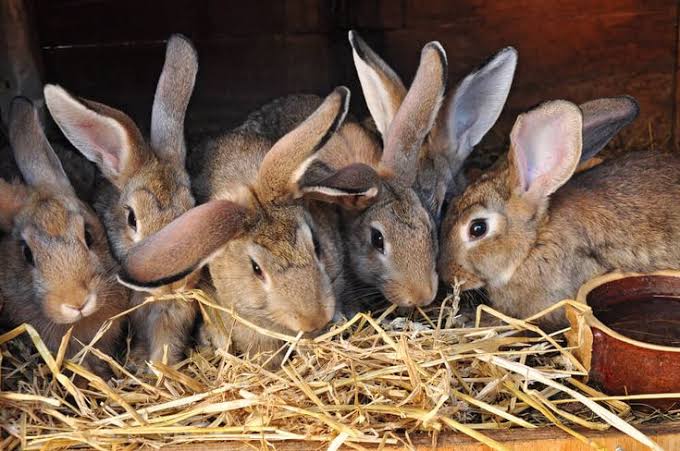

In the competitive world of rabbit farming, the vast majority of producers remain laser-focused on one of two things: meat production or breeding stock. While these are the cornerstones of the business, experienced keepers are increasingly realizing that they may be ignoring the most valuable asset in their hutch—rabbit urine.
Far from being a waste product, rabbit urine is rapidly gaining a reputation as a powerhouse organic input. As agricultural costs rise, farmers are discovering that the solution to better soil health might already be flowing beneath their rabbit cages.
A Nutrient Powerhouse
For those looking to move away from expensive, synthetic chemical fertilizers, rabbit urine offers a natural, sustainable alternative. It is chemically rich in three primary plant macronutrients that are essential for high-yield farming:
- Nitrogen (N): The primary driver for lush, leafy growth.
- Phosphorus (P): Crucial for establishing strong root systems.
- Potassium (K): The engine behind overall plant health, stress resistance, and increased crop yield.
By integrating this liquid fertilizer into their routines, farmers report significant improvements in soil fertility, enhanced microbial activity, and structural integrity in their soil. The result? Healthier, more productive crops with a lower reliance on store-bought inputs.
Practical Application for the Modern Farmer
Implementation is straightforward, making it an accessible option for smallholders and large-scale operations alike.
- As a Foliar Fertilizer: The standard “golden ratio” for foliar application is one litre of rabbit urine mixed with five litres of water. When sprayed directly onto leaves, plants can absorb nutrients rapidly, providing a quick boost to their development.
- For Pest Management: Some farmers are taking the formula a step further. Stronger concentrations, when combined with organic deterrents such as chilli, neem leaves, and ash, act as a natural, potent insect repellent.
- The Biogas Advantage: Beyond the field, there is utility in the generator. Rabbit urine can be added to rabbit-manure biogas digesters, where it works to improve overall gas productivity.
Join the Conversation
At ABT News, we are committed to highlighting the innovations that make farming more efficient and profitable. A few weeks ago, we explored the comprehensive benefits of rabbit farming in our ongoing series—if you missed that report, be sure to check the comment section below for the link.
We want to hear from you: Have you integrated rabbit urine into your farming practices? Whether you are using it on maize, tomatoes, fruit trees, or vegetable patches, we want to know what you’ve observed.
Drop your experiences in the comments below, and don’t forget to share this article with your fellow farmers who might be looking for a smarter, more sustainable way to grow.
© 2026 ABT NEWS. All Rights Reserved. Stay connected for more insights on sustainable agriculture.



 By
By