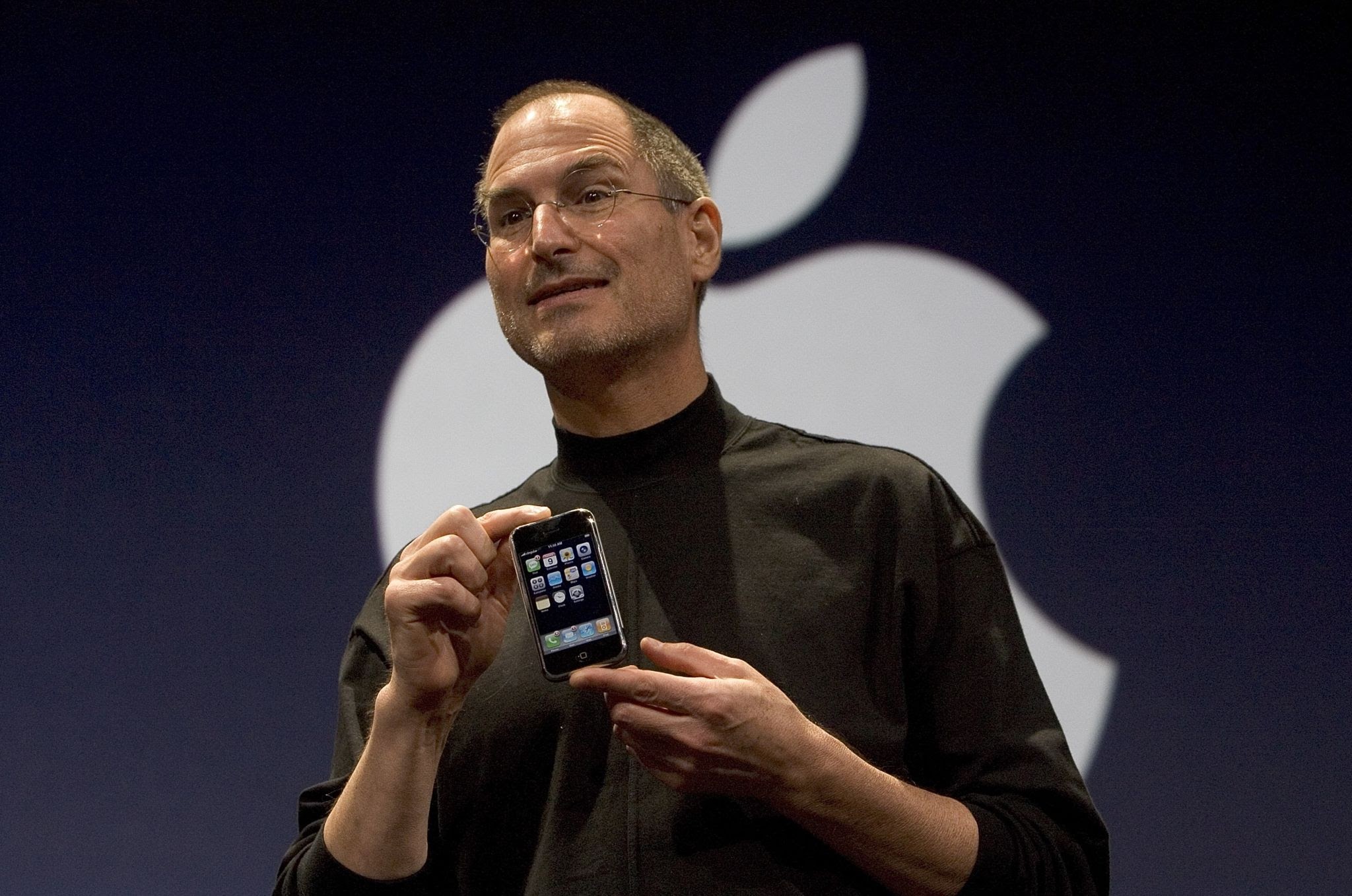

SILICON VALLEY — It remains one of the most famous executive clashes in corporate history. In 1985, at just 30 years old, Steve Jobs was forced out of Apple, the very company he had co-founded in a garage nine years prior.
Following intense disagreements with then-CEO John Sculley and the board of directors, Jobs resigned. According to a recent retrospective making waves in business circles, Jobs sold nearly all of his stock on his way out the door, retaining a single share just so he could continue receiving shareholder reports and attend meetings.
But rather than marking the end of his career, this massive setback laid the groundwork for two distinct industry revolutions.
From Hardware to Hollywood
Instead of stepping away from the tech world, Jobs immediately pivoted. He founded NeXT, a computer company dedicated to building high-powered workstations for the higher education and business sectors.
More surprisingly, that same year, Jobs spent $10 million to purchase the computer graphics division of Lucasfilm. He renamed the small, little-understood division Pixar. At the time, few believed a boutique animation studio had mainstream potential.
Jobs proved the skeptics wrong a decade later. In 1995, Pixar released Toy Story, the world’s first fully computer-animated feature film. The movie was a global blockbuster that fundamentally transformed the animation industry.
By 2006, The Walt Disney Company acquired Pixar in a massive $7.4 billion deal. The acquisition made Jobs Disney’s largest individual shareholder. Ironically, Jobs achieved his billionaire status largely through his investment in Pixar, rather than his early days at Apple.
The Ultimate Corporate Comeback
1985 Ousted from Apple
Jobs resigns after board disputes, sells his stock (save for one share), founds NeXT, and buys Pixar.
1995 The Animation Revolution
Pixar releases Toy Story, completely upending traditional animation and securing massive box office success.
1997 The Return
A struggling Apple acquires NeXT. Jobs returns as CEO to save the company from the brink of bankruptcy.
2006 The Disney Deal
Disney acquires Pixar for $7.4 billion, cementing Jobs’ status as a billionaire and media mogul.
While Jobs was building Pixar, Apple was struggling to survive. Desperate for a modern operating system and visionary leadership, Apple acquired NeXT in 1997, officially bringing Jobs back into the fold as CEO.
What followed is widely considered the greatest business turnaround in modern history. Under his renewed leadership, Apple introduced the iMac, iPod, iPhone, iPad, and the App Store—catapulting the nearly bankrupt company into one of the most valuable corporations on the planet.
Today, business analysts and entrepreneurs often point to Jobs’ 1985 exile not as a failure, but as a necessary catalyst. Being fired gave Jobs the runway to build something entirely new, ultimately providing him with the experience and technology needed to return and change Apple forever.


 By
By