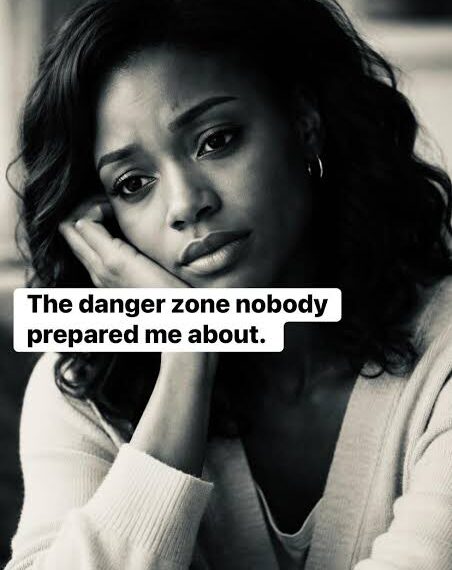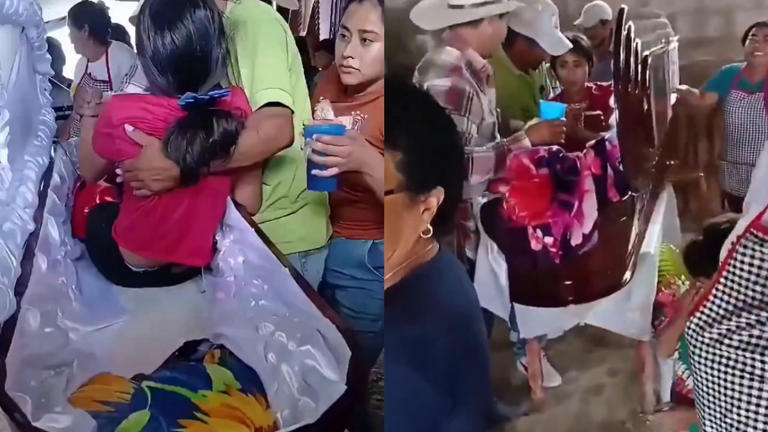

In recent years, a troubling series of tragic events has surfaced across African diaspora communities in the United Kingdom, the United States, Canada, and Europe. Reports of domestic disputes escalating into spousal homicides and murder-suicides have shocked community members, leaving families shattered and raising urgent questions about the pressure points facing immigrant couples abroad.
While intimate partner violence (IPV) affects individuals across every demographic, the unique intersection of immigration stress, cultural expectations, financial pressure, and social isolation creates specific vulnerabilities for African couples living in the diaspora. To prevent further tragedies, it is vital to examine the documented patterns behind these incidents and outline clear, structural solutions to break the cycle.
Documented Triggers and Real-World Patterns
Court records, police inquests, and advocacy reports across major diaspora hubs point to several recurring circumstances present in domestic homicide cases:
1. Shift in Gender Roles and Economic Power Dynamics
In many traditional settings, men are socialized as primary breadwinners and heads of the household. Upon relocating to countries like the UK or USA, female partners often find rapid employment in sectors such as healthcare, caregiving, or social services. When wives become the primary income earners, or when men struggle with underemployment and status loss, severe friction can arise. Without healthy coping mechanisms, this perceived loss of control can manifest as coercive control, domestic abuse, or violent retaliation.
2. Isolation and Loss of Traditional Mediation
In home countries, family networks, extended relatives, and community elders often serve as buffers to mediate marital conflict or intervene when safety is compromised. In the diaspora, couples frequently live in nuclear isolation. Without trusted, immediate support systems, toxic dynamics ferment behind closed doors without external visibility or intervention.
3. Immigration Status and Coercive Control
Immigration status is frequently weaponized in domestic abuse cases within diaspora communities. Abusive partners may hold spousal visas or threaten their partner with deportation, loss of custody, or financial abandonment if they speak out or attempt to leave. This legal dependence keeps victims trapped in escalating violence until it reaches a breaking point.
4. Religious and Cultural Stigma Against Divorce
A recurring theme in many documented cases is the immense social pressure to preserve the marriage at all costs. Victims often face intense guilt from family members or religious organizations advising them to “pray harder” or remain patient in abusive environments. Silence is prized over safety, discouraging victims from seeking restraining orders, police intervention, or emergency shelter.
5. Untreated Trauma and Mental Health Stigma
Relocating to a new country brings acute stress, cultural shock, and financial anxiety. When combined with unaddressed pre-migration or post-migration trauma, mental health can deteriorate rapidly. Due to pervasive stigma surrounding mental healthcare within many African communities, individuals rarely seek professional counseling, anger management, or psychiatric support before a crisis occurs.
High-Profile Cases: A Systemic Concern
Publicly documented legal proceedings from the UK, North America, and Europe highlight how unchecked domestic violence can culminate in tragedy:
- United Kingdom: High Court and Crown Court trials have detailed tragic instances where long-standing domestic abuse, financial distress, or fears of separation escalated into fatal stabbings or strangulation within West and East African immigrant households. Inquests often reveal that victims had suffered in silence for years or had confided in friends without contacting formal support services due to fears of social ostracization or immigration repercussions.
- United States & Canada: Law enforcement agencies across major metro areas with large diaspora populations such as Texas, Maryland, Minnesota, and Ontario, have investigated multiple murder-suicide incidents involving married immigrant couples. Case files frequently highlight underlying themes of sudden job loss, disputes over property held overseas, or impending divorce filings that triggered extreme violence.
These cases demonstrate that spousal homicide is rarely a sudden, random event; it is almost always the violent conclusion of a long, unaddressed pattern of emotional, financial, or physical abuse.

Strategies for Prevention and Structural Change
Ending this crisis requires a coordinated effort across faith institutions, community organizations, legal systems, and families.
       ┌─────────────────────────────────────────────────────────┐
       │             COMMUNITY PREVENTION FRAMEWORK              │
       └────────────────────────────┬────────────────────────────┘
                                    │
    ┌─────────────────┬─────────────┴─────────────┬─────────────────┐
    │                 │                           │                 │
┌───▼───────────┐ ┌───▼───────────┐         ┌───▼───────────┐ ┌───▼───────────┐
│ Faith Leaders │ │ Support Nets  │         │ Legal Literacy│ │ Mental Health │
│  & Education  │ │ & Local Charities       │ & Protections │ │ De-stigmatization
└───────────────┘ └───────────────┘         └───────────────┘ └───────────────┘
1. Reform Faith-Based and Community Leadership
Faith leaders hold immense influence within diaspora communities. Churches and mosques must take an explicit, proactive stance against domestic abuse:
- Preach Safety Over Silence: Clergy must explicitly clarify that marriage vows do not supersede individual safety, and that abuse is grounds for immediate separation.
- Mandatory Safeguarding Training: Faith organizations should undergo training on domestic violence identification and partner with professional social services rather than attempting to resolve violent disputes internally.
2. Expand Culturally Competent Support Services
Generic domestic violence services may not fully grasp the cultural, linguistic, or immigration nuances faced by African immigrants.
- Communities must establish and fund specialist organizations (similar to Southall Black Sisters or specialized BAME shelters in the UK) that provide confidential counseling, safe housing, and culturally sensitive case management.
3. Increase Literacy on Legal Protections and Visas
Victims must know that Western legal frameworks provide protections regardless of immigration status:
- UK Context: Victims should be made aware of provisions such as the Migrant Victims of Domestic Abuse Concession (MVDA), which allows victims on spousal visas to access public funds and temporary independent status if escaping abuse.
- US Context: Protections under the Violence Against Women Act (VAWA) allow non-citizen victims of domestic abuse to self-petition for legal status without their spouse’s knowledge or consent.
4. Normalize Mental Health Support and Marriage Therapy
Attitudes toward therapy must shift from viewing it as a sign of weakness or spiritual failure to recognizing it as essential healthcare:
- Community forums, podcasts, and civic associations should regularly feature African mental health professionals to discuss stress management, emotional regulation, and conflict resolution.
- Pre-marital counseling should include candid discussions on financial management, joint decision-making, and adapting to modern, egalitarian partnership structures in Western environments.
5. Engage Men in Violence Prevention
Preventing intimate partner violence requires engaging men directly:
- Peer-led men’s groups across diaspora communities provide safe spaces for men to discuss economic anxiety, vulnerability, parenting, and emotional health without judgment.
- Programs focusing on healthy masculinity help reframe success away from rigid dominance toward mutual respect, emotional intelligence, and shared responsibility.
Moving Forward
Tragedies within the diaspora serve as an urgent call to action. Protecting families requires breaking the culture of silence, rejecting harmful stigmas around divorce and mental health, and ensuring that no individual feels trapped in an abusive household. By equipping communities with legal knowledge, accessible mental healthcare, and proactive leadership, the diaspora can foster safe, supportive environments where couples thrive together.


 By
By