
By ABT News Desk
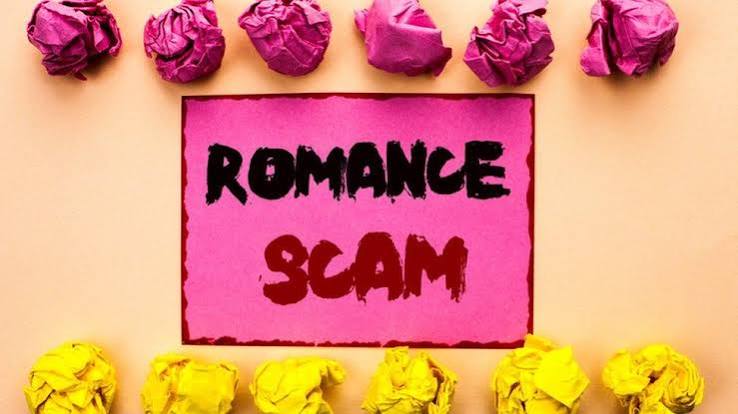
It starts with a simple, warm message on a dating app or social media platform. A charming photo, shared interests, and attentive conversations soon build what feels like a genuine, deep emotional bond. But behind these digital alter egos lies a cold, calculated criminal apparatus designed for one purpose: financial extraction.
The growing menace of romance scams where fraudsters cultivate romantic trust to manipulate victims into transferring massive sums of money, has reached a critical breaking point. Federal authorities are increasingly cracking down on transnational syndicates that target elderly and vulnerable individuals across the globe.
The $9 Million Syndicate: Twin Brothers and US Accomplice Plead Guilty
In one of the most stark examples of this epidemic, 22-year-old twin brothers from Ghana, Jamal Abubakari (also known as “Arrangement”) and Kamal Abubakari (also known as “Lancaster”), along with a 53-year-old American woman, Amanda Joy Opoku-Boachie (who operated under pseudonyms including Amanda Joy Glum and Amanda Joy Kessei Bierman), have pleaded guilty to federal conspiracy charges.
Between July 2024 and April 2026, the international network defrauded victims of over $9 million (£6.7 million). Operating out of West Africa and the United States, the group fabricated false online personas to lure elderly victims into romantic relationships. Once trust was secured, they persuaded the victims to transfer funds to bank accounts controlled by syndicate members in Ghana and elsewhere.
While many of the victims were concentrated in Ohio where the charges were formally brought, the scam’s reach stretched across 25 US states, as well as international victims in Germany, UK, Denmark and Austria.
Court Forfeitures and Potential Sentences
Following their arrests by federal law enforcement, investigators seized high-end luxury items bought with the proceeds of fraud. As part of their plea agreements, the trio agreed to forfeit the seized items:
- Luxury watches
- Gold chains and medallions
- Diamond rings and earrings
All three defendants face up to 20 years in prison. Sentencing has been set for February 2027 by a US Federal District Court Judge.
A Global Pattern: Transnational Enforcement Escalates
The conviction of the Abubakari twins and Opoku-Boachie is not an isolated case; it reflects a broader surge in law enforcement operations targeting West African romance scam networks.
                     ┌─────────────────────────────────────────┐
                     │          Romance Scam Anatomy          │
                     └────────────────────┬────────────────────┘
                                          │
    ┌─────────────────────────────────────┼─────────────────────────────────────┐
    │                                     │                                     │
    ▼                                     ▼                                     ▼
1. Target Selection               2. Trust Building                     3. Capital  Extraction
- Online dating platforms         - Fabricated personas                 - Urgent medical fake news
- Social media profiles           - Weeks/months of bonding             - Fake business opportunities
- Focus on elderly/isolated       - Isolation from family               - Wire & crypto transfers
High-Profile Extraditions: The Case of “Abu Trica”
In June 2026, Ghanaian social media influencer Frederick Kumi, widely known on platforms as Abu Trica, was extradited to the United States to face federal trial. Kumi stands accused of operating an intricate romance scam network that defrauded elderly Americans out of more than $8 million (£5.9 million).
Kumi allegedly created deceptive profiles on dating apps and social channels, building romantic rapport before fabrication of urgent emergency scenarios—such as fake medical bills or legal troubles—to extract payments. His case is being aggressively prosecuted under the US Elder Abuse Prevention and Prosecution Law. (Kumi maintains his innocence and denies all charges).
Scaffolding Scams at Scale
US authorities have ramped up direct enforcement operations in West Africa. FBI Director Kash Patel recently confirmed that law enforcement agencies dismantled a major, organized scam centre operating out of Ghana, resulting in hundreds of arrests and the seizure of operational hardware.
By the Numbers: The Impact on Seniors
Data from regulatory and law enforcement bodies like the Federal Trade Commission (FTC) and FBI illustrate why elder romance fraud has become a priority focus:
| Metric / Demographic | Statistical Overview |
| Annual US Romance Scam Losses | Surpassed $1.1 Billion per year. |
| Targeting Elderly Adults | Older adults are 48% more likely to report financial loss to romance scams compared to younger cohorts. |
| Median Loss (70+ Age Group) | $9,000 per victim—over twelve times higher than younger adult groups. |
| Primary Vectors | Social media sites and online dating platforms account for over 40% of initial contacts. |
Protect Yourself and Loved Ones
Authorities urge the public to remain vigilant when interacting with individuals met exclusively online. Red flags of a romance scam include:
- Fast-Moving Affection: Rapid declarations of deep love or connection before meeting in person.
- Excuses to Meet: Promises to visit that are repeatedly canceled due to unexpected “emergencies” or travel difficulties.
- Requests for Funds: Requests to transfer money via wire transfers, gift cards, or cryptocurrency—especially for medical emergencies, customs fees, or travel expenses.
- Isolation: Encouraging victims to keep the relationship secret from friends or family members.
If you or someone you know has fallen victim to an online romance scam, report the activity immediately to local law enforcement, the FBI’s Internet Crime Complaint Center (IC3), or relevant national fraud reporting agencies.
What to Do Immediately:
- Stop contact: Do not send any more money, reply to messages, or give out any further personal details.
- Contact your bank: Call your bank right away using the official number on the back of your bank card or dial 159 to freeze payments and accounts.
- Secure accounts: Change passwords for any compromised accounts and turn on two-factor authentication (2FA).
- Preserve evidence: Take screenshots of messages, emails, websites, phone numbers, and transaction records



 By