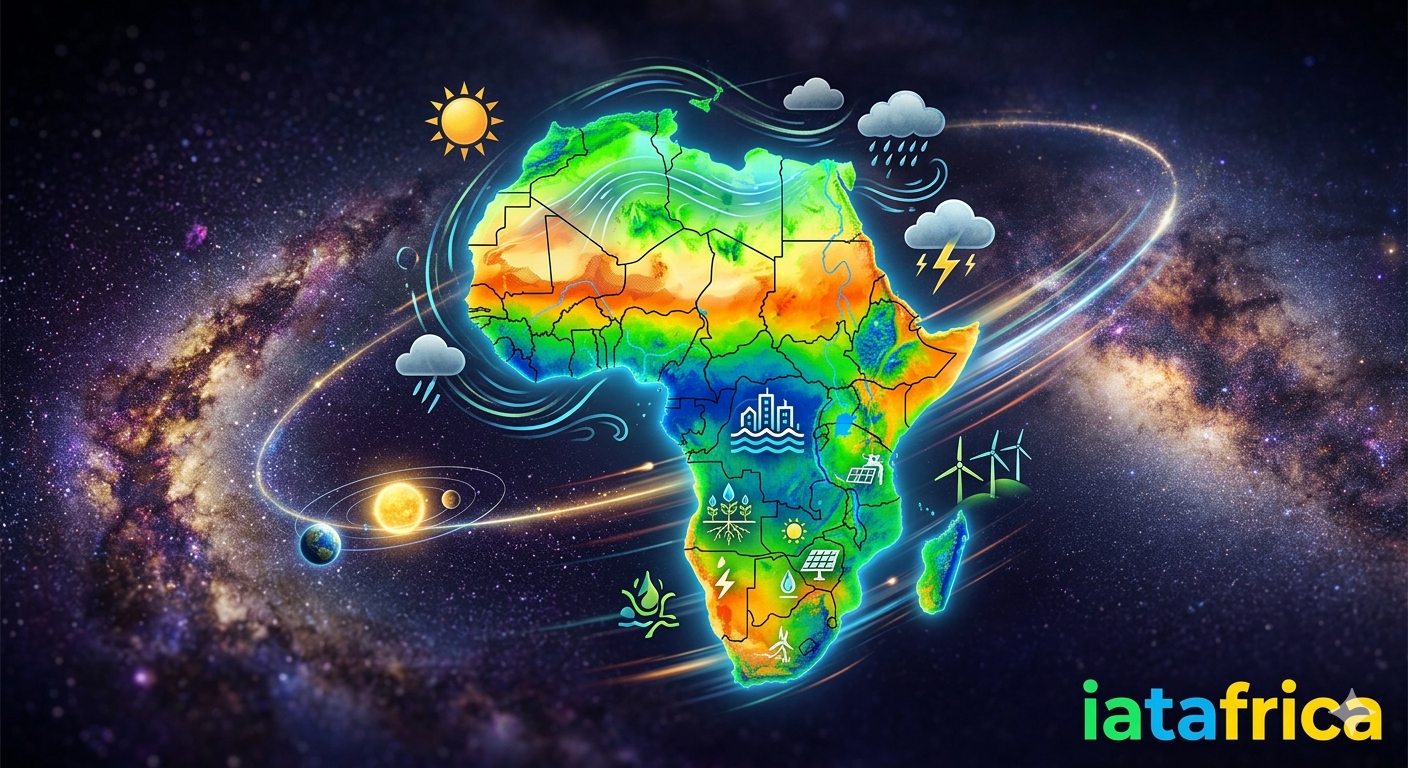

Right now, as you read this exclusive report, you are not just sitting at your desk or looking at your phone. You, along with the Earth and the entire Solar System, are hurtling through the Milky Way galaxy at a staggering 220 kilometers per second! Let that sink in!
Oh yes, it takes the Sun roughly 250 million years to complete one orbit around the galactic center—a journey known as a “Galactic Year.”
Over this massive cosmic cycle, our solar system passes through wildly different environments: dense spiral arms filled with star formation, quieter regions with fewer stars, and shifting radiation fields.
Some scientists theorize that this long journey actually influences Earth’s climate patterns over deep geological time.
To put this in perspective: the last time Earth was at this exact position in the galaxy, dinosaurs didn’t even exist yet, and our planet looked completely different.
We are currently somewhere in the middle of our 20th galactic orbit. But while the cosmos shapes our world over millions of years, here in Africa, our climate is changing in a matter of decades.
We believe that understanding the massive scale of the coming changes should inspire urgent, localized action. Even as we are yet to have a Galactic Year to adapt to the shifting realities of our environment.
 The Reality of Africa’s Changing “Neighborhood”
Unlike the slow cosmic dance, the climate shifts happening across the African continent are rapid and immediate. Africa contributes the least to global greenhouse gas emissions, yet it stands on the frontline of climate vulnerability.
The Shifting Sahel & Desertification: Just as Earth passes through dense cosmic environments, communities in the Sahel are navigating dense ecological challenges, with desertification swallowing arable land and threatening food security.
Unpredictable Water Cycles: From prolonged droughts in the Horn of Africa to devastating floods in Southern and East Africa, the historical rhythms of our rainy seasons are being drastically rewritten.
Coastal Vulnerability: Rising sea levels are reshaping the coastlines of megacities like Lagos, Accra, and Cape Town, demanding immediate infrastructural adaptation.
 What This Portends for African Policy Framers
When we look at 20 entire cycles of cosmic history, we are reminded that survival requires adaptation. For African policymakers, business leaders, and environmental stewards, the future climate portends a landscape that will demand unprecedented innovation.
If we are to secure a thriving future for the continent, our policy frameworks must reflect this urgency:
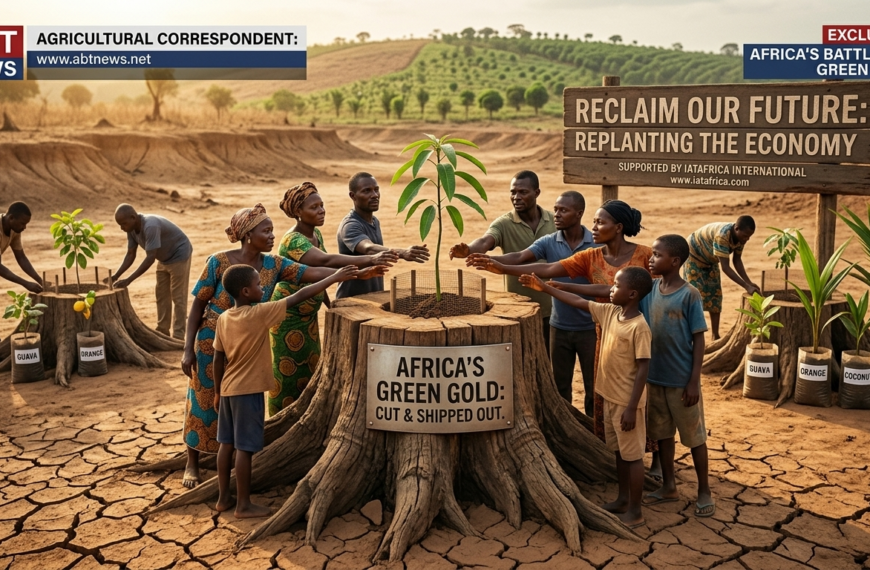
 Invest in Climate-Smart Agriculture: We must transition to drought-resistant crops, improved irrigation, and sustainable land management to protect the livelihoods of millions of smallholder farmers.
Build Resilient Infrastructure: Future-proofing our cities, energy grids, and transport networks against extreme weather events is no longer optional; it is the foundation of economic stability.
Drive the Green Energy Transition: Africa possesses abundant renewable energy resources—solar, wind, and geothermal. Policy framers must prioritize investments that allow the continent to industrialize cleanly, leaping past the fossil-fuel dependency of the 20th century.
Demand Global Climate Equity: African leaders must continue to unite on the global stage, ensuring that climate finance promises are met and that the continent receives the technology transfer necessary for adaptation.
 A Call to Action
We are a small planet, orbiting a star, that’s orbiting a galaxy, moving through the universe.
But right here, right now, we are the stewards of Africa’s future. The Earth will continue its 220 km/s journey through the Milky Way regardless of what we do. But what Africa looks like a decade, a century, or a millennium from now depends entirely on the policies we frame and the actions we take today.
 Let’s build an Africa that doesn’t just survive the changing climate, but leads the world in adapting to it.
What steps do you think are most critical for future-proofing your local community against climate shifts?
Share your thoughts in the comments below!


 By
By