
ILORIN — Imagine inheriting a savings account that pays you millions every single year, only to burn the actual bank building down just to keep warm for one night. That is exactly the terrifying tragedy currently unfolding across Nigeria’s Savannah belt, and if the government does not wake up immediately, the nation is about to lose a multi-billion-dollar agricultural empire!
A devastating new investigative report titled “Burning the future: The shea butter tree in Nigeria’s charcoal boom,” has exposed a heartbreaking reality: Nigeria’s priceless Shea Butter trees, the very backbone of rural agriculture and women’s wealth in the North and Middle Belt are being mercilessly slaughtered. Their crime? They make “premium, high-quality” charcoal.
With cooking gas skyrocketing to an unbearable ₦1,400 per kg and kerosene hitting ₦1,200 per litre, millions of Nigerian households, including the middle class, have desperately pivoted to using charcoal. But behind the smokeless stoves in our kitchens lies an agricultural massacre.
The Kwara Tragedy: Liquidating Tomorrow for Today’s Dinner
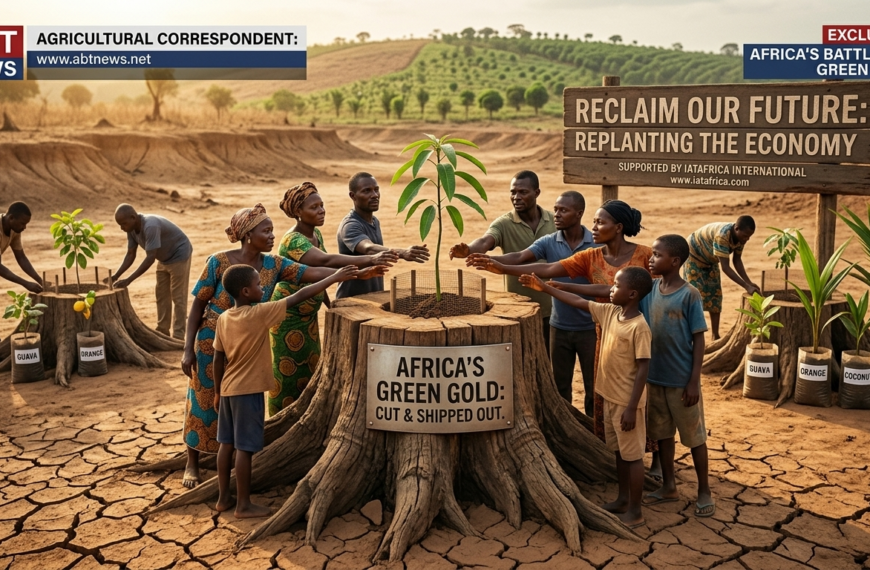
In communities across Kwara State and beyond, where over 90% of rural women rely entirely on the shea butter value chain to survive, feed their children, and pay school fees, an alarming trend has emerged. Heavy-duty trucks are now seen trooping out of these villages daily, loaded to the brim, not with processed Shea Butter, but with charcoal made from chopped-down Shea trees!
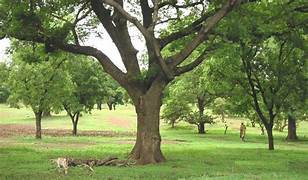
It takes decades for a Shea tree to mature and start producing the magical nuts that the global cosmetic and confectionery industries desperately crave. Yet, these generational assets are being cut down in a single afternoon by loggers and middlemen looking to satisfy the booming urban demand for charcoal.
“Charcoal from shea trees is one of the best. It burns well. It’s always in demand,” one local revealed.
While we cannot blame hungry, impoverished citizens for seeking affordable cooking fuel, the destruction of the Shea tree is a catastrophic coping strategy. It is the agricultural equivalent of eating your seed yams and praying for a harvest next year.
Economic Sabotage: The Implication on Nigeria’s Shea Value Chain
If you think this is just an environmental issue, look at the numbers. The global Shea butter market is currently valued at over $6.5 Billion, with projections of continuous massive growth. Nigeria naturally possesses over 50% of the world’s Shea trees, naturally making us the kings of the highly sought-after Paradoxa shea butter used globally by mega-brands like L’Oréal and The Body Shop.
- Just recently, Nigeria started making aggressive moves to fix its broken Shea value chain. Instead of just exporting cheap raw nuts, policies were shifted to encourage domestic processing. Local processing volumes dramatically shot up from 15,000 metric tonnes to a staggering 70,000 metric tonnes. Farm-gate prices for the rural women jumped from ₦336 to ₦934 per kilogram, finally bringing true wealth to our farmers.
But the charcoal boom threatens to completely wipe out this progress. The implications are disastrous:
- Collapse of the Rural Economy: The Shea value chain is highly localized and female-led. It comprises nut collectors, assemblers, local processors, and marketers. Slicing down the trees instantly puts millions of rural Nigerian women out of business, pushing them into extreme, unrecoverable poverty.
- Loss of Global Market Dominance: While nations like Ghana and Uganda are aggressively protecting and investing in their Shea forests to capture the international export market, Nigerians are turning their own trees into firewood. Once the trees are gone, Nigeria will lose out entirely on billions of dollars in foreign exchange.
- Agricultural and Ecological Disaster: The Shea tree is a guardian of the Savannah. It provides crucial shade, stabilizes the soil against erosion, and fights desertification. Removing them accelerates climate change and degrades the soil, which will inevitably destroy the farming of other crops in those regions.

A Ticking Time Bomb
We are witnessing a painful sustainability paradox: satisfying today’s immediate hunger by permanently destroying tomorrow’s provision.
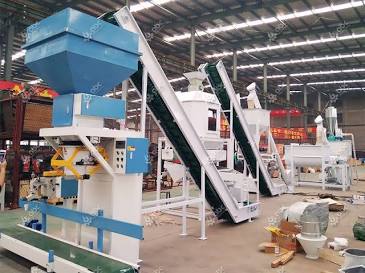
If local bylaws are not strictly enforced, if the government does not urgently provide affordable alternative cooking energy (like subsidized gas or briquettes made from agricultural waste), and if the unchecked felling of these economic trees is not criminalized, the Nigerian Shea tree will face total extinction.
We are literally setting fire to our future. And when the last Shea tree is burned, the smoke will clear to reveal unprecedented hunger and poverty.
What is the government doing about the soaring cost of cooking gas driving this destruction? Do you think heavy penalties should be placed on those cutting down Shea trees for charcoal? Drop your thoughts in the comment section and SHARE this crucial agricultural alert from www.abtnews.net to spread awareness!


 By
By