
If you’ve been following the news this week, you’ve likely seen the alarming headlines: a deadly viral outbreak aboard a cruise ship, emergency medical evacuations, and the World Health Organization (WHO) stepping in.
The culprit? A strain of the Hantavirus.
With the trauma of COVID-19 still fresh in our minds, it is completely natural to feel a sense of panic. Are we on the verge of another global pandemic? Will there be global lockdowns?
Take a deep breath. Here is everything the world needs to know about this virus, how it spreads, and why health experts are urging calm.
Is This a “New” Virus and Is There a Pandemic Risk?
First, the virus currently making headlines is not new. It is the Andes virus, a well-known strain of Hantavirus that is typically found in South America. It is currently in the news due to a rare outbreak aboard the MV Hondius, a cruise ship that departed from Argentina in early April 2026.
Could this become the next COVID-19?
The short answer is no. The WHO has explicitly stated that the global threat is extremely low. Dr. Maria Van Kerkhove of the WHO emphasized, “This is not COVID. This is a very different virus… It spreads very, very differently.”
Unlike the coronavirus, which spreads easily through the air via casual contact, Hantaviruses from what we currently know, are incredibly poor at spreading between humans. Therefore, the risk of a global pandemic or epidemic is near zero. Lockdowns are entirely unlikely and unnecessary for the general public.
How Does the Virus Spread?
Hantaviruses are primarily zoonotic, meaning they are spread by animals—specifically rodents (mice and rats).
- The Primary Route: People typically catch the virus by breathing in aerosolized dust contaminated with the urine, feces, or saliva of infected rodents. (For example, sweeping out an old, mouse-infested cabin).
- The Human-to-Human Route: The Andes strain of the virus is unique because it can spread from person to person. However, this is exceedingly rare and requires incredibly close, prolonged, and intimate contact (such as sharing a small cabin or a healthcare worker treating a severely ill patient without protective gear). You will not catch this virus by simply walking past someone in a grocery store.
Who is Most at Risk and Which Countries Are Involved?
Right now, the people at the highest risk are the passengers and crew who were aboard the MV Hondius cruise ship, as well as their immediate close contacts.
In terms of geography:
- Source Countries: The Andes virus is endemic to rural parts of Argentina and Chile. Investigators believe the initial patients contracted the virus while touring these areas before boarding the ship.
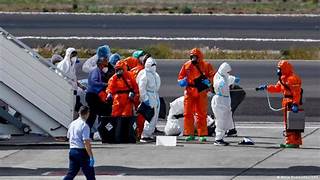
- Monitoring Countries: Because passengers disembarked or were medically evacuated, countries including the Netherlands, the UK, South Africa, Spain, France, Switzerland, Germany, and Cabo Verde are currently treating patients or monitoring exposed citizens. However, the wider public in these nations is not at risk.
What Are the Symptoms? Is There a Vaccine?
Hantavirus causes a severe disease known as Hantavirus Cardiopulmonary Syndrome (HCPS).
- The Symptoms: Symptoms can take anywhere from 1 to 8 weeks to appear after exposure. It begins with flu-like symptoms (fever, extreme fatigue, muscle aches, nausea, and stomach pain) and rapidly progresses to severe pneumonia, shortness of breath, and fluid in the lungs. It is a highly deadly virus, with a fatality rate of around 38% to 40%.
- Vaccines and Treatment: Currently, there is no vaccine and no specific cure for Hantavirus. Doctors rely on intensive supportive care, such as oxygen therapy, hydration, and mechanical ventilation, to help patients survive while their immune systems fight off the virus.
How Can People “Escape” the Virus?
Because this virus does not spread easily through communities, “escaping” it is highly manageable:
- Avoid Rodents: Keep your home and workspace clean and seal up any entry points for mice and rats.
- Clean Safely: If you find rodent droppings, do not sweep or vacuum them, as this kicks viral particles into the air. Instead, spray the area with a bleach solution, let it sit, and wipe it up with a wet paper towel while wearing gloves and a mask.
- Practice Basic Hygiene: Wash your hands frequently with soap and water.
What Should the World Health Organization (WHO) Do?
The WHO is currently doing exactly what is required to squash this isolated outbreak. They are coordinating a massive international response that includes:
- Strict Contact Tracing: Tracking down every passenger who left the cruise ship early and isolating them.
- Medical Evacuations: Moving sick patients safely to specialized high-containment hospitals.
- Symptom Monitoring: Mandating a 45-day monitoring period for anyone potentially exposed.
The Bottom Line for the World
What the world should know is that while Hantavirus is a fierce and dangerous illness for the individual who catches it, it is not a threat to global society. The current cruise ship outbreak is a localized tragedy, but thanks to the biological nature of the virus and the swift action of global health authorities, it will stop there.
Stay informed, keep your living spaces rodent-free, and rest easy knowing that a Hantavirus lockdown is not on the horizon.
For more breaking health updates and clear, factual reporting, keep following ABT NEWS at www.abtnews.net


 By
By