
ABT NEWS | Parenting & Child Development
When drawings mysteriously appear on the living room wall or biscuits vanish from the tin, most parents have heard the classic excuses: the dog did it, or perhaps a ghost is to blame even when the culprit is standing right there clutching crayons or covered in crumbs.
While children lying can be frustrating, child development experts have established that dishonesty is not only a normal but also a positive milestone in a child’s cognitive growth.
“It’s actually a skill that they’re developing and that they will play with in order to get better,” clinical psychologist Dr. Jade Redfern explained during an appearance on the CBeebies Parenting Download podcast.
Deception Starts Earlier Than You Think!
Although toddlers lack the verbal skills to spin complex tales, research suggests the roots of deception begin before a child even reaches their first birthday.
A study from the University of Bristol found that roughly a quarter of infants appear to understand basic forms of deception by just 10 months old. Professor Elena Hoicka, who led the research, noted how “surprisingly young” children can be when displaying cunning behavior—something she has witnessed firsthand as a mother of three.
“I can certainly vouch for how artful and wily they can be,” Prof. Hoicka said. “Hiding under the table or in the bathroom to eat sweets or chocolate is their common ploy.”
How Lying Evolves With Age
As children grow, their approach to bending the truth becomes noticeably more sophisticated:
- Age Two: Deception is relatively simple, such as denying an obvious action, pretending not to hear a parent’s instructions, sneaking a peek inside a forbidden bag, or suddenly claiming to need the toilet the moment it is time to tidy up.
- Age Three: With a stronger grasp of language and social dynamics, children become far more creative. They also learn how to strategically withhold information—for example, accurately reporting that a sibling hit them while conveniently leaving out the fact that they threw the first punch.
The Link Between Fibs and Empathy
According to Dr. Redfern, these early deceptions are a strong indicator that a child is developing “theory of mind”—the crucial cognitive realization that other people have their own thoughts, beliefs, and perspectives separate from their own.
“As children grow up, we want them to learn and develop the skill that they are their own human being with a separate mind and intentions,” Dr. Redfern noted. “This is how [they] develop the skills in empathy, or being able to think about another person’s thoughts and feelings that might differ from their own.”
Why Kids Lie and How Parents Can Encourage Honesty
Beyond testing their cognitive abilities, children frequently lie out of self-preservation. Because kids rely heavily on their caregivers, they instinctively want to protect that bond and avoid causing disappointment or anger.
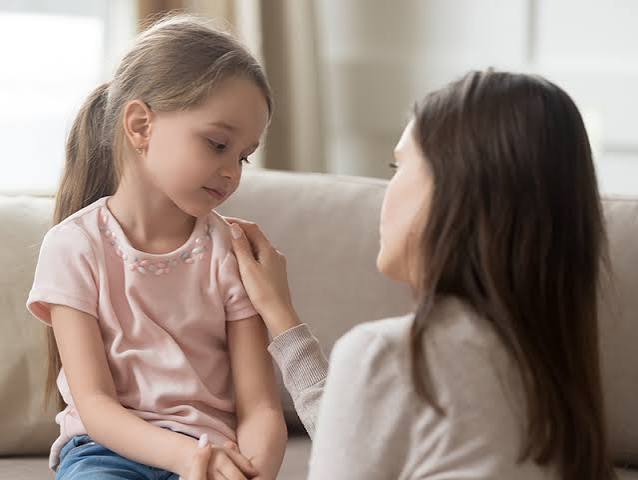
To foster honesty, Dr. Redfern advises parents to create an emotionally safe environment where admitting a mistake doesn’t feel threatening.
Rachel Duffy, winner of the latest series of The Traitors and a mother of three, shared on the podcast how she puts this into practice. When her eldest son borrowed his brother’s bike and damaged it after crashing into a car, his initial instinct was to lie about what happened.
“I said to him, ‘You’ll not get into big trouble when you tell me the truth.’ I just left and gave him a little space,” Duffy recalled. “And he went, ‘Yeah, that was me.’ And then he knew that space was safe. We had a conversation—no raised voices, no roaring or shouting.”
Navigating Brutal Honesty
Of course, parenting also involves teaching children when total honesty might hurt someone’s feelings—such as receiving an unwanted gift or commenting on someone’s appearance.
Dr. Redfern shared that her own children recently pointed out that she looked “very wrinkly.” Rather than reacting negatively, she recommends meeting these moments with open curiosity and calm conversation. By modeling empathy and discussing how words affect others, parents can help children navigate the delicate balance between truthfulness and kindness as they grow.


 By