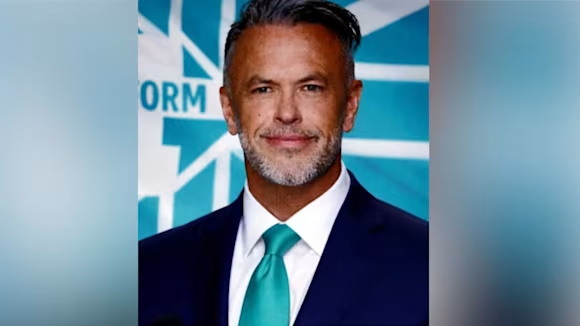
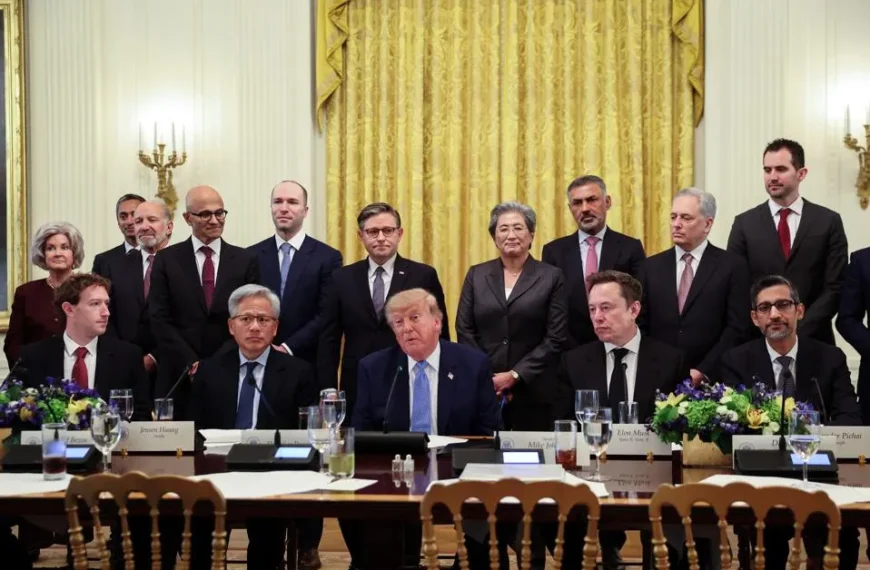
In a seismic shockwave across global technology markets and the artificial intelligence industry, Jensen Huang has resigned as Chief Executive Officer, President, and board member of Nvidia, effective immediately. The sudden departure ends a historic 33-year run at the helm of the semiconductor giant he co-founded in 1993, leaving Wall Street and Washington scrambling to assess the fallout.
Nvidia’s board of directors has appointed longtime Chief Financial Officer Colette Kress as interim CEO while initiating a formal search for a permanent successor. News of Huang’s exit initially sent Nvidia shares plummeting by more than 13% when US markets opened, though the stock has since clawed back a portion of those losses as investors digest the leadership transition.
A “Classic Human Story of Hubris”
The 63-year-old executive’s downfall follows days of mounting pressure over his personal conduct. On Sunday, Huang admitted to an extramarital affair with a woman from another firm—an individual reportedly suspected by US authorities of being a Chinese intelligence operative. The crisis escalated sharply after The New York Times reported that Huang had also engaged in a second affair with an executive within Nvidia.
Both Nvidia’s board—which has retained an external law firm—and the FBI are actively investigating the matter, raising urgent questions regarding corporate governance, potential breaches of Nvidia’s strict code of conduct, and national security risks at the heart of the US-China AI race. Meanwhile, Beijing has issued a sharp warning to Washington not to weaponize the espionage allegations as a pretext for imposing fresh export restrictions on American technology sales to China.
Stephen Witt, author of the acclaimed Huang biography The Thinking Machine, described the departure to BBC Newsnight as “one of the most incredible downfalls of a corporate executive in recent history.” Having interviewed Huang six times, Witt noted that while the chipmaker’s founder is a “world-class computer scientist” and “very brilliant,” his leadership was also marked by “a level of arrogance” and “self-deception.”
“It’s almost impossible to imagine the company without him, as he’s been the only chief executive this company has ever known,” Witt said. “This is the age of AI, but this is a human story. This is a very classic human story of hubris, masculine hubris and overconfidence. Some things never change.”
Trump Weighs In: “A Legend Replaces a Legend!”
As speculation swirls over who will permanently steer the multi-trillion-dollar AI powerhouse, US President Donald Trump wasted no time injecting himself into the succession debate via Truth Social.
“NOW THAT Nvidia CEO JENSEN HUANG, who has done a fantastic job, has resigned, there is only one man to take his place – TIM COOK of Apple. A Legend replaces a Legend!” — President Donald Trump
Cook, who stepped down as Apple’s chief executive in August after more than a decade transforming the iPhone maker, currently serves as executive chair of Apple’s board. While Trump’s endorsement carries political weight, industry analysts note that Cook’s current board role and potential non-compete agreements could complicate any move to a rival tech titan.
What Comes Next for Nvidia?
For now, stability rests on the shoulders of Colette Kress, who has served as Nvidia’s CFO since 2013 and will retain her financial duties alongside her interim CEO mandate. Alongside Kress, longtime director Harvey C. Jones has been named Nvidia’s first-ever board chair.
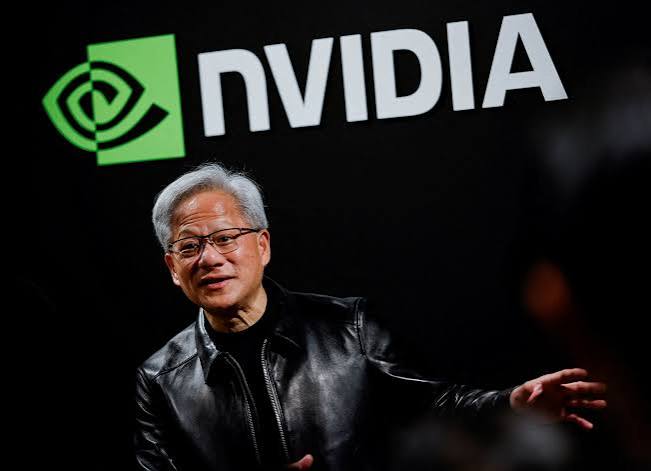
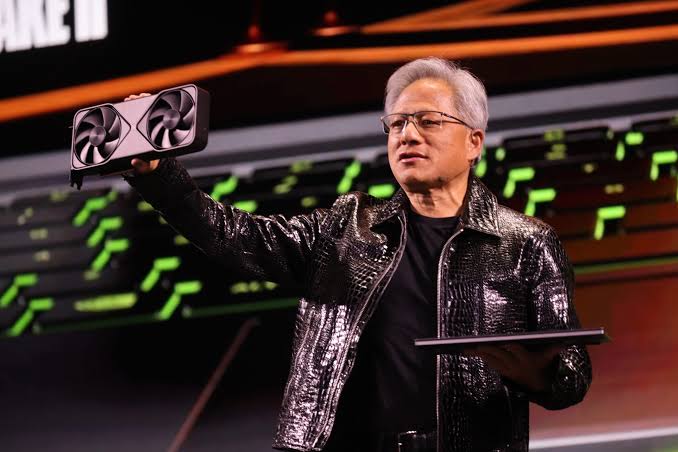
With Nvidia’s third-quarter fiscal results scheduled for release on November 17, all eyes will be on whether Kress and the board can reassure institutional investors, customers, and regulators that the company’s AI dominance remains intact without its iconic leather-jacket-wearing founder.





 By