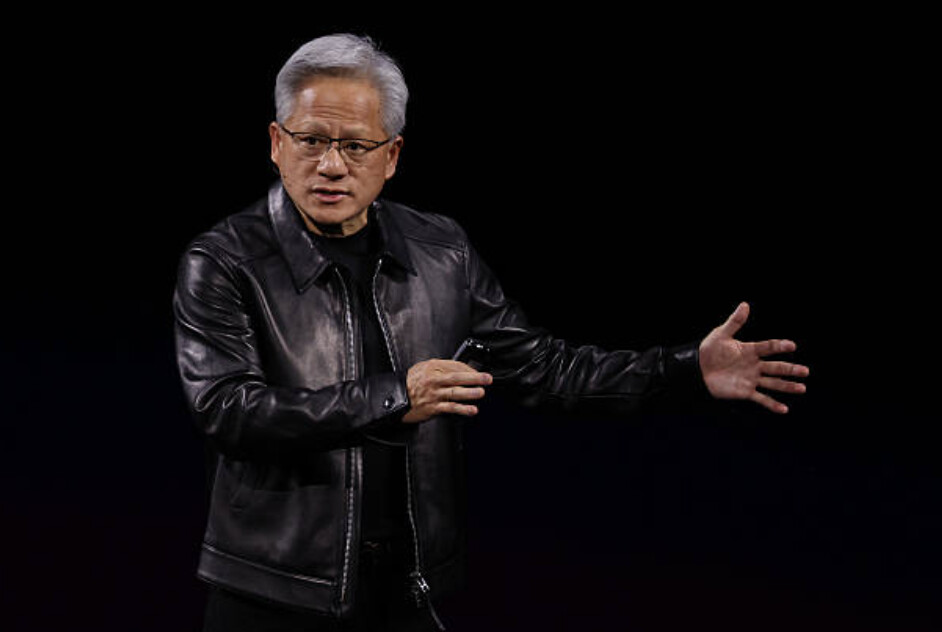

Nvidia’s chief executive faces a governance firestorm, an internal investigation, and national security questions after admitting to an affair with an executive linked to Chinese intelligence.
The Revelation That Shook Silicon Valley
In an emotional memo sent to employees, Nvidia CEO Jensen Huang admitted to having an extramarital affair.
“I was unfaithful to my wife,” Huang wrote. “My actions hurt her and our children. There is no excuse for what I did.”
The admission followed a bombshell report revealing that U.S. intelligence agencies had determined the woman in question, an executive for an Asian tech firm, to be operating as a spy for Beijing’s Ministry of State Security.
Nvidia’s board of directors immediately launched an independent investigation into Huang’s conduct and potential security exposure. While the board stated it has “no reason to believe that either national security or Nvidia secrets were compromised”, the announcement sent shockwaves through financial markets, causing Nvidia shares to drop in pre-market trading.
More Than Just an Nvidia Problem
The fallout from this scandal extends far beyond Nvidia’s headquarters. Few executives in Silicon Valley are as inextricably tied to their corporate identity as Jensen Huang. As the chief architect of Nvidia’s dominance, Huang has positioned his company at the absolute center of the global artificial intelligence boom.
Nvidia’s influence permeates the entire technology ecosystem:
- Infrastructure backbone: Its GPUs power the massive data centers driving modern AI models.
- Ecosystem investor: The company maintains extensive investments in AI startups, circular financing arrangements, and tech IPOs.
- Geopolitical focal point: Its high-performance hardware sits directly at the center of U.S.-China trade tensions and export restrictions.
This uncertainty arrives at a perilous moment for the tech sector. Following recent shifts in Washington’s political landscape, the AI industry is already grappling with heightened regulatory scrutiny over data centers and export controls. A crisis surrounding AI’s standard-bearer threatens to ripple across broader U.S. tech stocks.
Key Man Risk & Governance Challenges
For Nvidia’s board, the investigation represents an unprecedented character and governance test. The scandal highlights three critical vulnerabilities facing the sector:
- The Risk of the Founder-CEO: When a single leader embodies a trilllion-dollar ecosystem, corporate governance becomes complicated. The board must balance key-man dependency against the imperative of independent oversight.
- Human Targets in High-Tech Warfare: Despite sophisticated cybersecurity defenses, human relationships remain the softest target for social engineering and honeytraps. High-level corporate espionage often bypasses firewalls to focus on key decision-makers.
- Export Controls Under Pressure: Washington’s AI strategy relies heavily on keeping advanced semiconductors out of Beijing’s hands. Revelations that intelligence targets could bypass corporate security through personal access undermine trust in self-regulated tech compliance.
What Comes Next?
Whether Jensen Huang can navigate this crisis depends on the board’s willingness to enforce strict governance measures. Industry analysts suggest that establishing clear succession plans or appointing interim co-leadership could prove vital in stabilizing investor confidence and preserving operational stability.
As the independent probe proceeds, the central question remains: Will governance and national security concerns outweigh the value of AI’s iconic leader, or will Jensen Huang remain “too big to fail”?



 By