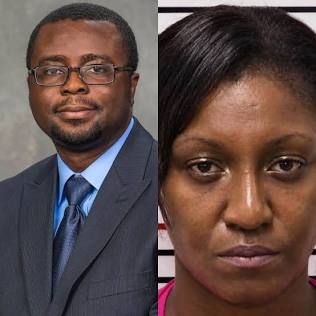

Stroke now killing the Young
You are young, ambitious, AND working hard every single day to build your future. For generations, we’ve viewed strokes as an “old person’s disease” that only our grandparents had to worry about. You feel perfectly healthy, you live an active life, AND you assume your youth is an impenetrable shield against serious cardiovascular emergencies.
The Shocking Reality
BUT a staggering new global study has just shattered that illusion, revealing that strokes in young adults have nearly doubled over the last three decades.
For young adults across Africa, this news is a blaring siren. While stroke risks tied to metabolic factors are dropping in other parts of the world, in Sub-Saharan Africa, they are actively surging. The landmark SIREN study, which closely examined stroke patients across Nigeria and Ghana, uncovered a terrifying reality: nearly 9 out of 10 strokes in people under 50 are driven by high blood pressure.
High blood pressure is a silent killer. Because it rarely shows symptoms, millions of young Africans are walking around with dangerously high levels right now, completely unaware until a catastrophic medical emergency strikes during their most productive years.
The Call to Action
THEREFORE, we must completely change how we view preventative health in our 20s, 30s, and 40s. You cannot afford to wait for symptoms to appear before seeking help.
Take control of your future today by following these vital steps:
1.Check Your Blood Pressure:
Stop assuming you are fine just because you feel fine. Visit a local clinic, pharmacy, or use a home monitor to check your blood pressure this week.
2.Investigate Your Family History:
If your parents, aunts, or grandparents suffered from hypertension or strokes, your genetic risk is significantly higher. Use this knowledge to get screened earlier and more frequently.
3.Moderate Your Lifestyle:
Cut back on excess salt, reduce highly processed foods, limit alcohol, and maintain regular physical activity to keep your blood vessels healthy.
4.Normalize the Conversation:
Encourage your peers to get tested. We must stop associating hospital visits only with being severely sick. Routine check-ups save lives.
The Campaign Takeaway: Your youth is an asset, not a guarantee. Don’t let a preventable condition steal your future. Know your numbers, protect your brain, and spread the word!
How to recognize Stroke symptoms
Recognizing the warning signs of a stroke immediately is critical. When a stroke occurs, every minute without treatment causes millions of brain cells to die (“Time is Brain”).
In young adults, stroke symptoms are frequently misattributed to severe migraines, extreme fatigue, vertigo, or anxiety, which leads to dangerous delays in medical care.
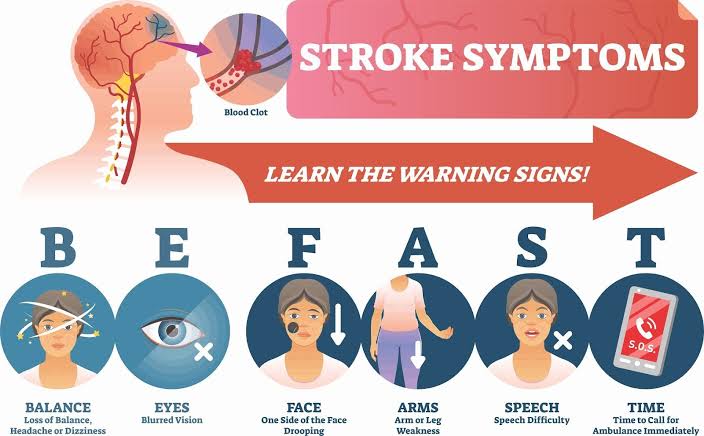
The “BE FAST” Warning Signs
Medical experts recommend remembering the acronym BE FAST to spot early symptoms:
- B – Balance: Sudden loss of balance, dizziness, or severe difficulty walking.
- E – Eyes: Sudden vision changes in one or both eyes (such as double vision, partial vision loss, or blurred vision).
- F – Face Drooping: One side of the face sags or feels numb. Ask the person to smile to see if the smile is uneven.
- A – Arm Weakness: Sudden weakness or numbness in one arm or leg, typically on one side of the body. Ask the person to raise both arms—does one drift downward?
- S – Speech Difficulty: Slurred speech, difficulty finding words, or an inability to speak or understand spoken language. Ask them to repeat a simple phrase.
- T – Time to Call Emergency Services: If you notice any of these signs, even if they disappear, call emergency services (e.g., 999 or 911) right away.
Other Common Symptoms in Young Adults
- Sudden, explosive headache: Often described as the “worst headache of your life” (thunderclap headache) with no clear cause.
- Confusion or memory loss: Sudden trouble understanding simple instructions or spatial disorientation.
- Sudden numbness or tingling: Especially down one side of the face, arm, or leg.
Immediate Steps to Take
If you suspect you or someone else is having a stroke, follow these steps immediately:
1.Call Emergency Services Immediately:
Do not wait to see if symptoms pass. Request an emergency response team right away—paramedics can begin assessment and treatment on the way to the hospital.
2.Note the Exact Time Symptoms Started:
Write down or remember the precise time symptoms began. Critical stroke treatments (such as clot-busting medications) must be administered within a strict 3- to 4.5-hour window.
3.Stay Safe and Still:
Sit or lay down immediately to prevent falls. If helping someone else, position them comfortably on their side with their head slightly elevated to assist breathing.
4.Do NOT Administer Food, Drink, or Medication:
Avoid giving the person food, water, or aspirin. Strokes can impair swallowing, leading to choking, and taking aspirin can worsen hemorrhagic (bleeding) strokes.

 By
By