
By Diamond Bonny | www.abtnews.net
Nigeria has set a bold ambition to become a $1 trillion economy by 2030. While thinking at this massive scale is commendable, an economy of this size is built by creating enough value to make the number inevitable, rather than simply announcing it.
The Math Behind the Ambition
The Nigerian economy is currently moving in a positive direction, with Real GDP growing by 4.43% in the second quarter of 2026, marking an increase from the 3.89% growth seen in the first quarter. However, ambition must be balanced with arithmetic. The Federal Government’s economic team acknowledges that hitting the trillion-dollar milestone requires a sustained annual growth rate of roughly 10–12%.
Building a Stronger Foundation
The primary issue is not a lack of ambition, but whether the structural foundations can support it. Achieving this milestone depends on addressing several critical sectors:
- Electricity: Global competitiveness is impossible for manufacturers when energy remains an expensive and unpredictable business cost.
- Transportation: Poor logistics can destroy the value of goods between the farm and the final market, negating increased agricultural production.
- Capital: Young companies are unable to scale effectively if long-term financing is prohibitively expensive or scarce.
- Skills: Nigeria’s massive population will only become an economic advantage if proper education and training enable citizens to create and earn more.
- Policy: Investors can tolerate business risk, but they struggle with uncertainty regarding future government rules.
Encouraging Signals and Necessary Actions
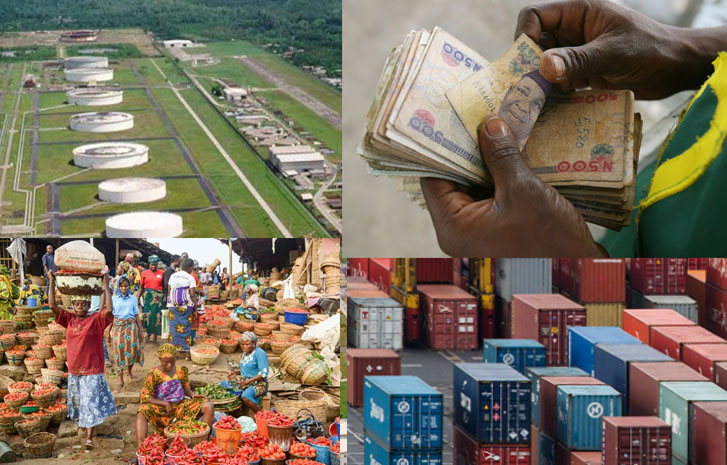
There are already positive signs in the market. Improved macroeconomic stability and recent investment activity indicate that major Nigerian assets can attract significant capital. For example, the approved $1.6 billion IPO for the Dangote Refinery proves that massive financing can be mobilized for major enterprises.
However, a single refinery cannot carry the weight of a national economic transformation. The government must focus on creating conditions where millions of economic decisions work in the country’s favour. This involves building cost-reducing infrastructure, maintaining security, simplifying regulations, expanding access to long-term finance, and maintaining policy consistency so businesses can plan beyond the current budget cycle.
Prosperity Over Statistics
“GDP should measure the size of the economy. Living standards should measure the success of the economy.”
Above all economic targets sits one vital question: what does this mean for the quality of life of the Nigerian citizen? The ultimate goal of a larger economy is to produce a better life, where a worker’s income rises faster than living costs, and where young people can find opportunities without leaving the country.
If the economy hits $1 trillion but ordinary citizens remain trapped by high prices and weak purchasing power, the country will have achieved a larger economy without achieving actual prosperity. The true victory will not be crossing a financial threshold, but the day an ordinary Nigerian can confidently say, “Life has actually become better”.


 By
By