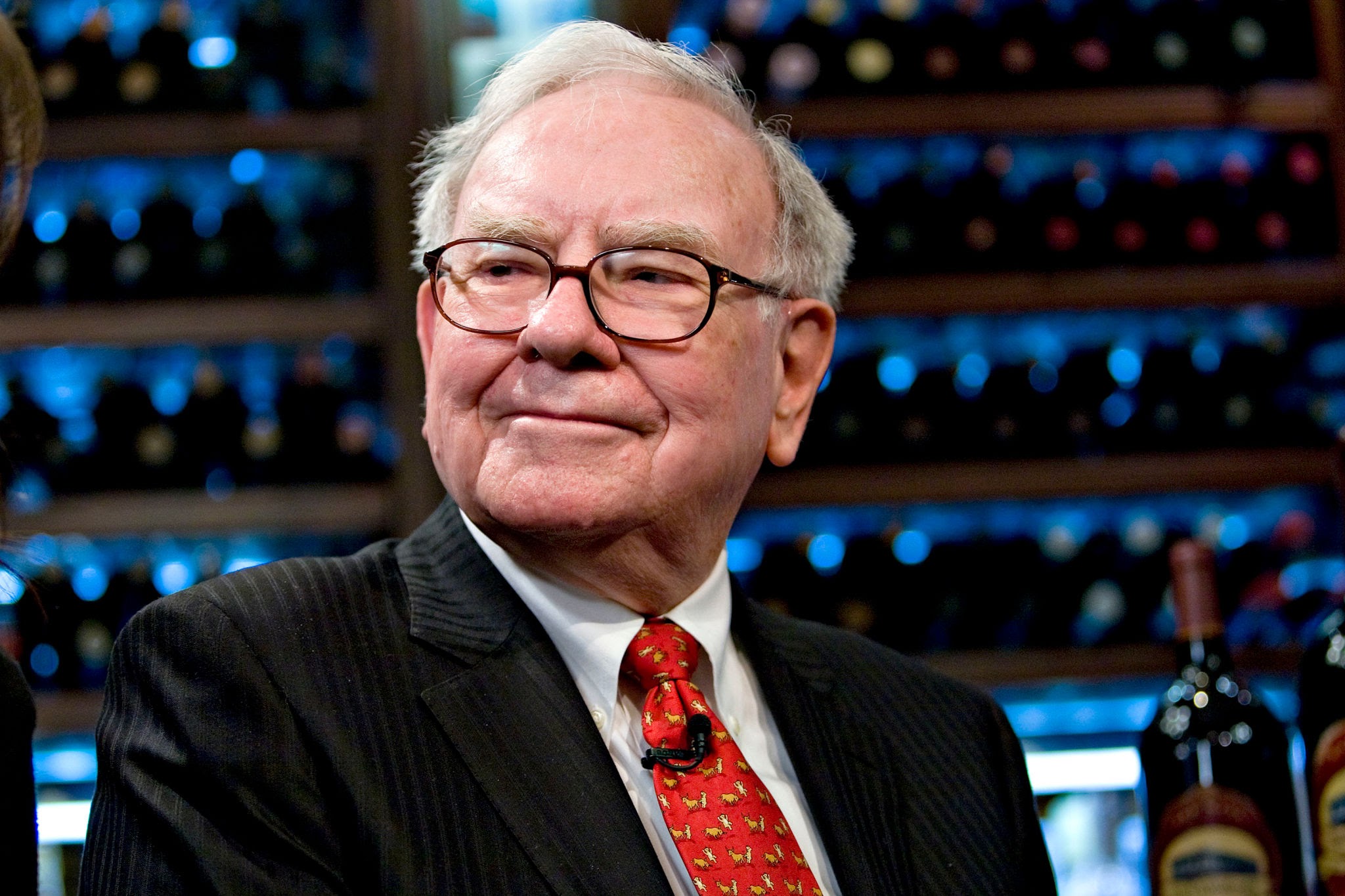

“I will tell you how to become rich. Close the doors. Be fearful when others are greedy. Be greedy when others are fearful.”
— Warren Buffett
In an era dominated by high-frequency trading, viral stock trends, and relentless financial noise, the foundational principles of long-term wealth creation can easily be lost. Yet, legendary investor Warren Buffett—the “Oracle of Omaha”—distills decades of market-beating returns into a simple, timeless formula.
Buffett’s iconic quote highlights three essential pillars of contrarian investing: discipline, psychological control, and opportunistic courage.
1. “Close the Doors”: Filtering Out the Market Noise
The instruction to “close the doors” serves as a command to disconnect from daily market hysteria. In today’s hyper-connected environment, investors are constantly bombarded with speculative commentary, short-term earnings hype, and social media trends.
Closing the doors requires:
- Independent Analysis: Evaluating a company’s fundamentals rather than following crowd consensus.
- Emotional Insulation: Preventing market volatility and hype from dictating investment decisions.
- Strict Selectivity: Focusing solely on businesses within your “circle of competence” rather than attempting to catch every trend.
2. “Be Fearful When Others Are Greedy”: Navigating Market Euphoria
Market tops are fueled by irrational exuberance. When asset prices surge, valuations stretch, and retail enthusiasm reaches a fever pitch, systemic risk escalates rapidly.
Buffett warns that when buying becomes indiscriminate, prudence must take over:
- Identifying Overvaluation: Exercising restraint when prices decouple from underlying cash flows and business earnings.
- Capital Preservation: Holding cash or low-risk assets rather than buying into market bubbles driven by FOMO (Fear Of Missing Out).
3. “Be Greedy When Others Are Fearful”: Capitalizing on Panic
Economic downturns and market panics create wide-scale sell-offs. During these periods, market sentiment plunges, and high-quality companies are often sold off alongside weaker ones at deeply discounted valuations.
For disciplined investors, panic presents a generational buying opportunity:
- Value Acquisition: Purchasing durable, moat-protected businesses at a fraction of their intrinsic value.
- Courage in Crisis: Having the fortitude to deploy capital when prevailing headlines predict doom.
Contrarian Strategy vs. Retail Traps
| Scenario | Buffett’s Strategy | Common Investor Mistake |
| Market Peak (Euphoria) | Exercises caution; accumulates cash reserves | Buys aggressively at peak prices due to FOMO |
| Market Bottom (Panic) | Deploys capital into discounted, high-quality assets | Sells in panic at bottom prices to cut losses |
| Information Gathering | Focuses on annual reports and long-term moats | Chases short-term news cycles and viral tips |
| Time Horizon | Decades or permanent holding periods | Days, weeks, or quarters |
The ABT Takeaway
Investing success is rarely determined by predicting short-term price movements—it is governed by emotional discipline. By shutting out external clamor, exercising caution during speculative bubbles, and acting decisively during panics, investors can put one of history’s most proven financial philosophies to work.



 By
By

 By
By