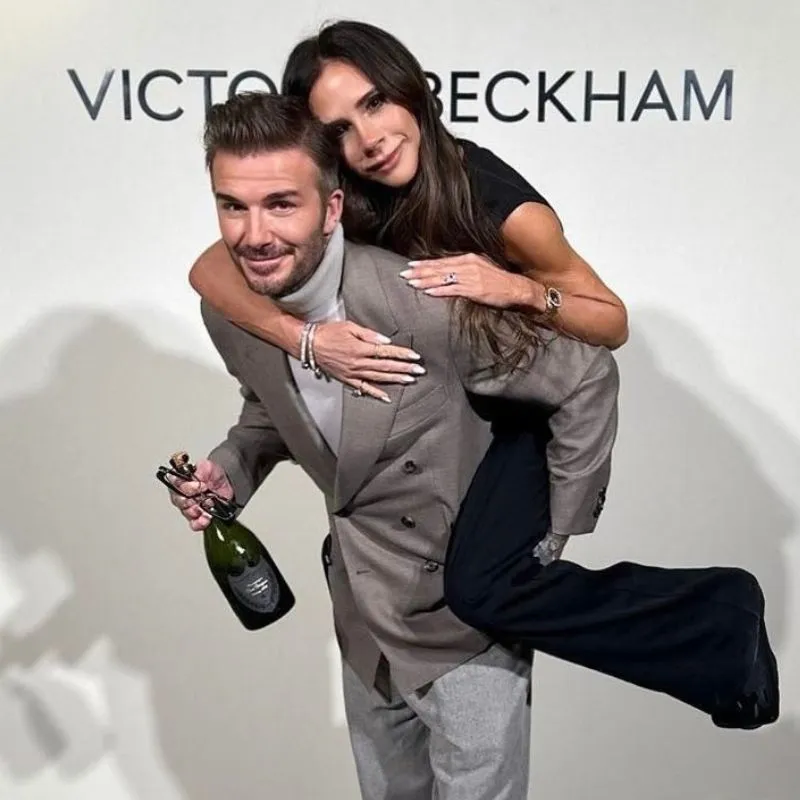

How a pop icon turned fashion underdog overcame astronomical burn rates, structural inefficiencies, and industry skepticism to build a £130 million luxury power house.
It is a milestone that a few fashion houses and even fewer celebrity founders ever reach after nearly two decades in the red.
For 18 long years, the fashion and beauty empire of Victoria Beckham Holdings Ltd was defined as much by its persistent cash drain as by its sleek, red-carpet silhouettes. With accumulated losses surpassing £69 million and an operational burn rate that once hemorrhaged £4,000 per day, critics routinely dismissed the label as an expensive celebrity vanity project kept afloat solely by husband Sir David Beckham’s commercial empire.
Now, the narrative has shifted fundamentally. Financial filings reveal that Victoria Beckham Holdings achieved a record £7.3 million operating profit, driven by a 15% surge in total annual revenues to £129.8 million.
The breakthrough marks one of the most remarkable corporate turnarounds in modern luxury retail. But why did profitability take nearly two decades to achieve? What kept the former Spice Girl from abandoning the enterprise? And what crucial lessons does her journey hold for entrepreneurs and celebrity brand builders worldwide? Fantastic Questions!
1. Why Did It Take 18 Years? The Anatomy of a Long Deficit
The fashion industry is notoriously capital-intensive, but Victoria Beckham’s path to profitability was hindered by a series of structural and operational missteps during the brand’s formative years:
- The High-Cost, Low-Margin Trap: For over a decade, the business was almost exclusively focused on high-end Ready-to-Wear (RTW) apparel. High-luxury garments carry immense overheads—expensive fabrics, elite atelier labor, runway presentations in New York and Paris, and prime retail rents. Without a high-margin volume product to subsidize these costs, the fashion line lost money on virtually every collection.
- Overreliance on Wholesale Distribution: Early on, the label relied heavily on traditional wholesale department store models rather than Direct-to-Consumer (DTC) channels. Wholesale buyers demanded steep discounts and extended payment terms, slashing net margins.
- Aesthetic Extravagance Over Fiscal Discipline: Private equity audits later exposed staggering operational waste born from an unyielding commitment to luxury optics without commercial controls. The company was famously spending over £70,000 annually on office plants, with an additional £15,000 spent just to water them, alongside flying bespoke luxury furniture across the globe for office spaces.
- The “Celebrity Tax” & Employee Hesitation: In the early years, corporate culture suffered from an environment where executives hesitated to say “no” to creative whims. Overcoming the industry bias against “pop-star designers” also required spending lavishly to earn credibility alongside legacy French and Italian heritage houses.
2. What Kept Her Going? Lifelines, Grit, and Believers
Victoria Beckham has candidly described the brand’s hardest financial periods as a “dark, dark time” where she felt like a daily firefighter, admitting the venture nearly destroyed her financially. Two primary pillars kept the brand solvent long enough to engineer a turnaround:
The David Beckham Lifeline
Without the financial engine of Beckham Brand Holdings, the fashion label would have folded long before reaching maturity. Over 15 years, the wider Beckham empire extended over £30 million in inter-company loans and working capital injections to keep operations running. Sir David’s belief in Victoria’s vision provided the crucial runway that independent designers rarely receive.
Institutional Private Equity Discipline
In 2017, London-based NEO Investment Partners acquired a 30% stake for £30 million. Led by investor David Belhassen, NEO introduced rigorous corporate governance, restructured pricing architecture, streamlined supply chains, and installed experienced executive management, most notably appointing former CEO Marie Leblanc.
“If he hadn’t believed in me, I wouldn’t still have a business now… We have all worked hard for a long time for this moment of profitability and growth.”
— Victoria Beckham
3. The Pivot: How Beauty & DTC Rewrote the Balance Sheet
The catalyst that ultimately transformed Victoria Beckham Holdings from a loss-making fashion project into a £130M enterprise was a deliberate strategic pivot launched in October 2019: Victoria Beckham Beauty (VBB).
┌─────────────────────────────────────────────────────────────────────────┐
│                    THE THREE-PILLAR TURNAROUND STRATEGY                  │
├─────────────────────────────────────────────────────────────────────────┤
│ 1. HIGH-MARGIN BEAUTY   │ Hero products like £104 Foundation Drops &  │
│                         │ £32 Eyeliners unlocked 70%+ gross margins.  │
├─────────────────────────┼───────────────────────────────────────────────┤
│ 2. DTC DIGITIZATION     │ Accelerated proprietary e-commerce sales,     │
│                         │ bypassing traditional wholesale margin cuts.  │
├─────────────────────────┼───────────────────────────────────────────────┤
│ 3. CATEGORY EXPANSION   │ Scaled high-margin Leather Goods, Eyewear,    │
│                         │ and fine fragrances ($200/bottle).            │
└─────────────────────────┘───────────────────────────────────────────────┘
- The Beauty Engine: Beauty products carry significantly higher gross margins than luxury clothing. Items like the Satin Kajal Liner and the £104 Foundation Drops (developed in collaboration with luxury skincare scientist Augustinus Bader) became viral commercial hits. The Foundation Drops launch alone accrued a 25,000-person waiting list and doubled the skincare division’s size. By 2024–2025, beauty accounted for nearly half of all brand revenues.
- Omnichannel & Social Scaling: Following the viral success of the 2023 Netflix documentary Beckham, Victoria’s digital footprint expanded rapidly, doubling her TikTok reach and driving massive Direct-to-Consumer (DTC) traffic to her e-commerce platform.
4. Core Competencies: Does She Have What It Takes to Sustain It?
Sustaining profitability in luxury retail requires more than a single good year. Victoria Beckham’s core business competencies suggest her brand has built a durable foundation:
- Unflinching Brand DNA & Aesthetic Clarity: She has mastered a distinct aesthetic identity—tailored minimalism, modern femininity, and quiet luxury—that resonates with high-net-worth consumers globally.
- Strategic Co-Branding & R&D Partnerships: Rather than white-labeling cheap cosmetics, she partnered with premium scientific authorities like Augustinus Bader and elite perfumers like Jérôme Epinette, cementing true luxury credibility.
- Product-Category Rebalancing: By scaling Leather Goods alongside Ready-to-Wear, the business has captured recurring, non-seasonal cash flows.
With planned expansion into Asian and Middle Eastern markets, the company is positioned to leverage its established DTC network for sustained margin expansion.
5. Critical Lessons for Entrepreneurs & Celebrity Founders
The 18-year saga of Victoria Beckham Holdings offers a masterclass in enterprise building, corporate restructuring, and brand endurance:
Lesson 1: Passion Requires a Margin Model
Creative vision and high-end positioning cannot overcome poor margin mathematics. Sustainable growth requires high-margin, scalable entry points (like cosmetics or accessories) to fund aspirational, capital-intensive core lines.
Lesson 2: Capital Buys Time, But Systems Create Survival
Subsidization from personal wealth or private equity is merely a temporary shield. Survival depends on auditing operational waste, appointing professional executive management, and holding every department accountable to P&L realities.
Lesson 3: Own Your Distribution Channel
Relying exclusively on third-party wholesale retailers severely caps margin potential. Transitioning to a Direct-to-Consumer (DTC) e-commerce strategy builds direct customer equity and protects net margins.
Lesson 4: True Perseverance Outlasts Skepticism
Shedding a label like “celebrity vanity project” requires decades of consistent product quality and operational resilience. As Victoria Beckham proved, long-term success often belongs to those who refuse to leave the field when losses accumulate.
For further updates on corporate strategy, luxury retail economics, and global enterprise trends, visit ABT NEWS at www.abtnews.net.



 By
By