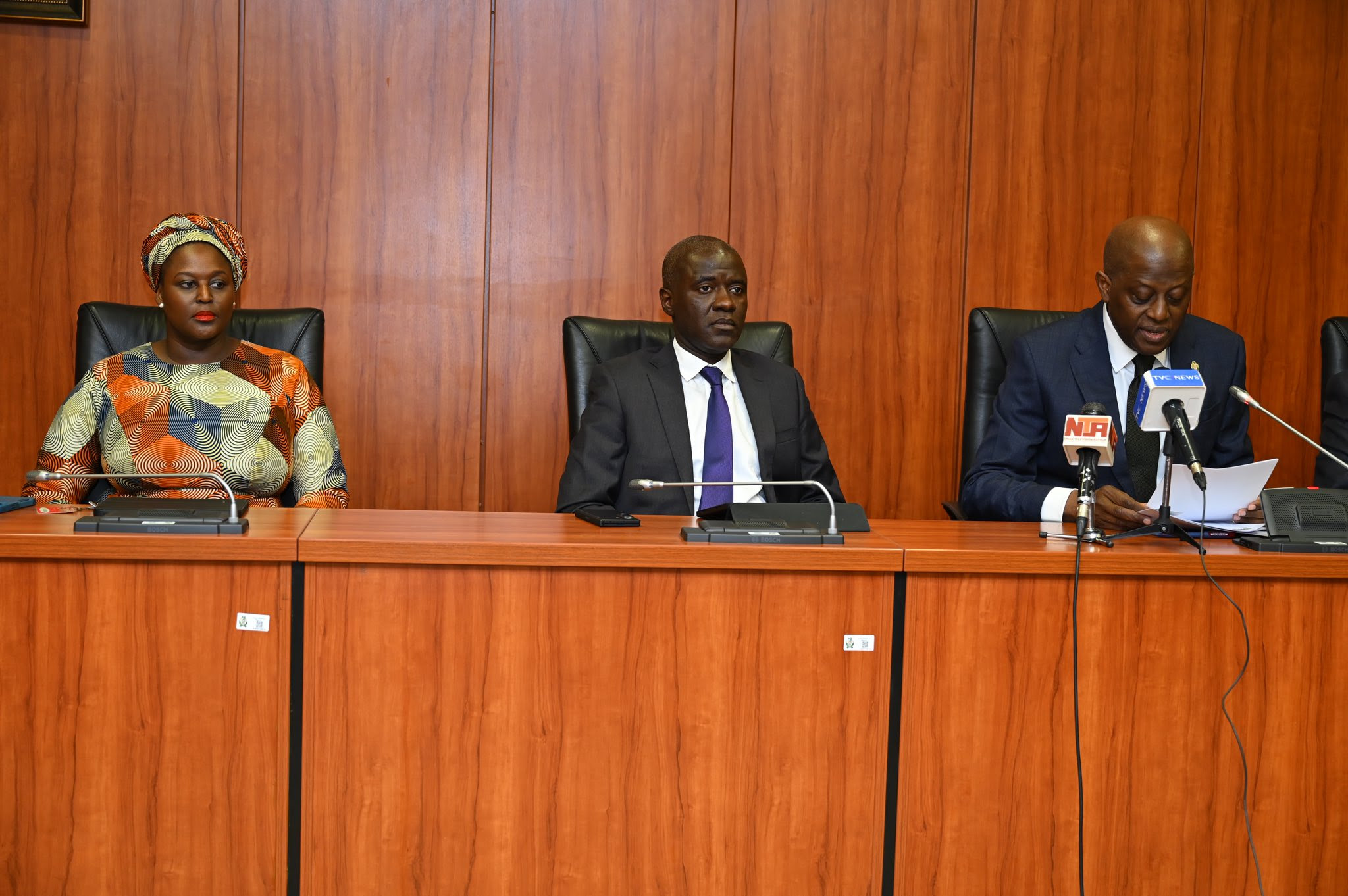

ABUJA — In a decisive move to fortify Nigeria’s digital economy, the Central Bank of Nigeria (CBN) and the Nigerian Communications Commission (NCC) have officially joined forces to close the “back door” exploit used by financial fraudsters.
The two regulators have signed a landmark agreement to grant commercial banks real-time access to telecommunications data, a move designed to cripple the rising tide of SIM-related financial crimes that cost the nation a staggering ₦52.26 billion ($37.86 million) in 2024 alone.
The SIM: From Communication Tool to “Identity Anchor”
For years, the Achilles’ heel of Nigerian digital banking hasn’t been a lack of encryption, but the evolution of the SIM card. In modern Nigeria, your phone number is your identity. However, this “identity anchor” has been weaponized through:
- SIM Swapping: Fraudsters take over a victim’s mobile identity to intercept One-Time Passwords (OTPs).
- Number Recycling: Fraudsters exploit reassigned numbers to gain access to the previous owner’s linked bank accounts.
By the time a victim realizes their phone line is dead, their life savings are often already gone.
Introducing TIRMS: The New Intelligence Hub
At the heart of this partnership is the Telecom Identity Risk Management System (TIRMS). This centralized platform acts as a digital “background check” for mobile numbers.
Under the new setup, when you initiate a high-value transaction or attempt to reset a PIN, your bank won’t just ask for an OTP—it will ask the TIRMS system for the “health” of your phone number.
What the banks can now see in real-time:
- Recent Alterations: Has the SIM been swapped in the last 24 hours?
- Reassignment Status: Is this a recycled number recently sold to a new user?
- Activity Flags: Has this number been flagged for suspicious behavior across other networks?
- Inactivity: Is the number currently inactive or roaming unexpectedly?
“Fraud cases succeed when systems are disconnected. By bridging the gap between telecom data and banking ledgers, we are moving from reactive policing to proactive prevention,” an industry insider told ABT NEWS.
Will This End Financial Fraud?
While TIRMS is a massive leap forward, experts warn it isn’t a “silver bullet.” It effectively closes the most common entry point for identity farming, but it does not account for social engineering—where users are tricked into voluntarily giving up their credentials.
Furthermore, some regulatory “gray areas” remain. It is currently unclear:
- Autonomy: Will banks have the legal power to report compromised numbers directly to law enforcement?
- Redress: How will legitimate customers be handled if they are “falsely flagged” due to a technical glitch in the TIRMS platform?
The Bottom Line
For the average Nigerian, this collaboration means an extra layer of “invisible” security. If a fraudster tries to move money using a freshly swapped SIM, the bank can now see the “red flag” on the telecom side and pause the transaction before the money leaves the vault.
In a landscape where systems have historically operated in silos, this NCC-CBN alliance is a clear signal that the regulators are finally talking to each other—and the fraudsters should be worried.
Stay tuned to ABT NEWS at www.abtnews.net for further updates on this story.


 By
By