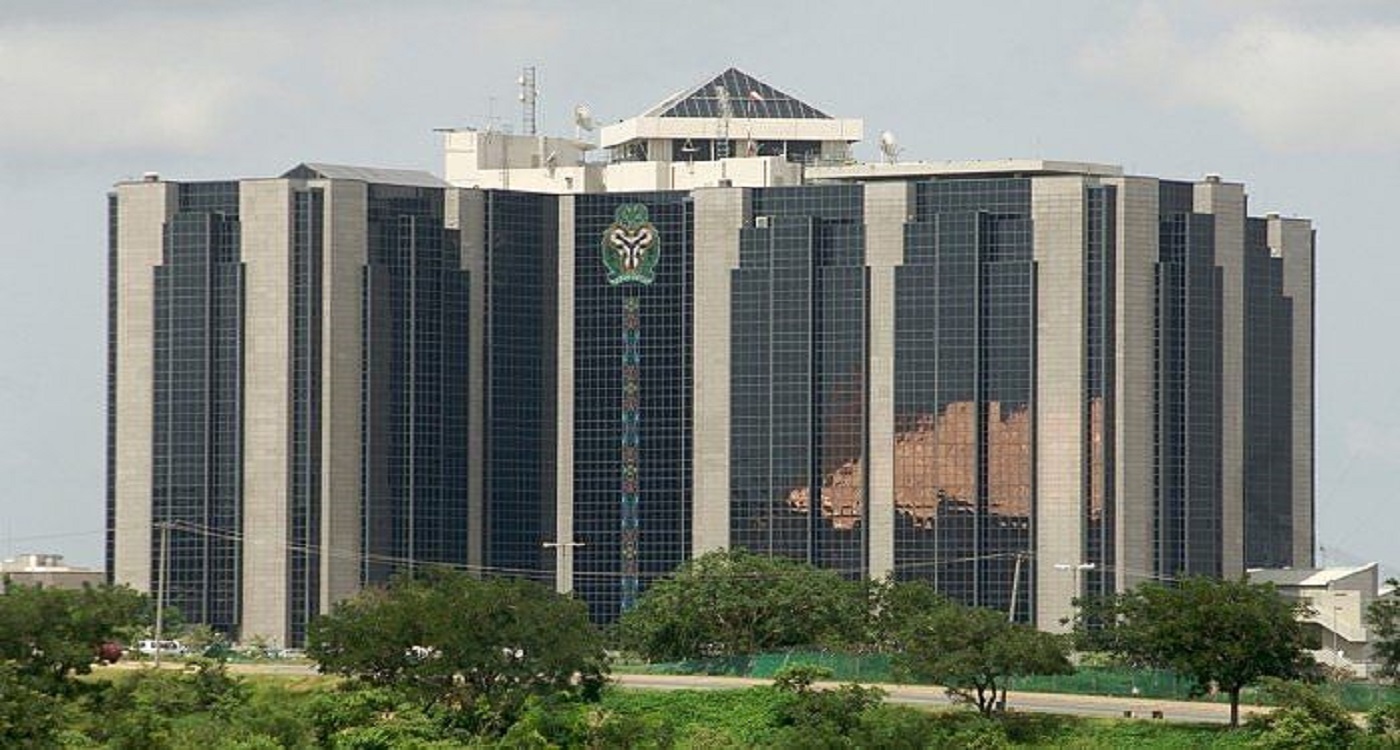

When the Central Bank of Nigeria quietly moved to restrict Nigerians to a one-time change of the phone number linked to their Bank Verification Number, it may have looked like just another regulatory update. But beneath that decision lies a deeper story about trust, control, and the growing battle against digital fraud in Nigeria’s financial system.
For millions of Nigerians, a phone number is not permanent. SIM cards get lost, stolen, deactivated, or swapped due to network issues, relocation, or even insecurity. Yet, under the new rule expected to take effect on May 1, 2026, that everyday reality collides with a rigid financial identity system that allows only a single correction for life.
The policy signals a clear shift in how the CBN views identity management. In recent years, fraudsters have increasingly exploited weak verification systems, using SIM swap schemes and identity manipulation to empty bank accounts within minutes. By tightening control around BVN-linked phone numbers, the apex bank is drawing a hard line: your financial identity must now be nearly permanent.
But this raises critical questions.
What happens to a market woman in Onitsha who loses access to her line after using her one allowed update? What about a young graduate in Abuja who changes networks for better service after exhausting that single chance? Or victims of SIM-related fraud who need to urgently detach their compromised numbers?
While the policy is clearly designed to strengthen security, it risks creating a new kind of financial exclusion. Nigeria still struggles with digital literacy gaps, inconsistent telecom services, and identity documentation challenges. A “one-time-for-life” rule may work in theory, but in practice, it could trap ordinary citizens in a system that offers little flexibility for genuine life changes.
The introduction of stricter verification procedures, including mandatory physical presence and biometric confirmation, further reinforces the seriousness of the reform. It signals that BVN data is no longer just a banking requirement but a critical national identity asset that must be tightly guarded.
At the same time, additional measures such as temporary fraud watchlists and device restrictions for mobile banking apps show a broader strategy. The financial system is moving toward tighter surveillance and controlled access, where every transaction, device, and identity link is carefully monitored.
This shift mirrors global trends, where financial institutions are prioritizing security over convenience. However, in a country like Nigeria, where infrastructure and enforcement gaps remain significant, the balance between protection and accessibility becomes delicate.
The real test of this policy will not be in its announcement but in its implementation.
If banks fail to create clear, fair, and transparent exception processes, the rule could generate frustration, panic, and even unintended financial lockouts. On the other hand, if properly executed with safeguards for genuine cases, it could significantly reduce fraud losses and restore confidence in digital banking.
For now, one thing is certain: Nigerians must begin to treat their BVN-linked phone number as a long-term asset, not a disposable tool.


 By
By