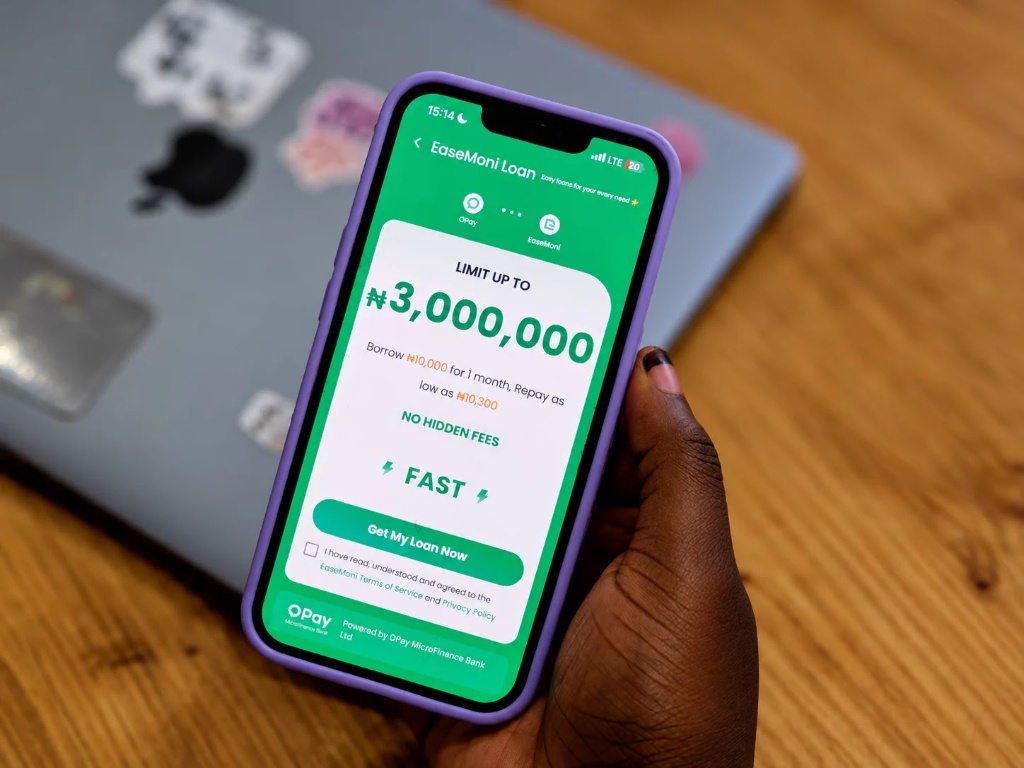

NEW YORK / LAGOS — In a sudden shift of events on Wall Street, African fintech giant OPay has officially pulled the plug on its long-awaited $304 million Initial Public Offering (IPO) on the New York Stock Exchange (NYSE).
The decision came just hours after the SoftBank-backed company priced its American Depositary Shares (ADS) at $19 per share, valuing the mega-fintech firm at an astounding $4 billion.
What was supposed to be a historic listing for African technology on the world’s biggest stock stage dissolved into uncertainty after a mysterious regulatory inquiry in an undisclosed foreign jurisdiction forced the company to halt trading before a single share could change hands.
💥 What Happened? The NYSE Silence That Shocked Investors
OPay had lined up Wall Street heavyweights Citigroup, Deutsche Bank, Standard Bank, and CICC to lead its high-stakes debut. On Friday, October 30, the company priced 16 million ADSs at $19 each, setting the stage for a $304 million capital raise.
However, trading floor bells rang with no action. By 3:30 p.m. ET, the NYSE halted trading with zero transactions recorded. Following intense consultations with its underwriters, OPay formally suspended its underwriting agreement and withdrew the offering.
“The inquiry concerns a jurisdiction unrelated to our core business operations and is immaterial to our financial health,” OPay stated, assuring users that operations across Nigeria, Egypt, Pakistan, and Indonesia remain completely unaffected.
Yet, the fintech giant has resolutely refused to name the investigating regulator or disclose the nature of the probe.
🔍 Why Does It Matter? SoftBank’s Backing & The Global Domino Effect
With more than 50 million active users in Nigeria alone, OPay’s IPO was heralded as a bellwether for the African tech landscape, designed to give global institutional investors direct exposure to Africa’s exploding digital economy.
The abrupt withdrawal highlights the hidden global compliance webs facing multi-jurisdictional tech firms:
- The Global Compliance Trap: Even with massive backers like SoftBank (holding a 6.6% pre-IPO stake), a regulatory flag raised in a minor or secondary jurisdiction can freeze access to public equity markets instantly.
- Derailed Secondary Listing: The setback puts immediate pressure on OPay’s strategic roadmap, which included a secondary listing on the Nigerian Exchange (NGX) and a $200 million placement deal tied with Standard Bank.
🧠 Explain It Like I’m New Here: What is an ADS?
To list on a U.S. exchange, OPay utilized American Depositary Shares (ADSs).
- How it works: An ADS is a U.S. dollar-denominated equity share of a foreign-based company held by a U.S. depositary bank.
- The Benefit: It allows U.S. investors to buy and trade shares in international companies without dealing with foreign currency conversions, cross-border settlement hassles, or foreign stock market rules.
🔮 What Next for OPay? Key Factors to Watch
As the financial world digests this unexpected withdrawal, market analysts and investors at ABT News are watching three critical indicators:
- Unmasking the Regulator: Until OPay discloses which government entity launched the probe and why, institutional investors cannot accurately weigh the risk profile of the business.
- Refiling & IPO Timeline: Will OPay resolve the foreign inquiry quickly and refile amended disclosure documents with the SEC, or will the $4B listing sit on the shelf indefinitely?
- Regional Market Impact: Will this regulatory stumbling block spill over into OPay’s planned secondary debut on the Nigerian Exchange (NGX), or will domestic regulators grant a green light regardless of U.S. delays?
For real-time updates on market moves, fintech developments, and breaking business news, stay tuned to ABT NEWS at www.abtnews.net.



 By