
By ABT NEWS Desk | www.abtnews.net
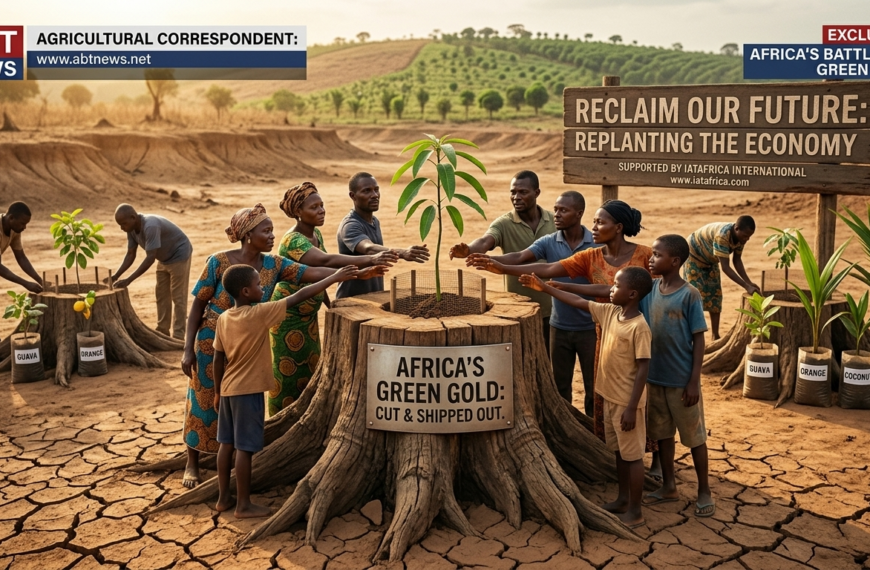
As rising tariffs and unilateral policies fracture global trade networks, a bold new consensus is emerging on the African continent: the era of exporting raw value is ending.
In a revealing recent conversation with CNN’s Zain Asher, Afreximbank President and Chairman of the Board, Dr. George Elombi, broke down exactly what today’s geopolitical trade tensions mean for Africa’s economic future—and how the continent is positioning itself to win.
Instead of remaining vulnerable to global supply chain disruptions, Dr. Elombi emphasized that African industries must now be fully equipped to produce for both internal continental consumption and global export. The overarching goal? Moving up the value chain.
“Africa has an opportunity to build greater capacity, strengthen its industries, and capture more value at home,” the bank notes, signaling a massive shift from historical economic models that saw the continent’s resources enrich foreign markets while leaving local industries underfunded.
Redefining the Narrative to Lower Borrowing Costs
One of the most eye-opening insights from Dr. Elombi’s discussion centered around a hidden tax on African growth: perception.
According to Dr. Elombi, global misconceptions directly influence Africa’s cost of borrowing in international markets. Changing the narrative around Africa isn’t just about PR, it’s a critical financial strategy. By shifting how the world views the continent’s stability and industrial capacity, African nations can secure better financing rates, turning a changed narrative into a tangible economic reality.
A $1 Billion Bet on the Creative Economy
Industrial manufacturing isn’t the only sector getting a major overhaul. Ahead of the highly anticipated Creative Africa Nexus (CANEX WKND) in Lagos, Nigeria (November 5–8), Afreximbank is putting unprecedented capital behind Africa’s youth and cultural exports.
Dr. Elombi detailed the bank’s massive pivot toward the creative economy, highlighted by the rollout of a staggering US$1 billion Pan-African Film Fund.
This isn’t just funding for entertainment—it’s infrastructure for a booming creative sector. By backing the next generation of storytellers, filmmakers, and creatives, Afreximbank aims to create vast new employment opportunities for Africa’s young population while ensuring that the continent’s cultural exports remain owned and monetized by Africans.
The takeaway for global markets is clear: Africa is no longer waiting for the world trade system to correct itself. Through strategic investments in both traditional industries and creative powerhouses, the continent is writing its own economic playbook.


 By
By