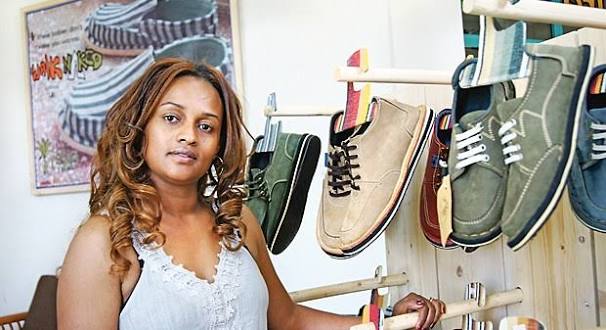

In the impoverished Zenabwork community on the outskirts of Addis Ababa, Ethiopia, employment opportunities were historically scarce and poverty was widespread. Rather than wait for international aid or foreign charity to uplift her community, Bethlehem Tilahun Alemu saw a goldmine of unexploited artistic talent, artisan craftsmanship, and eco-friendly manufacturing potential right in her neighborhood.
In 2004, armed with a small plot of land provided by her grandmother, a modest startup fund, and five local artisans, Alemu founded soleRebels. She set out to reimagine the traditional Ethiopian selate, a sandal fashioned from recycled car tires and hand-woven fabrics, into a high-end, eco-conscious global footwear brand.
Today, soleRebels is distributed across more than 30 countries, featuring flagship retail stores in Europe, North America, Asia, and the Middle East.
1. Transforming Indigenous Heritage into a Global Luxury Brand
Alemu realized early that international consumers were growing tired of mass-produced, non-biodegradable synthetic footwear. She positioned soleRebels at the intersection of sustainability, cultural authenticity, and contemporary style.
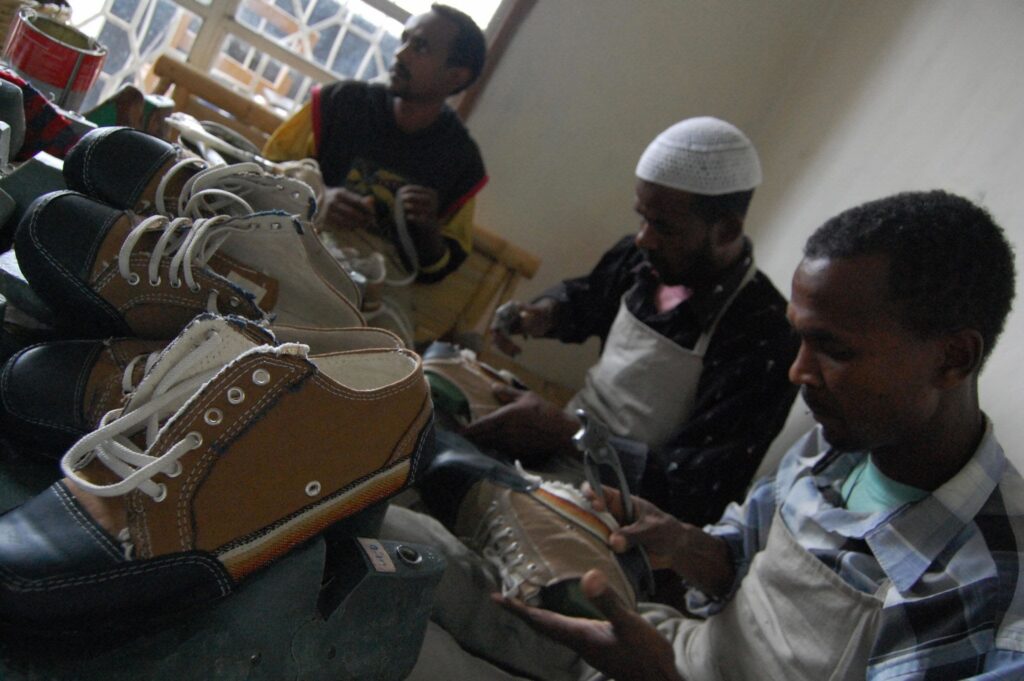
Every pair of soleRebels footwear utilizes 100% recycled car tire soles, organic hand-spun cotton, and artisan leather processed using traditional Ethiopian techniques. By combining zero-carbon hand production with modern fashion aesthetics, Alemu created a product that appealed to environmentally conscious consumers across Tokyo, Silicon Valley, London, New York and Paris.
                   SOLEREBELS: GLOBAL TRAJECTORY

   [ Zenabwork Workshop ] ──► [ World's 1st Fair Trade Shoe ]
     (5 Artisans in 2004)        (WFTO Certification)
                                         │
                                         ▼
   [ Global Retail Footprint ] ◄── [ E-Commerce Engine ]
   (Stores in US, Japan, EU)        (Direct-to-Consumer Export)
The Heritage Principle: Do not disguise your African roots to fit into global markets. Your cultural heritage, indigenous craftsmanship, and local resources are unique competitive advantages that cannot be replicated by foreign competitors.
2. Ethical Supply Chains: Paying Three Times the Market Rate
While many international footwear conglomerates outsource manufacturing to developing nations to capitalize on cheap, exploitative labor, Alemu built soleRebels on an entirely opposite ethical premise: Trade, Not Aid.
soleRebels became the world’s first footwear company to receive Fair Trade certification from the World Fair Trade Organization (WFTO). Alemu paid her craftspeople wages that averaged three times the local industry rate, provided full medical coverage, and created apprenticeship programs that lifted entire families out of generational poverty.
3. Mastering Direct-to-Consumer Global E-Commerce
To scale beyond physical retail limitations, Alemu embraced digital innovation long before her regional peers. By building a robust e-commerce export engine, soleRebels shipped custom-built footwear directly from Addis Ababa to international buyers via DHL and FedEx global logistics.
┌─────────────────────────────────────────────────────────────────────────┐
│               BETHLEHEM TILAHUN ALEMU'S GROWTH PLAYBOOK                  │
├─────────────────────────────────────────────────────────────────────────┤
│ 1. Radical Sustainability: Turn waste materials into high-margin luxury. │
│ 2. Ethical Labor: High wages yield superior artisan craftsmanship.       │
│ 3. Global Digital Reach: Own direct relationships with end consumers.   │
└─────────────────────────────────────────────────────────────────────────┘
This direct-to-consumer digital infrastructure allowed soleRebels to maintain premium profit margins, maintain complete pricing autonomy, and scale operations rapidly across international borders.
The Founder’s Playbook: 3 Lessons from Bethlehem Tilahun Alemu for Every Female Entrepreneur
- Reframe Local Problems as Global Solutions: Recycling discarded car tires wasn’t just a local waste solution, it became a key marketing story for eco-conscious global consumers.
- Reject Charity-Based Positioning: Position your business based on product quality, design excellence, and competitive value, never on sympathy or aid.
- Control Your Brand Story: By defining the narrative around Ethiopian design and craftsmanship, Alemu commanded premium prices in top global shopping capitals.
What’s Next for ABT NEWS Readers?
Bethlehem Tilahun Alemu proved that world-class luxury brands can be birthed, financed, and manufactured entirely within African local communities. Her journey continues to serve as an inspiring roadmap for African creators entering global commerce.
For more breaking news, corporate analysis, and executive profiles, bookmark www.abtnews.net and follow our daily updates!
Donations towards that are also welcome via PayPal using our email: info@abtnews.net



 By
By