
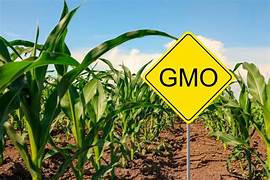

ABUJA — A silent but brutal war is currently raging across the African continent, and the prize is the very future of our food. On one side are the powerful multinational biotech companies and pro-biotech governments promising a “miracle” end to hunger. On the other side are fierce environmentalists, smallholder farmers, and civil society groups screaming that Africa is about to hand over the control of its food supply to foreign corporations.
At the center of this explosive battle are Genetically Modified Organisms (GMOs). From the laboratories in the West to the fertile soils of the Savannah, African farming is at a terrifying crossroads. Are we adopting a technology that will save us from climate change, or are we ignorantly planting the seeds of our own agricultural destruction?
Here is the unfiltered truth about what is actually happening to African agriculture.
The Allure of the “Super Seed”
To understand why GMOs are spreading, you have to look at the harsh realities of modern farming. Extreme droughts, devastating floods, and aggressive pests are wiping out harvests at an unprecedented rate.
Genetically modified crops—like the highly debated Bt maize—are engineered in laboratories to resist pests, survive powerful herbicides, and withstand severe droughts. For a farmer heavily invested in maize cultivation in Nigeria, the promise of a seed that naturally kills the devastating Fall Armyworm without needing expensive chemical sprays sounds like an absolute lifesaver.
Proponents argue that Africa simply cannot feed its booming population using traditional farming alone. Recent studies even claim that delays in rolling out GMO crops like Bt maize and disease-resistant potatoes have cost African economies hundreds of millions of dollars in lost yields and high pesticide costs.
The Dark Side: Corporate Enslavement and Soil Destruction
But what is the hidden cost of this “miracle”? Environmentalists and sustainable agriculture experts are sounding massive alarms, warning that GMOs will ultimately destroy Africa’s agricultural independence.
- The Death of Seed Sovereignty: For generations, African farmers have saved, swapped, and replanted organic indigenous seeds after every harvest. GMO seeds, however, are patented properties of mega-corporations. Farmers are legally barred from saving them and must buy new seeds every single planting season. This creates a terrifying dependency.
- Biodiversity Collapse: Widespread adoption of GMOs promotes aggressive monoculture. As everyone plants the exact same genetically identical crop, indigenous African seed varieties—which have naturally adapted to local soils over centuries—are driven to extinction.
- The Herbicide Trap: Many GMOs are designed specifically to withstand heavy doses of chemical weedkillers (like Glyphosate). While the crop survives, the surrounding soil microbiomes and local ecosystems are often decimated over time, leading to long-term soil degradation.
Which Countries Are Truly at Risk?
The continent is currently split in half, creating a massive regulatory headache, especially with the operationalization of the African Continental Free Trade Area (AfCFTA). With borders opening up for seamless intra-African trade, keeping GMO crops from crossing into non-GMO territories is becoming an impossible task.
1. The High-Risk Adopters (Nigeria, Kenya, South Africa):
These nations have fully opened their doors to commercial GMO cultivation. The immediate risk here is the permanent alteration of their agricultural ecosystems and the rapid loss of farmer independence to corporate monopolies. If the promised high yields fail in the long run due to soil depletion, these nations will face catastrophic, unrecoverable agricultural collapse.
2. The High-Risk Resisters (Uganda, Zimbabwe, Madagascar):
These countries have strictly banned the cultivation and importation of GMOs to protect their organic heritage. However, their risk is immediate food insecurity. By relying solely on traditional seeds in an era of brutal climate change, they face a higher vulnerability to complete harvest wipeouts from new diseases and extreme weather shocks.
The Verdict: Is Africa Better Off with Organic Seeds?
From a purely sustainable perspective, Yes. Agroecology—which relies on organic, indigenous seeds, crop rotation, and natural pest management—preserves the soil, protects biodiversity, and keeps the wealth and control strictly in the hands of the African farmer.
However, organic farming requires massive government support, better irrigation infrastructure, and organic fertilizers to achieve the yields needed to feed modern populations—support that most African governments are currently failing to provide.
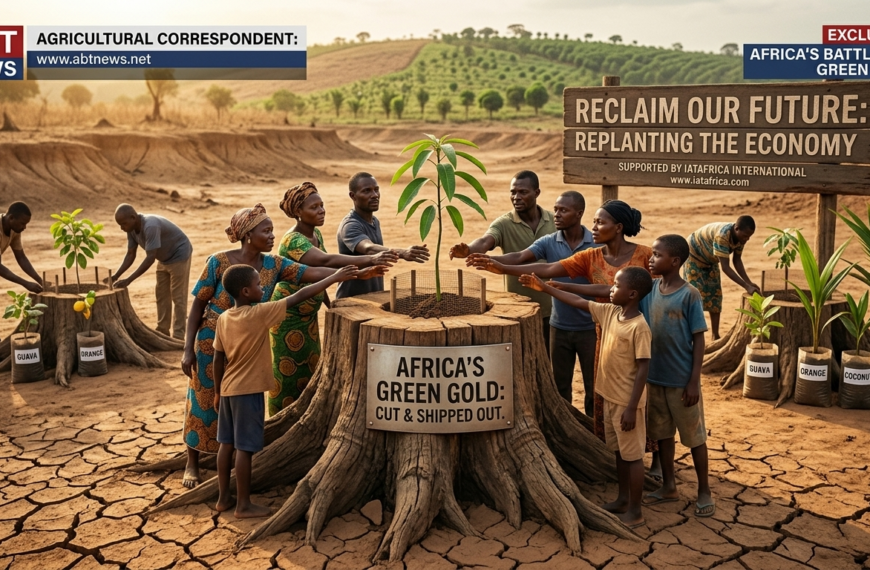
Ultimately, Africa does not necessarily need foreign, patented GMOs. What it needs is heavy investment in its own indigenous agricultural research to naturally breed stronger, climate-resilient local crops. Until then, the aggressive push for GMOs looks less like a rescue mission and more like a hostile corporate takeover of the African farm.
What is your stance on this agricultural crisis? Should African farmers stick to our indigenous organic seeds, or must we embrace GMOs to survive? Drop your comments below and SHARE this critical ABT NEWS exclusive!


 By
By





The case for and against GMOs in Africa is an important issue to discuss. This is because Africa population keep growing every minute of the day but our land remains stagnant- not growing at all. So what do we do to ensure that this growing population can continue to feed themselves possibly after our generations had gone. My little knowledge about GMO is that it increases yield but so far I have not come across its adverse health effects, if any. Maybe someone can highlight its adverse effects to human for us here.