
ABUJA, NIGERIA — What began as a vibrant, grassroots movement to galvanize support for President Bola Ahmed Tinubu’s “Jagaban” legacy is increasingly looking like a sanctuary for individuals with questionable characters. The “City Boy” movement, once a symbol of urban political savvy and renewed hope, is now facing a severe identity crisis as a string of high-profile fraud cases and EFCC investigations begin to define its public image.
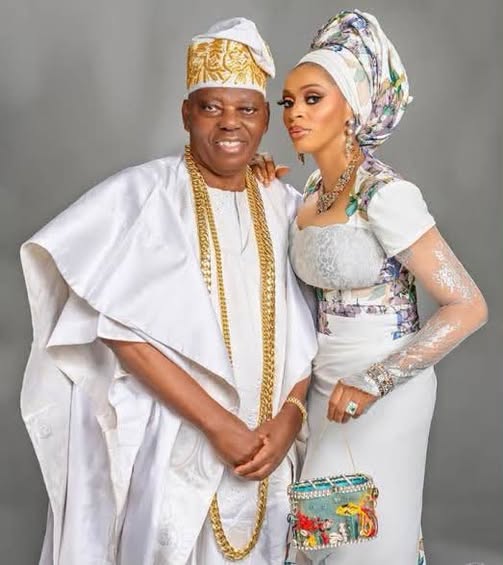
The latest blow to the movement’s credibility came this week as the Economic and Financial Crimes Commission (EFCC) officially declared Folasade Aisha Ahmed, a prominent woman leader within the City Boy Movement, wanted. According to a report by TheCable, Ahmed is being sought for her alleged involvement in a massive fraud scheme involving “obtaining money by false pretense.”
This development has reopened a Pandora’s box of questions: Why has the City Boy movement become a magnet for the morally decadent and those under the radar of anti-graft agencies?
A Magnet for the “Fast-Money” Crowd
To many observers, the “City Boy” label has evolved from a political descriptor into a lifestyle brand that celebrates “loud” wealth, often without a traceable source. In the murky waters of Nigerian politics, proximity to power is frequently viewed as a shield against prosecution. This perception has led a “who’s who” of socialites and businessmen—many of whom are under constant EFCC scrutiny—to drape themselves in the City Boy regalia.
Critics argue that for the morally decadent, the movement provides a veneer of “patriotism” and “political relevance” that they hope will intimidate law enforcement or offer them a soft landing when their financial dealings come to light.
The EFCC Hall of Shame: A Pattern of Association
The case of Folasade Aisha Ahmed is merely the latest in a series of associations that have left the movement smelling of scandal.
- The “Internet Fraud” Pipeline: Sources within the security agencies suggest a worrying trend of “Yahoo-Yahoo” (cyber-fraud) kingpins using the City Boy movement as a platform for “reputation laundering.” By donating heavily to movement-affiliated events and wearing the merchandise, they attempt to buy social legitimacy.
Sabotaging the APC: A Liability for Re-election
While the “City Boy” movement was instrumental in the 2023 elections, its current trajectory is becoming a massive liability for the All Progressives Congress (APC) as it looks toward the future.
1. Alienating the Moral Majority: The average Nigerian voter, struggling with the current economic realities, views the flamboyant and often fraudulent displays of wealth by movement members with growing resentment. When a “Woman Leader” of the movement is declared wanted for fraud, it reinforces the narrative that the ruling party’s support base is built on “ill-gotten gains.”
2. Diluting the “Renewed Hope” Message: It is difficult for the President to sell a message of transparency, fiscal discipline, and anti-corruption when his most vocal supporters are being hunted by the EFCC. The “City Boy” brand is increasingly synonymous with “moral decadence,” a tag that opposition parties are already beginning to weaponize.
3. The Risk of a Protest Vote: If the APC does not distance itself from these questionable characters and “cleanse” the City Boy movement of its fraudulent elements, it risks a massive backlash at the polls. Voters may choose to punish the party not just for its policies, but for the company it keeps.
The Bottom Line
The “City Boy” movement stands at a crossroads. It can either remain a haven for socialites under investigation and “get-rich-quick” schemers, or it can undergo a rigorous internal audit to return to its political roots. If the current trend continues, the movement will not be remembered as the engine that powered a presidency, but as the scandal-ridden weight that pulled down the APC’s chances for a second term.
As the EFCC continues its hunt for Folasade Aisha Ahmed, the question remains: Who is the next “City Boy” or “City Girl” to fall?
Stay tuned to www.abtnews.net for further updates on the EFCC’s investigation into the City Boy Movement.


 By
By