
Africa’s export landscape is shifting. While global investors often worry about broader economic slowdowns, Africa’s trade potential continues to scale. Currently, the continent’s export market is heavily dominated by a handful of nations, with South Africa leading the charge through a diversified portfolio of mining, manufacturing, and automotive production.
Despite generating nearly half of Africa’s total export value alongside South Africa, Egypt, Morocco, and Algeria, Nigeria remains heavily reliant on a single sector: hydrocarbons.
Here is how the top of the continent’s export leaderboard currently stands by annual value:
| Rank | Country | Estimated Export Value | Primary Export Drivers |
| 1 | South Africa | ~$116.6 Billion | Diversified (Mining, Automotive, Manufacturing) |
| 2 | Nigeria | ~$52.7 Billion | Hydrocarbons (Crude Oil, Gas) |
| 3 | Egypt | ~$51.3 Billion | Refined Petroleum, Gold, Plastics |
| 4 | Morocco | ~$50.3 Billion | Phosphates, Automotive, Agriculture |
| 5 | Algeria | ~$44.4 Billion | Hydrocarbons |
| 6 | DR Congo | ~$40.4 Billion | Minerals, Copper, Cobalt |
(Data reflects recent valuations across global trade monitors including World’s Top Exports and the IMF)
What Nigeria Must Do to Top the List
For Nigeria to close the $60 billion gap with South Africa and take the number one spot, it must aggressively transition from exporting raw materials to exporting finished, high-value goods.
1. Industrial Value Addition
Exporting raw crude leaves billions on the table. The blueprint for dominating the export market lies in large-scale domestic industrial developments, such as the Dangote Group’s investments in mega-refining and fertilizer production. By refining oil onshore and generating reliable localized power, Nigeria can flip from being a net importer of fuel to West Africa’s primary supplier of refined petroleum, petrochemicals, and urea fertilizers.
2. Scaling Commercial Agribusiness
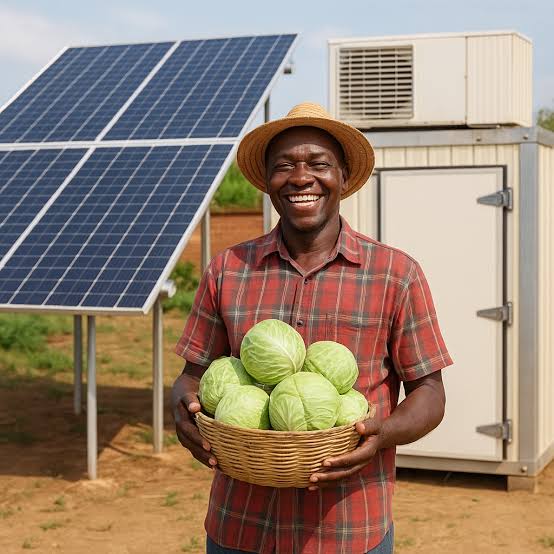
Nigeria’s agricultural potential remains vastly underutilized in global trade. Moving beyond subsistence farming into high-yield commercial agribusiness is essential. Specifically, modernizing poultry husbandry and scaling mechanized maize production can transform the country into a regional food basket, stabilizing domestic food security while creating lucrative new export channels across West Africa.
3. Leveraging the Digital Economy
Physical goods are only half the equation. Nigeria’s rapidly expanding telecommunications infrastructure and booming digital economy offer a massive exportable service sector. Robust telecom networks not only drive domestic wealth creation but serve as the critical digital architecture required to facilitate seamless cross-border trade and financial logistics.
How Other African Nations Can Make the List
For emerging economies looking to break into the top 10, the era of relying solely on raw mineral extraction is over. The nations consistently climbing the ranks share a common strategy: processing.
- Domestic Processing: Countries mining lithium, cobalt, or copper must develop domestic battery and metals supply chains rather than shipping raw ores overseas.
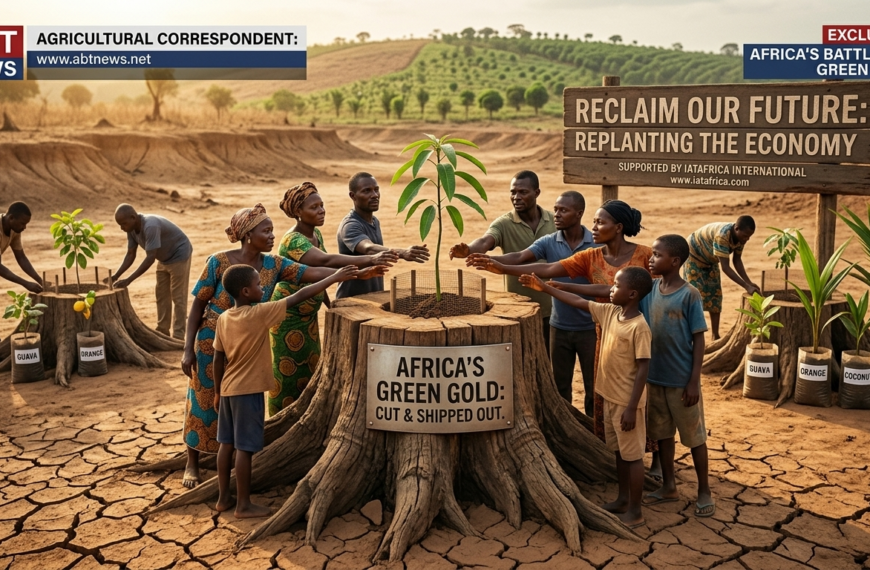
- Agro-Processing: Exporting roasted, packaged coffee or refined chocolate yields exponentially higher margins than exporting raw cocoa beans.
- Infrastructure Investment: Developing Special Economic Zones (SEZs) near deep-water ports and connected by reliable rail networks removes the logistical bottlenecks that kill export competitiveness.

Raising the Game with the AfCFTA
The African Continental Free Trade Area (AfCFTA) is the ultimate catalyst for this economic transformation. It is projected to boost Africa’s total exports to $2.2 trillion by 2043, but only if governments and private sectors move from signing treaties to executing operational realities.
- Regional Value Chains: AfCFTA allows countries to specialize. Raw materials mined in the Democratic Republic of Congo can be seamlessly processed in South Africa or Kenya without crippling tariffs, creating products that are globally competitive.
- Reducing Non-Tariff Barriers: The agreement pushes for harmonized customs processes, mutual recognition of product standards, and simplified border logistics. This makes it viable for a medium-sized enterprise in Lagos to profitably supply markets in Nairobi.
- Insulation from Global Shocks: By prioritizing intra-African trade, the continent reduces its exposure to external regulatory shifts—such as the EU’s incoming Carbon Border Adjustment Mechanism (CBAM)—creating a more resilient, self-sustaining continental economy.
It pays to advertise your business, products and services on ABT NEWS www.abtnews.net. Please send your enquiries to advertise@abtnews.net or +447918790290


 By
By