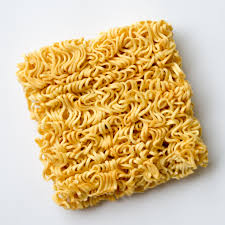

In an era defined by kale smoothies, organic produce, and a growing obsession with “clean eating,” one aisle in the grocery store continues to thrive in defiance of health trends: the instant noodle aisle.
Despite mounting health concerns regarding processed foods, the global instant noodle market is not just surviving—it is projected to grow tremendously in the coming years. But how does this shelf-stable staple maintain its grip on global appetites?
The Science of Cravings
Scientists point to a straightforward, albeit controversial, explanation for the product’s enduring popularity: addiction.
Researchers have highlighted how the specific combination of high sodium, refined carbohydrates, and flavor-enhancing compounds in instant noodles can trigger biological responses similar to those of addictive substances. These meals are designed for “palatability”—a food-industry term for a sensory profile that makes it difficult for consumers to stop after just one bite. The quick, intense spike in blood sugar followed by the savory, umami-rich hit creates a cycle that keeps consumers coming back for more, regardless of health goals.
The Manufacturer’s Defense
The manufacturers behind these ubiquitous products, however, reject the “addiction” narrative.
Industry representatives argue that the sustained growth of the market is rooted in necessity, convenience, and affordability. For millions of people across the globe, instant noodles represent a vital lifeline. They are a low-cost meal solution that requires minimal preparation—a crucial factor in an increasingly fast-paced, urbanized world.
Manufacturers emphasize that they are simply meeting a consumer demand for accessible, long-lasting sustenance. They argue that the focus on “addiction” ignores the logistical reality: instant noodles provide a reliable, inexpensive caloric source for students, budget-conscious families, and busy professionals alike.
A Tug-of-War for the Future
As the clean-eating movement continues to influence global dietary habits, the instant noodle industry finds itself at a crossroads. While some brands have begun exploring “healthier” variations—offering air-dried options or reducing sodium content—the core appeal of the product remains unchanged.
Is it a case of calculated chemical engineering, or is it simply the ultimate convenience food for a modern world? As market growth projections continue to climb, it appears the answer may be a bit of both.
For more updates on food trends and industry analysis, stay tuned to ABT NEWS Please send all your advertising enquiries to advertise@abtnews.net or +447918790290


 By
By