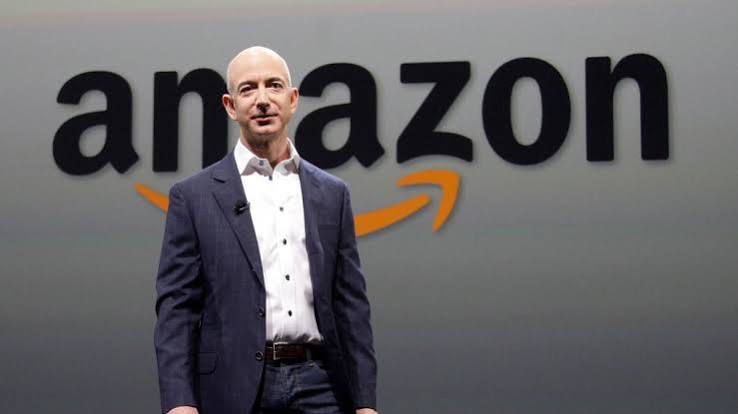

Imagine sitting across a desk from a young, hyperactive founder in 1995. He is trying to sell you a 1% stake in his fledgling company for $50,000. The business? An online bookstore. The catch? You have to ask him to explain what “the internet” actually is, and he candidly warns you that there is a 70% chance you will lose every single penny.
For 40 different investors, that wasn’t a hypothetical scenario. It was a real choice. And they all chose to walk away.
Sixty Meetings, Forty Heartbreaks
Amazon founder Jeff Bezos recently reflected on the grueling grind of his initial seed round, calling it “the hardest thing I’ve ever done.” To secure the $1 million he needed to keep the lights on, Bezos had to pitch his heart out in 60 separate meetings.
Ultimately, 22 angel investors saw something worth risking $50,000 on. But it’s the other 40—the ones who sat through those intense, hard-earned meetings and ultimately declined—who live on as a masterclass in the psychological torment of missed business opportunities.
Had those 40 skeptics written a check, and assuming their stakes weren’t entirely diluted over the decades, that single $50,000 investment would be worth an astronomical $25 billion today.
| The 1995 Pitch | The 2026 Reality | The Cost of “No” |
| $50,000 Check | $25,000,000,000 value | Generational wealth vanished |
| 1% Equity | 1% of a $2.5 Trillion Empire | A seat at the absolute top of global tech |
| 70% Risk of Failure | 100% Disruption of Global Retail | Missing the greatest bull run in history |
The Anatomy of a Missed Chance
In business, the pain of a missed opportunity hits vastly different than the pain of a direct failure. When you start a venture and fail, you lose capital, but you gain closure. You know how the story ends.
But when you pass on a rocket ship before it leaves the atmosphere, the pain is lingering and phantom. It’s an agonizing, lifelong game of “What if?”
What makes these 40 rejections particularly painful is that they weren’t lazy dismissals. Bezos noted that these were “hard-earned nos.” Investors did their due diligence, weighed the risks, and made what looked like a completely rational, safe decision at the time. They protected their $50,000 from a high-risk venture.
And that is the quiet tragedy of risk aversion in innovation: The safest choices in the present often yield the deepest regrets in the future.
Every time those 40 individuals open a browser, see a brown delivery box on a doorstep, or read a headline about global cloud computing, they are hit with a visceral reminder of a regular Tuesday afternoon in 1995 when they chose comfort over a chaotic vision.
The Lesson for Today’s Investor: You don’t need to be right on every micro-cap startup. But if you pass on a transformational shift simply because you don’t understand the underlying infrastructure yet—whether that was the internet in 1995 or artificial intelligence and robotics today—the cost of your skepticism might eventually be calculated in billions.

 By
By