
The United Nations has issued a stark warning: millions of people across the globe could face devastating hunger in the coming months if the ongoing conflict in the Middle East is not resolved soon.
At the center of this looming catastrophe is the closure of the Strait of Hormuz. The disruption in this critical maritime chokepoint has triggered a sharp surge in the price of energy and, crucially, artificial fertilizers—much of which are manufactured in the Gulf states and exported globally. As the cost of producing and transporting food skyrockets, experts warn that we are careening toward a Malthusian catastrophe unless immediate, systemic changes are made.
But the situation is not entirely hopeless. In a recent analysis published in The Conversation, leading experts—including Jasper Verschuur from Delft University of Technology and Paul Behrens from the University of Oxford—have outlined a clear survival roadmap.
To shield global populations from volatile supply shocks driven by geopolitical tensions and climate change, the researchers propose four urgent strategies to build a more resilient global food system:
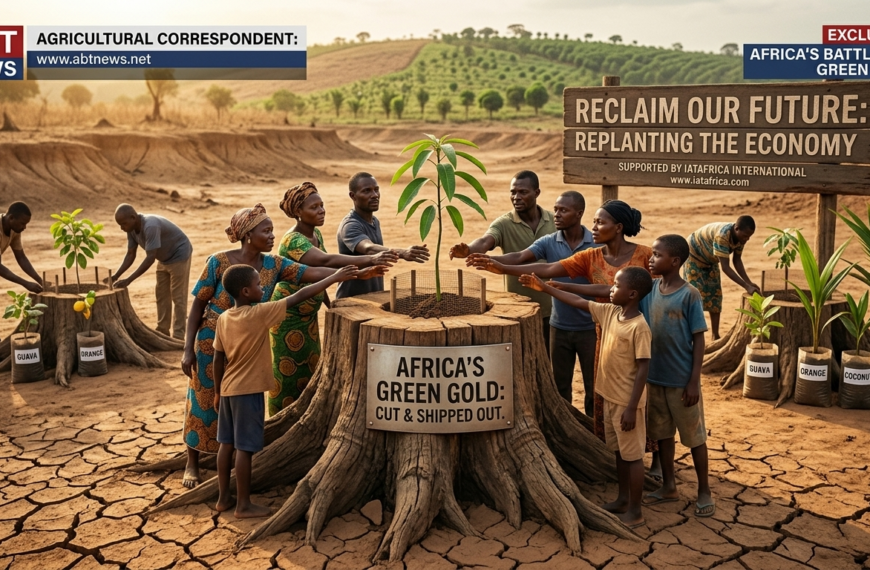
1. The Green Fertilizer Revolution Currently, global agriculture is dangerously dependent on fossil fuels to produce artificial fertilizers. The experts argue that a rapid transition to “green ammonia” fertilizer—produced using renewable energy sources rather than natural gas—is essential. By decoupling fertilizer production from unpredictable fossil fuel markets, countries can stabilize crop yields regardless of Middle Eastern conflicts.
2. Bolstering National Stockpiles The “just-in-time” supply chain model has proven far too fragile for global food security. To buffer against sudden trade blockages, governments must enhance and expand their strategic national stockpiles of both essential foods and critical farming inputs.
3. A Dietary Shift Toward Plant Proteins Perhaps the most direct way consumers can help alleviate the crisis is through their diets. Transitioning toward diets rich in plant-based proteins requires significantly less land, water, and artificial fertilizer than intensive meat production. This shift would not only reduce the strain on global supply chains but also drastically lower agricultural greenhouse gas emissions.
4. Optimizing and Accelerating Transport With traditional shipping routes compromised, accelerating alternative transport logistics and building redundant supply networks is critical. Navigating around blockades efficiently will dictate how quickly life-saving food supplies reach vulnerable populations.
The Bottom Line The current geopolitical crisis in the Middle East has laid bare the extreme fragility of our global food network. While the immediate focus remains on diplomatic resolutions, the long-term solution requires a fundamental overhaul of how we grow, transport, and consume our food.
We can no longer rely on a system vulnerable to a single regional conflict. The blueprint for a resilient, sustainable future is in front of us—the only question is whether global leaders will act before the food runs out.
For more in-depth analysis on global security, climate solutions, and breaking news, stay connected with ABT NEWS at www.abtnews.net.


 By
By