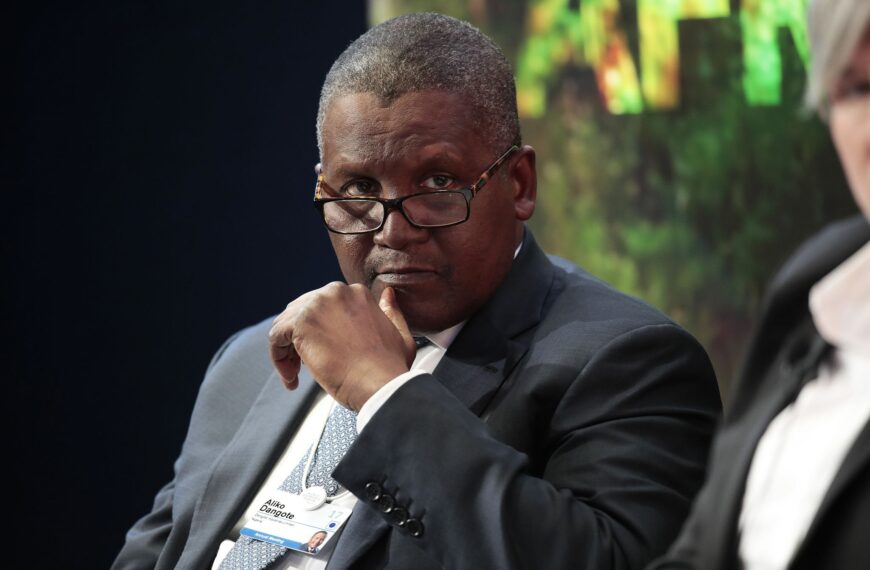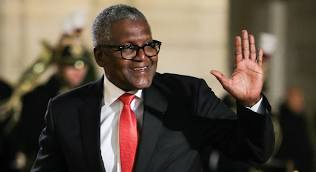

GODE, ETHIOPIA — Africa’s richest man just walked onto a construction site in Ethiopia’s Somali Region and sent a multi-billion-dollar message to the world: Africa is done relying on imports to feed its own people.
Over the weekend, Nigerian industrial magnate Aliko Dangote, alongside Ethiopian Prime Minister Abiy Ahmed, inspected the sprawling grounds of a new fertilizer mega-plant in Gode. What was initially a staggering $2.5 billion commitment has now ballooned into a colossal $4 billion investment, drastically expanding the scope of one of the continent’s most ambitious agro-industrial projects.
A Mega-Complex Taking Shape The project, a joint venture between the Dangote Group (60%) and state-owned Ethiopian Investment Holdings (40%), is designed to completely rewrite East Africa’s agricultural playbook.
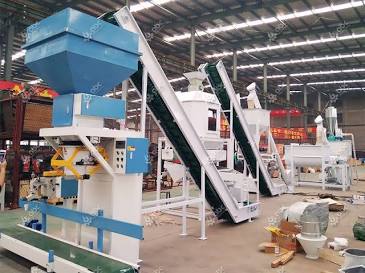
Originally planned as a massive urea plant, the newly expanded $4 billion footprint now includes a self-sustaining industrial ecosystem. The upgraded complex will feature:
- A 110-kilometre natural gas pipeline connecting directly to the Calub gas field in the Ogaden Basin.
- A 120-megawatt power plant to ensure uninterrupted operations.
- A massive two-million-tonne NPK blending plant.
- A dedicated polypropylene packaging facility.
To guarantee the plant’s long-term energy needs, Dangote Industries recently locked in a monumental 25-year, $4.2 billion natural gas supply agreement with China’s GCL Group to ensure a seamless “closed-loop” value chain from extraction to final product.
From Zero to Exporter The stakes for Ethiopia could not be higher. Currently, the nation has zero primary production of inorganic fertilizer. Every single bag reaching an Ethiopian farmer today is imported, leaving the country highly vulnerable to global supply chain shocks and foreign exchange pressures. In 2024 alone, Ethiopia had to import over 2.3 million tons of fertilizer to sustain its agricultural sector.
This single facility changes that entirely. When the plant reaches full capacity by 2029—though Prime Minister Abiy Ahmed has stated efforts are actively underway to accelerate the construction timeline—it will churn out 3 million metric tonnes of urea annually. This output will not only fully satisfy Ethiopia’s domestic demand but establish vital export supply lines to neighboring markets across East Africa.
“This initiative represents far more than infrastructure,” Prime Minister Abiy Ahmed remarked during the site visit. “It is a strategic investment in Ethiopia’s agricultural transformation, food security, industrial growth, and economic self-reliance.”
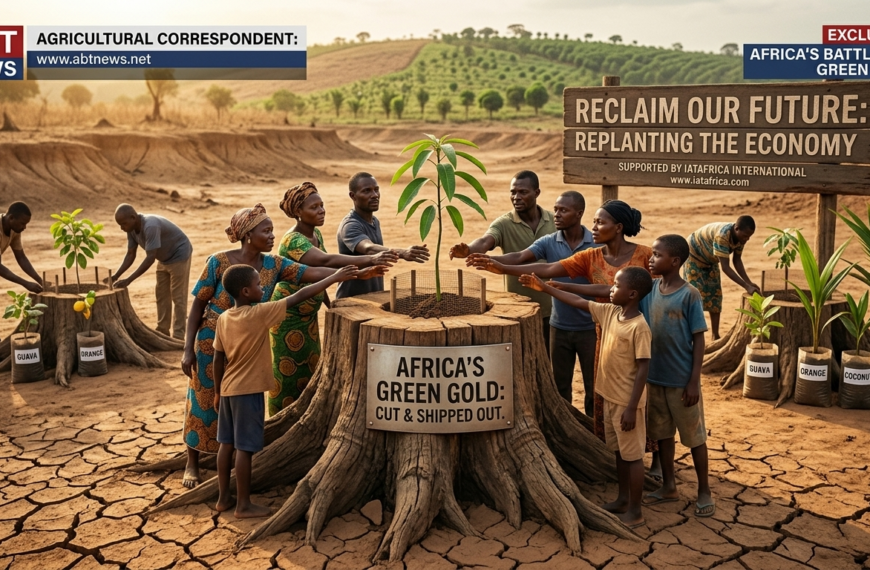
The Face of African Industrialization For decades, the narrative surrounding African agriculture has been dominated by foreign aid and international charity. Dangote’s move forcefully flips that script. This is what true African industrialization actually looks like: an African entrepreneur leveraging African capital, tapping into African soil and resources, with a definitive plan to make the continent feed itself.
Standing at the Gode construction site, Dangote stated it plainly: “Africa has the capacity to feed itself and even export to the rest of the world. Our fertilizer investments across the continent are designed to unlock that potential and secure a prosperous future for our people.”
The Gode plant is more than a factory; it is a declaration of economic independence. As the foundations are poured in the Somali Region, a powerful question emerges for the continent’s future:
If Africa controls its own fertilizer production, what other import dependencies should it target next?
For more breaking business news and exclusive features on Africa’s economic transformation, stay tuned to ABT NEWS at www.abtnews.net.


 By
By