
The Glory Days
In 2023, Novo Nordisk achieved what seemed like absolute pharmaceutical dominance. It became Europe’s most valuable company, streaking ahead of competitors thanks to the unprecedented success of its GLP-1 obesity drug, Wegovy, and its diabetes counterpart, Ozempic. It was the undisputed king of a weight-loss market that changed the world.
To understand why these treatments caused such a paradigm shift, it helps to look under the hood at how GLP-1 drugs actually function in the body:
The Eli Lilly Upset
But the crown was heavy, and a ferocious challenger emerged. Over the past year, Eli Lilly has methodically dismantled Novo’s lead, claiming over 60% of the U.S. branded obesity market.
What went wrong for Novo?
A combination of pipeline hurdles and Eli Lilly’s aggressive innovation. While Novo pioneered the space, it lost market share for several key reasons:
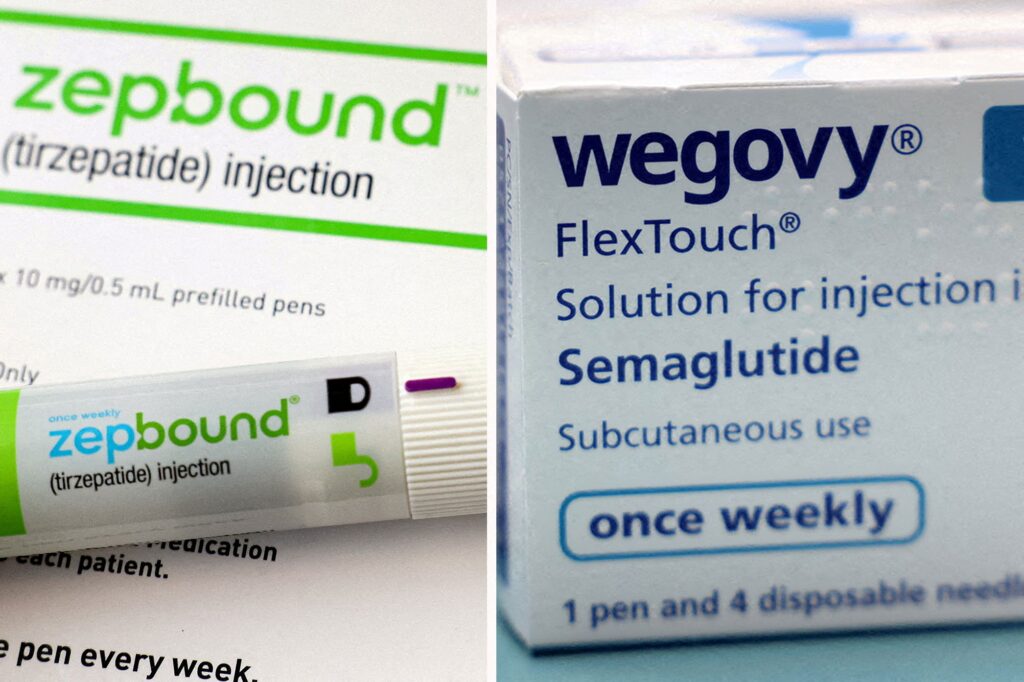
- The Dual-Agonist Advantage: Lilly’s Zepbound (tirzepatide) targets both GLP-1 and GIP receptors, delivering highly effective weight loss results that challenged Novo’s Wegovy.
- The Oral Pill Frictions: The battleground has quickly shifted to daily oral pills. Novo launched an oral version of Wegovy, but it requires strict adherence to fasting, an empty stomach and a 30-minute wait before eating or drinking.
- The “Foundayo” Factor: Lilly countered with Foundayo (orforglipron), an oral GLP-1 drug that can be taken at any time with no food or water restrictions. This convenience is allowing Lilly to aggressively siphon off new prescriptions in the fast-growing oral segment.
The ‘Novo Way’ and the AI Arms Race
Therefore, Novo Nordisk is ripping up its old playbook. The Danish drugmaker announced it is officially shortening its everyday corporate name Novo Nordisk to simply “Novo”. The rebrand comes with a streamlined corporate culture dubbed “The Novo Way,” built around a new slogan: Lasting Health Starts Now.
CEO Mike Doustdar, who stepped in last year to orchestrate a turnaround, stated the shift will allow the company “to move with greater focus, speed and impact” and connect better “with the people we serve”.
Is the race over? What should we expect in the near future?
The race is far from over. Analysts project the obesity therapeutics market will grow at a massive 27% compound annual growth rate (CAGR) through 2036, pushing it well past the $100 billion mark. The near future will be defined by next-generation combination therapies. Novo is currently awaiting an FDA decision for CagriSema (a combo of semaglutide and cagrilintide) expected in late 2026, while Lilly is advancing retatrutide, a “triple-G” agonist targeting a 2027 regulatory submission.
The Role of Artificial Intelligence
To claw back its dominance, Novo is heavily utilizing AI. The company recently struck a massive partnership with OpenAI to integrate artificial intelligence across its entire operation, from accelerating drug discovery to optimizing global supply chains and manufacturing.
By analyzing complex datasets and identifying patterns faster than humanly possible, AI is expected to drastically cut R&D timelines.
However, Lilly is matching this pace, having signed over a dozen AI-based deals of its own (including a $1 billion partnership with Nvidia) to ensure it stays on top.
This is no longer just a sprint for weight loss. It is an AI-fueled marathon for global metabolic dominance! Who win? Time will tell! All we know is that it is not over until it finally is over!


 By
By