
KIGALI — An integrated African commodity exchange could be the definitive catalyst needed to unlock the immense potential of the African Continental Free Trade Area (AfCFTA), marking a major shift in how the continent trades its vast resources.
Speaking at the recent Africa CEO Forum in Kigali, Nigerian President Bola Tinubu championed the initiative, declaring that the establishment of a unified African commodity exchange is “non-negotiable” for the continent’s producers and traders.
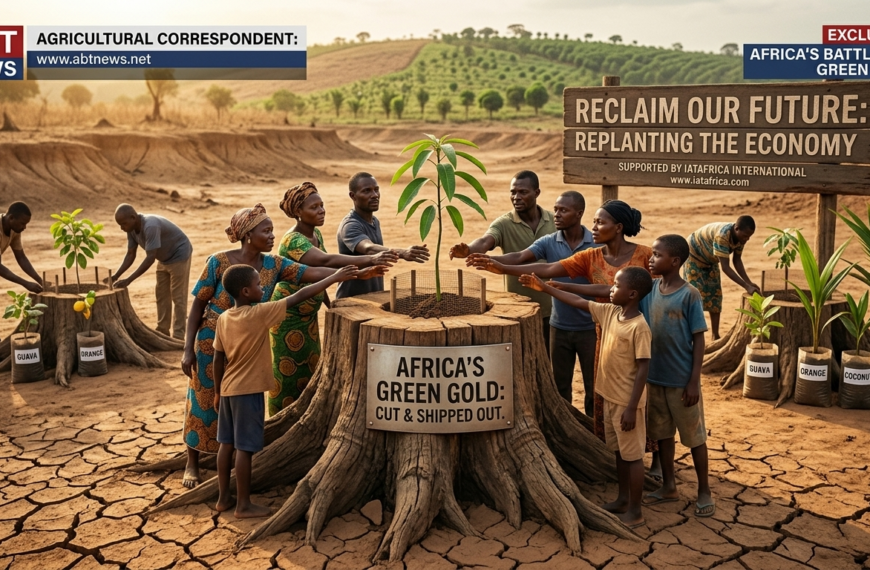
For decades, African nations have exported raw commodities only to have them priced and traded on foreign exchanges. Tinubu’s push directly challenges this status quo, emphasizing the urgent need to stop routing intra-African transactions through third-party platforms outside the continent.
According to market analysts, an African-led exchange would serve as a central, unified platform connecting buyers and sellers across the continent. This infrastructure would provide several immediate benefits to the African economy:
- Transparent Price Discovery: Local producers would no longer rely on external markets to determine the value of their goods, allowing prices to reflect actual continental supply and demand.
- Reduced Transaction Risks: A formalized exchange establishes standardized contracts and clearinghouses, greatly lowering the counterparty risks that currently hinder cross-border trade in Africa.
- Value Retention: By trading processed and raw goods locally, African countries can capture a significantly larger share of the value chain rather than losing margins to foreign intermediaries.
While the AfCFTA has successfully established the legal and policy frameworks for a single continental market, the physical and financial infrastructure needed to facilitate frictionless trade is still catching up. Experts view the proposed commodity exchange as a crucial stress test for the AfCFTA’s practical implementation.
If successful, the exchange would not only boost intra-African trade—which currently lags far behind other global regions—but also solidify Africa’s economic sovereignty. By keeping commodity wealth and trading revenues within its borders, the continent could take a massive leap toward self-reliance and unified economic power.
For more updates on African business and economic development, stay tuned to www.abtnews.net.


 By
By